How are Kitchen Wall Cabinets Hung: Expert Tips for Perfect Installation
Are you ready to transform your kitchen with perfectly hung wall cabinets? Picture this: a sleek, organized space where your essentials are within easy reach, and your kitchen looks like it belongs in a magazine.
Sounds appealing, right? But here’s the catch – improperly hung cabinets can turn that dream into a DIY disaster. You might wonder how professionals achieve that flawless finish. Well, you’re in the right place. We’ll unveil the secrets to hanging kitchen wall cabinets like a pro.
Stay with us, and you’ll soon have the confidence and know-how to tackle this task, ensuring your kitchen not only functions beautifully but also impresses every guest who walks through the door. Ready to get started? Let’s dive in!
Tools And Materials Needed
Before you start hanging your kitchen wall cabinets, gathering the right tools and materials is crucial. The right equipment not only makes the job easier but ensures your cabinets are secure and aligned perfectly. Missing even one key item can lead to frustration or a less-than-professional finish.
Essential Tools For Installation
Having a proper toolkit is the foundation of a smooth cabinet installation. You’ll need a drill with various drill bits for creating pilot holes and driving screws. A stud finder helps you locate the studs behind your wall, which are necessary for anchoring heavy cabinets safely.
Other must-haves include a level to keep your cabinets straight, a tape measure for precise spacing, and a pencil for marking drill points. Don’t forget clamps to hold cabinets in place while you fasten them. A screwdriver set, both manual and electric, can save time and effort during the process.
Choosing The Right Cabinets
Not all cabinets are created equal, and choosing the right type impacts how you install them. Consider the cabinet material; solid wood cabinets might require heavier-duty screws compared to particleboard. If you’re replacing old cabinets, check if the new ones match the existing wall anchors or if you’ll need new fasteners.
The size and weight of the cabinets dictate what kind of support you’ll need. For example, larger cabinets might require additional bracing. Think about the cabinet design too—some come with built-in hanging rails, which can simplify installation.
Wall Anchors And Fasteners
Wall anchors play a huge role in keeping your cabinets firmly attached, especially if you can’t secure them directly to studs. Toggle bolts and molly bolts are common choices for drywall, providing strong support without damaging the wall. Make sure you pick anchors rated for the cabinet weight.
Heavy-duty screws are essential for fastening cabinets to studs. Using the wrong size or type of fastener can result in wobbly or unsafe cabinets. Double-check the length and thickness of screws to ensure they penetrate deep enough into the studs for a solid hold.
Have you checked your tools and fasteners before starting your project? Spending a few minutes verifying you have everything can save hours later on. What’s one tool you think many people overlook but shouldn’t?

Credit: www.reddit.com
Preparing The Wall
Preparing the wall is a crucial step before hanging kitchen wall cabinets. A strong, flat surface ensures cabinets stay secure. This process involves finding support points, planning cabinet placement, and spotting any issues in the wall. Proper preparation saves time and effort later.
Locating Wall Studs
Wall studs provide the main support for your cabinets. Use a stud finder to locate these vertical beams behind the drywall. Mark each stud with a pencil. Studs usually sit 16 or 24 inches apart. Hanging cabinets on studs prevents damage and keeps them sturdy.
Marking The Layout
Plan where each cabinet will go on the wall. Use a pencil and a level to draw straight lines. Mark the top and bottom edges of the cabinets. Check measurements twice. Clear marks help guide you during installation and keep cabinets aligned.
Checking For Obstacles
Look for pipes, wires, or vents inside the wall. These can cause problems when drilling or mounting cabinets. Use a small inspection hole or a wall scanner to detect hidden obstacles. Adjust your cabinet placement if needed. Avoiding obstacles keeps installation safe and smooth.
Measuring And Leveling
Measuring and leveling are crucial steps in hanging kitchen wall cabinets. Accurate measurements ensure the cabinets fit well and look balanced. Leveling keeps everything straight and prevents doors from swinging open or closing on their own. Taking time here saves effort later.
Setting A Reference Line
Begin by marking a horizontal reference line on the wall. Use a pencil and a long level or laser level for accuracy. This line acts as a guide for the cabinet’s bottom edge. Place it at the height where you want the cabinets to hang. Double-check the line runs straight across the entire wall.
Ensuring Level Alignment
Check the wall studs with a stud finder and mark their positions. Cabinets must attach to these for secure support. Use a level to confirm the reference line is perfectly horizontal. Adjust marks if needed. Hold the cabinet against the wall and use a level on top and sides. This keeps the cabinet balanced and aligned with the reference line.
Measuring Cabinet Heights
Measure the height of each cabinet before hanging. Compare these to the reference line to ensure consistent spacing. Note any variations in wall surface or floor height. Adjust cabinet placement to maintain even gaps between cabinets and countertops. Use a tape measure and mark placement points on the wall. This prevents uneven installation and provides a polished look.

Credit: www.familyhandyman.com
Mounting The Cabinets
Mounting kitchen wall cabinets requires careful attention to ensure they stay secure and level. The process starts by hanging the first cabinet properly. This cabinet acts as a guide for all others. Each cabinet must align perfectly to create a smooth and functional kitchen setup. Proper fastening to the wall guarantees safety and durability.
Securing The First Cabinet
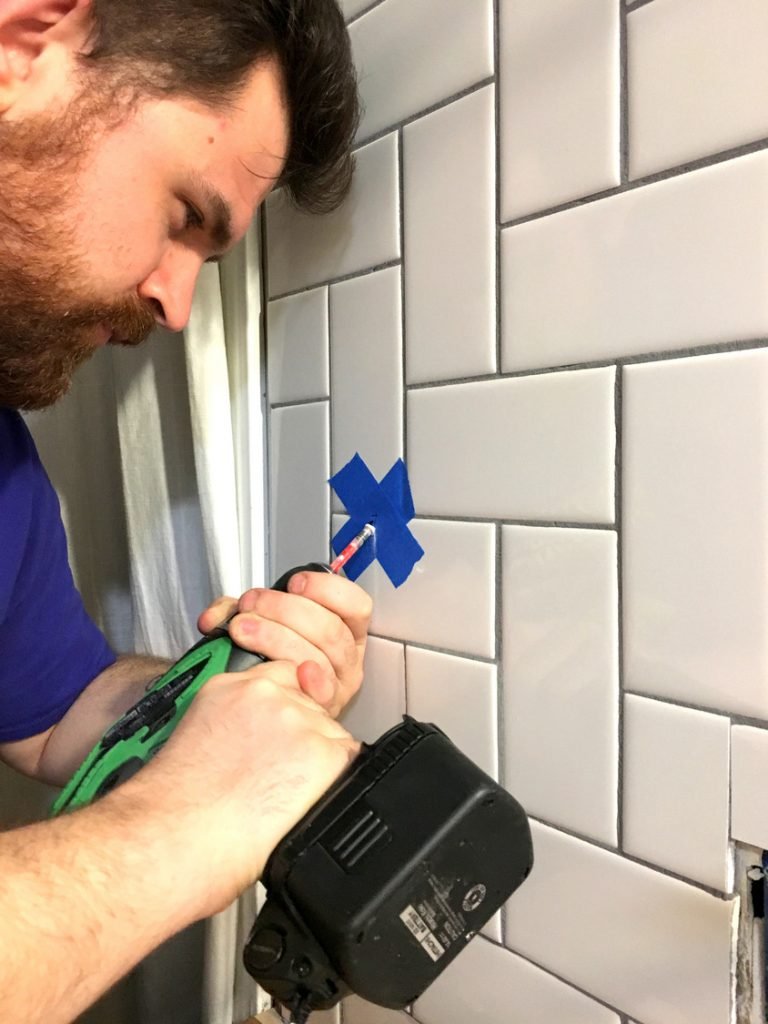
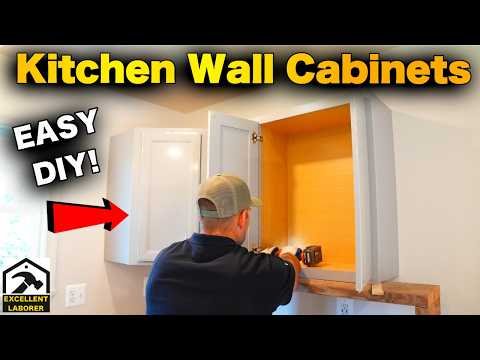
Begin by locating the wall studs using a stud finder. Mark these spots lightly with a pencil. Position the first cabinet against the wall, aligning it with the ceiling or countertop for level placement. Use a level tool to check its alignment both horizontally and vertically. Drill pilot holes through the cabinet back into the studs. Secure the cabinet using strong screws designed for wood or drywall. Double-check the cabinet remains steady and level before moving on.
Aligning Additional Cabinets
Place the next cabinet beside the first one, ensuring the edges meet flush. Use clamps to hold the two cabinets tightly together. Check the height and level of the new cabinet compared to the first. Adjust as needed to keep a straight line. Screw the cabinets together through the side panels using cabinet screws. This step creates a uniform look and adds stability to the whole cabinet row.
Fastening Cabinets To The Wall
For each cabinet, find the wall studs behind the cabinet back. Drill pilot holes through the cabinet and into the studs. Use long wood screws to anchor the cabinet firmly. Avoid using drywall anchors as they offer less support. Tighten screws enough to hold the cabinet snugly without warping it. After all cabinets are fastened, check one more time for level and alignment across the entire wall.
Final Adjustments
Final adjustments are crucial to ensuring your kitchen wall cabinets look professional and function smoothly. After hanging the cabinets, small tweaks can make a big difference in appearance and usability. Taking time at this stage helps avoid problems like misaligned doors or hardware that doesn’t work properly.
Checking Door Alignment
Check each cabinet door to make sure it lines up evenly with the cabinet frame and neighboring doors. If doors are crooked or uneven, use a screwdriver to adjust the hinges slightly. Small shifts can improve the look and prevent doors from rubbing against each other.
Look closely for gaps or overlaps between doors. You might need to adjust the height or depth by loosening screws and repositioning the doors. This step ensures your cabinets not only look great but also close properly without sticking.
Installing Hardware
Attach handles or knobs after door alignment is perfect. Make sure the hardware is level and positioned consistently across all cabinets. Measure twice before drilling to avoid mistakes that can be hard to fix later.
Consider the style and size of the hardware to match your kitchen’s design. Hardware installation is a small detail that can dramatically change your cabinet’s appearance. Don’t rush this step—careful placement shows attention to detail.
Sealing And Finishing Touches
Seal any gaps between the cabinets and walls with caulk to keep moisture out and create a clean look. Choose a caulk color that matches your paint or cabinet finish for a seamless appearance. This also helps prevent dust and insects from sneaking in behind the cabinets.
Finally, wipe down all surfaces to remove dust and fingerprints. Check for any touch-ups needed on paint or finish. These finishing touches complete the installation and make your kitchen feel fresh and polished.
Common Mistakes To Avoid
Hanging kitchen wall cabinets might seem straightforward, but small mistakes can lead to big headaches. Avoiding common errors saves time, effort, and money. Understanding what not to do will help your cabinets stay secure and look great for years.
Ignoring Wall Studs
Wall studs are your cabinets’ best friends. Screwing directly into drywall won’t hold the weight and can cause cabinets to fall. Always use a stud finder to locate and mark studs before you start drilling.
Think about this: have you ever seen a cabinet sag or come loose? Most likely, it wasn’t anchored properly. Securing cabinets to studs ensures stability and safety in your kitchen.
Skipping Level Checks
Skipping the level check might seem like a time-saver, but it’s a costly mistake. Uneven cabinets not only look bad but can also cause doors and drawers to malfunction. Use a reliable level after hanging each cabinet to keep everything perfectly aligned.
Imagine opening a cabinet door that swings open on its own or drawers that slide shut. Are you willing to fix that frustration later? Taking a few extra minutes now prevents these issues.
Overtightening Screws
It’s tempting to tighten screws as much as possible for security. However, overtightening can strip the screws or damage the cabinet material. Tighten screws firmly but stop when you feel resistance to avoid weakening the hold.
If you’ve ever had a screw spin endlessly without gripping, you know how frustrating that is. Proper screw tension keeps your cabinets secure and saves you from extra repairs.
Expert Tips For Efficiency
Hanging kitchen wall cabinets requires careful planning and precise execution. Efficiency makes the task smoother and safer. Using expert tips speeds up the process and avoids common mistakes. Focus on teamwork, tools, and layout to improve your workflow.
Working With A Helper
Having a helper makes cabinet installation faster and safer. One person holds the cabinet steady. The other secures it to the wall. This teamwork prevents damage and ensures the cabinet stays level. Communication is key. Agree on signals before starting. This avoids confusion during lifting and fixing.
Using Jigs And Supports
Jigs and supports keep cabinets steady during installation. Use a cabinet jack or a sturdy brace to hold the cabinet in place. A jig helps align the cabinet perfectly with the wall. This reduces the need to adjust screws repeatedly. It saves time and prevents errors. Secure the jig tightly before drilling or screwing.
Planning Cabinet Layout
Plan the cabinet layout before you start hanging them. Mark studs on the wall for strong support. Measure cabinet heights and widths carefully. Sketch the arrangement on paper or use design software. This helps visualize spacing and alignment. Double-check measurements to avoid gaps or overlaps. Proper planning ensures a smooth, efficient installation process.

Credit: www.cabinetjoint.com
Frequently Asked Questions
How Do You Hang Kitchen Wall Cabinets Safely?
To hang kitchen wall cabinets safely, locate wall studs first. Use a level to align cabinets. Secure cabinets with screws into studs. Always have a helper to hold cabinets in place. This ensures stability and prevents accidents during installation.
What Tools Are Needed To Hang Kitchen Wall Cabinets?
You need a drill, level, stud finder, screwdriver, measuring tape, and screws. These tools help locate studs, align cabinets, and secure them properly. Having the right tools ensures precise and safe cabinet installation.
How High Should Kitchen Wall Cabinets Be Hung?
Kitchen wall cabinets are typically hung 18 inches above the countertop. This height allows enough workspace and accessibility. It also aligns well with standard kitchen designs and provides a balanced look.
Can I Hang Kitchen Cabinets On Drywall Only?
No, kitchen cabinets must be hung on wall studs, not just drywall. Drywall alone cannot support the cabinet’s weight. Anchoring into studs ensures the cabinets are secure and safe for use.
Conclusion
Hanging kitchen wall cabinets takes care and the right steps. Start by finding the studs in your wall for strong support. Use a level to keep cabinets straight and aligned. Secure the cabinets with proper screws to avoid accidents. Take your time and double-check measurements before drilling.
A well-hung cabinet improves kitchen look and function. You can handle this project with patience and basic tools. Now, your kitchen walls will hold cabinets safely and neatly. Simple steps lead to great results.