What Can I Use to Get Grease off Kitchen Walls: Easy & Effective Tips
Are you tired of staring at those stubborn grease stains on your kitchen walls? You’re not alone.
Grease has a sneaky way of splattering onto surfaces, leaving you wondering how to tackle it without a major headache. But don’t worry, we’ve got the answers you need. We’ll explore effective solutions to make your kitchen walls look spotless again.
Imagine the satisfaction of a clean, fresh kitchen, where your walls shine as brightly as your culinary creations. Keep reading, because the secret to transforming your kitchen space is just a few paragraphs away.

Credit: www.amazon.com
Common Causes Of Grease Buildup
Grease buildup on kitchen walls can be frustrating and tough to remove. Understanding why it happens can help you tackle the problem more effectively. It’s not just about cooking spills; several everyday habits and kitchen setups contribute to that sticky layer on your walls.
Cooking Without Proper Ventilation
When you cook, especially frying or sautéing, grease particles become airborne. Without a good exhaust fan or open windows, these particles settle on nearby walls. Have you noticed how walls near your stove get greasy faster? This is often due to poor ventilation trapping the grease in the air.
Using Oil Generously
Cooking with a lot of oil increases the amount of grease released. The more oil you use, the more droplets float in the air and stick to surfaces. Even baking with butter or greasy sauces can leave residue on your walls over time.
Proximity Of Cooking Area To Walls
Is your stove or cooking surface close to the wall? When cooking happens right next to a wall, grease has less space to disperse. This leads to quicker buildup and makes cleaning more challenging. Think about your kitchen layout—sometimes moving appliances can reduce grease accumulation.
Infrequent Cleaning Habits
Grease doesn’t disappear on its own; it needs regular cleaning. If you delay wiping down your walls, grease hardens and becomes sticky. Consistent cleaning after cooking can prevent thick buildup and keep your kitchen fresh.
Choosing The Right Cleaning Supplies
Choosing the right cleaning supplies makes a big difference in removing grease from kitchen walls. The right products can clean effectively without damaging paint or wallpaper. Some cleaners work better on fresh grease, while others handle old, stubborn stains.
Consider the type of wall surface before selecting your cleaner. Also, think about safety, especially if children or pets are nearby. Below are common cleaning options to consider for your kitchen walls.
Natural Cleaners
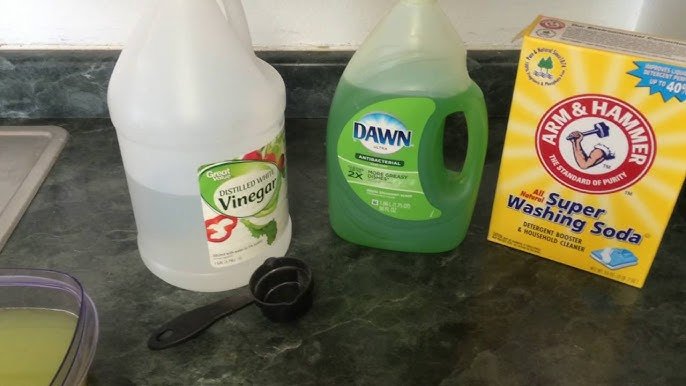
Natural cleaners use ingredients from nature to break down grease. They are gentle on surfaces and safer for the environment. Lemon juice and vinegar are popular choices because they cut grease well.
- Lemon juice has natural acids that dissolve oils.
- White vinegar is effective and kills some bacteria.
- Baking soda can scrub off greasy spots without scratching.
These cleaners often need some scrubbing but leave no harsh chemical residue.
Commercial Degreasers
Commercial degreasers are made specifically for tough kitchen grease. They work fast and require less effort. Some products come in spray bottles for easy use.
- Look for products labeled safe for painted walls.
- Check ingredients to avoid harsh chemicals like ammonia if sensitive.
- Test on a small area before full use to prevent damage.
These degreasers are strong but should be used with gloves and ventilation.
Household Ingredients
Common household items can also help remove grease with no extra cost. Mixing simple ingredients creates a powerful cleaner.
- Dish soap breaks down grease effectively on walls.
- Baking soda and water make a mild abrasive paste.
- Mix vinegar and water for a gentle spray cleaner.
These mixtures are easy to make and safe for most surfaces.
Step-by-step Cleaning Methods
Cleaning grease off kitchen walls requires patience and the right approach. Follow clear steps to remove stubborn stains effectively. Use simple tools and safe cleaning agents. This ensures your kitchen stays fresh and spotless without damage.
Preparation And Safety Tips
- Wear rubber gloves to protect your hands.
- Open windows for good ventilation.
- Remove any nearby items to avoid splashes.
- Use old towels or cloths to catch drips.
- Test cleaning solutions on a small wall area first.
Using Vinegar And Baking Soda
Mix equal parts of white vinegar and warm water in a spray bottle. Spray the solution on the greasy areas and let it sit for 10 minutes. Sprinkle baking soda on a damp sponge. Gently scrub the wall in circular motions. Wipe with a clean, damp cloth to remove residue. Repeat if needed for tough stains.
Applying Dish Soap Solutions
Fill a bucket with warm water and add a few drops of liquid dish soap. Dip a soft cloth or sponge into the soapy water and wring out excess liquid. Rub the greasy spots gently on the wall. Rinse the cloth often and continue cleaning. Use a clean damp cloth afterward to wipe off any soap.
Using Commercial Grease Removers
Choose a grease remover suitable for painted surfaces. Follow the instructions on the product label carefully. Apply the cleaner directly to the grease spots or onto a cloth. Let it work for the recommended time. Wipe the wall with a clean cloth to remove the grease and cleaner. Avoid harsh scrubbing to protect the paint.

Credit: www.amazon.com
Preventing Future Grease Stains
Grease stains on kitchen walls can be stubborn and frustrating. Preventing them from building up saves you time and effort later. By adopting simple habits and making a few changes, you can keep your kitchen walls looking fresh and clean for longer.
Regular Cleaning Habits
Cleaning your kitchen walls regularly is key to stopping grease from settling in. Wiping down walls with a mild detergent after cooking helps catch grease before it hardens.
Try setting a schedule—clean walls at least once a week or immediately after frying or grilling. This small habit can save you from scrubbing tough stains later.
Installing Protective Barriers
Have you considered adding a backsplash or protective panel behind your stove? Materials like glass, stainless steel, or tile are easy to clean and block grease from reaching your walls.
These barriers not only protect but also add style to your kitchen. It’s a practical upgrade that pays off every time you cook.
Improving Kitchen Ventilation
Good ventilation reduces grease build-up by removing airborne oils and smoke quickly. Installing a powerful range hood or exhaust fan makes a noticeable difference.
Think about how often you open windows or use fans during cooking. Increasing airflow can keep your walls cleaner and improve your kitchen’s air quality.
Troubleshooting Stubborn Grease
Stubborn grease on kitchen walls can be frustrating. Sometimes, even the best cleaners don’t fully remove those greasy spots. Understanding how to troubleshoot these tough stains helps you get your walls looking fresh without extra hassle.
When To Repeat Cleaning
Grease can be thick and sticky, so a single wipe might not do the job. If you still see residue after the first cleaning, don’t hesitate to repeat the process. Wait a few minutes between attempts to let the cleaner break down the grease more effectively.
Persistent stains may need multiple rounds, especially in areas near the stove or exhaust. Keep an eye on how the wall responds to each cleaning. If you notice the grease softening or lightening, you’re on the right track.
Avoiding Wall Damage
It’s tempting to scrub hard, but too much force can damage your paint or wallpaper. Use a soft cloth or sponge instead of abrasive scrubbers. Test your cleaning solution on a small hidden patch before tackling the whole wall.
Harsh chemicals can strip paint or leave discoloration. Choose gentle, kitchen-safe degreasers or homemade mixtures like diluted vinegar or baking soda paste. Protect your walls by avoiding soaking them with excess water, which can cause peeling or warping.
Credit: www.realhomes.com
Frequently Asked Questions
What Household Items Remove Grease From Kitchen Walls?
Common items like baking soda, vinegar, and dish soap effectively remove kitchen wall grease. Mix them with warm water to create a gentle, natural cleaner.
Can Vinegar Clean Greasy Kitchen Walls Safely?
Yes, vinegar is a safe and natural degreaser. It breaks down grease without harsh chemicals, making it perfect for painted or tiled kitchen walls.
How To Use Baking Soda For Kitchen Wall Grease?
Make a paste with baking soda and water. Apply it on greasy spots, let it sit for 10 minutes, then scrub gently with a sponge.
Is Dish Soap Effective Against Kitchen Wall Grease?
Dish soap cuts through grease efficiently. Dilute it in warm water, apply with a sponge, and rinse for clean, grease-free kitchen walls.
Conclusion
Grease on kitchen walls can be tough to remove. Use common household cleaners like vinegar or baking soda. These options work well and are safe for most surfaces. Always test a small spot first to avoid damage. Regular cleaning helps keep grease from building up.
Clean walls make your kitchen look fresh and bright. Try these simple methods to keep your kitchen walls clean and grease-free.