How High to Install Kitchen Wall Cabinets: Expert Tips & Tricks
Are you planning a kitchen renovation or setting up a brand-new cooking space? One of the crucial decisions you’ll face is determining the right height for your kitchen wall cabinets.
Getting this detail right can make a big difference in both the functionality and aesthetic appeal of your kitchen. Imagine reaching for your favorite mug or that special spice without a hassle. Sounds convenient, right? With just a few key insights, you can transform your kitchen into an efficient and stylish hub that perfectly suits your needs.
Let’s dive into the specifics that will empower you to make the best choice for your kitchen cabinets. Your dream kitchen is just a few steps away!
Standard Cabinet Height
Understanding the standard height for kitchen wall cabinets is key to creating a functional and comfortable cooking space. Setting them too high can make accessing your dishes a challenge, while installing them too low can crowd your countertop workspace. Getting the height right ensures ease of use and a balanced kitchen design.
Typical Measurements
Most kitchen wall cabinets are installed with the bottom edge positioned about 18 inches above the countertop. This distance offers enough space for appliances, food prep, and cleaning tasks. The cabinets themselves usually range in height from 30 to 42 inches, depending on your ceiling height and storage needs.
For example, if your ceiling is 8 feet tall, a 30-inch cabinet often works best. Taller ceilings may call for 36 or 42-inch cabinets to fill the vertical space without leaving awkward gaps. Have you measured your space carefully to decide which cabinet height fits your kitchen’s layout?
Common Installation Practices
Installers often follow the 18-inch clearance rule because it balances accessibility and countertop space. However, some homeowners prefer to adjust this height slightly based on personal comfort or kitchen design. For instance, taller users might raise the cabinets a few inches to avoid bending, while shorter users might lower them for easier reach.
Many kitchens also maintain a consistent cabinet height throughout to keep the design uniform. But mixing cabinet heights can add character, like using taller cabinets above the fridge for extra storage. When you’re planning your install, think about who will use the kitchen most and what feels natural for you.

Credit: www.thisoldhouse.com
Factors Affecting Height
Choosing the right height for kitchen wall cabinets depends on several important factors. These factors ensure the cabinets fit well and are comfortable to use. Understanding these elements helps create a functional and stylish kitchen space.
Ceiling Height
The height of the kitchen ceiling affects cabinet placement. Taller ceilings allow for higher cabinets or extra storage above. Lower ceilings limit how high cabinets can be installed. Measure ceiling height carefully to plan cabinet size and spacing.
Countertop Thickness
Countertop thickness changes the space between the counter and cabinets. Thicker countertops reduce the gap, affecting cabinet height. Standard cabinet height is usually set for typical countertop thickness. Adjust cabinet height to match your countertop for balance and ease.
User Height And Reach
User height influences how high cabinets should be placed. Cabinets too high become hard to reach and use. Cabinets too low might reduce workspace comfort. Consider the height of the main kitchen users. Installing cabinets at a reachable height improves kitchen efficiency and safety.
Optimal Clearance Space
Finding the right clearance space when installing kitchen wall cabinets is essential for both functionality and comfort. Too little space can make your kitchen feel cramped and limit your movement, while too much space wastes valuable storage. Let’s look closely at where you should focus your measurements to get the best fit.
Between Countertop And Cabinets
The space between your countertop and the bottom of the wall cabinets is critical. Most experts recommend a clearance of 18 to 20 inches. This gap provides enough room for meal prep and small appliances like toasters or mixers without feeling crowded.
Think about the height of the appliances or tools you use daily. If your blender is tall, you might want to lean toward the higher end of that range. Have you measured your most-used countertop items? Adjusting the space to fit them can save you from awkward lifting and rearranging later.
Above Appliances
When installing cabinets above appliances like stoves or refrigerators, clearance requirements can vary. For stoves, a minimum of 30 inches from the cooktop to the bottom of the cabinet is usually needed to prevent heat damage and allow for ventilation. For refrigerators, you need enough room to open doors fully and avoid hitting the cabinets.
Consider your specific appliances’ dimensions and manufacturer recommendations. You don’t want to end up with cabinets that block access or risk damage from heat and steam. Have you checked the user manuals for your appliances? These often include clearance guidelines that can save you trouble.

Credit: www.familyhandyman.com
Adjusting For Style And Function
Adjusting the height of your kitchen wall cabinets goes beyond just measurements. It’s about matching your style and making daily use easier. Finding the right balance helps your kitchen feel both beautiful and practical.
Open Shelving Integration
Mixing open shelves with wall cabinets can change how you set cabinet height. Open shelves often sit lower to keep items within easy reach and create a casual look. Placing cabinets slightly higher allows more space for these shelves, giving your kitchen a layered feel.
Think about what you want to display on the shelves—cookbooks, plants, or frequently used dishes. This can help decide the exact height difference between shelves and cabinets. Have you ever struggled to reach something on a high shelf? Adjusting heights can fix that.
Incorporating Lighting
Lighting under or inside cabinets can influence their height too. If you plan to add under-cabinet lights, leaving a small gap between the countertop and cabinets helps light spread evenly. For internal cabinet lighting, consider door height and space to avoid shadows inside.
Lighting not only brightens your workspace but also highlights your kitchen’s design. Think about where you want light to fall and adjust cabinet height to complement that. Could better lighting make your kitchen more inviting?
Storage Accessibility
Your cabinet height should match how you use your kitchen items daily. Taller cabinets might look impressive but can make reaching everyday items tough. Setting cabinets at a comfortable height keeps things handy and reduces the need for stools or stretching.
Consider who uses the kitchen most. If you’re shorter or have children, lower cabinets make sense. You want to avoid the frustration of climbing to grab a spice jar or plate. What small changes could make your kitchen easier to use every day?
Tools And Techniques
Installing kitchen wall cabinets at the right height demands more than just eyeing it up. You need the right tools and techniques to ensure your cabinets are secure, level, and perfectly positioned. Precision in measuring, leveling, and fastening can save you hours of frustration and keep your kitchen looking sharp.
Measuring Accurately
Accurate measurements are the foundation of a successful installation. Use a reliable tape measure and mark your wall with a pencil where the top and bottom of the cabinets will sit.
Don’t just measure once—double-check your marks. Measuring multiple points along the wall helps avoid surprises caused by uneven surfaces or framing variations.
Have you ever installed something only to realize it was off by a few inches? Taking your time here means your cabinets will fit perfectly without gaps or awkward heights.
Leveling Cabinets
Even a slight tilt in your cabinets can throw off the entire kitchen’s look. A spirit level or laser level is essential for this step.
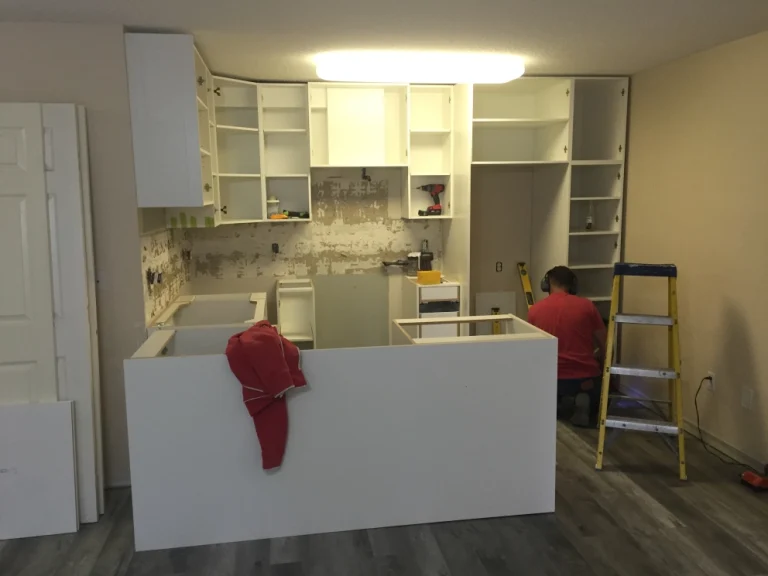
Place the level on top of the cabinets as you install them. Adjust the cabinets using shims under the base until they are perfectly horizontal.
Keep in mind, walls aren’t always perfectly straight. Leveling ensures your cabinets don’t look crooked and that doors and drawers open smoothly.
Securing To Walls
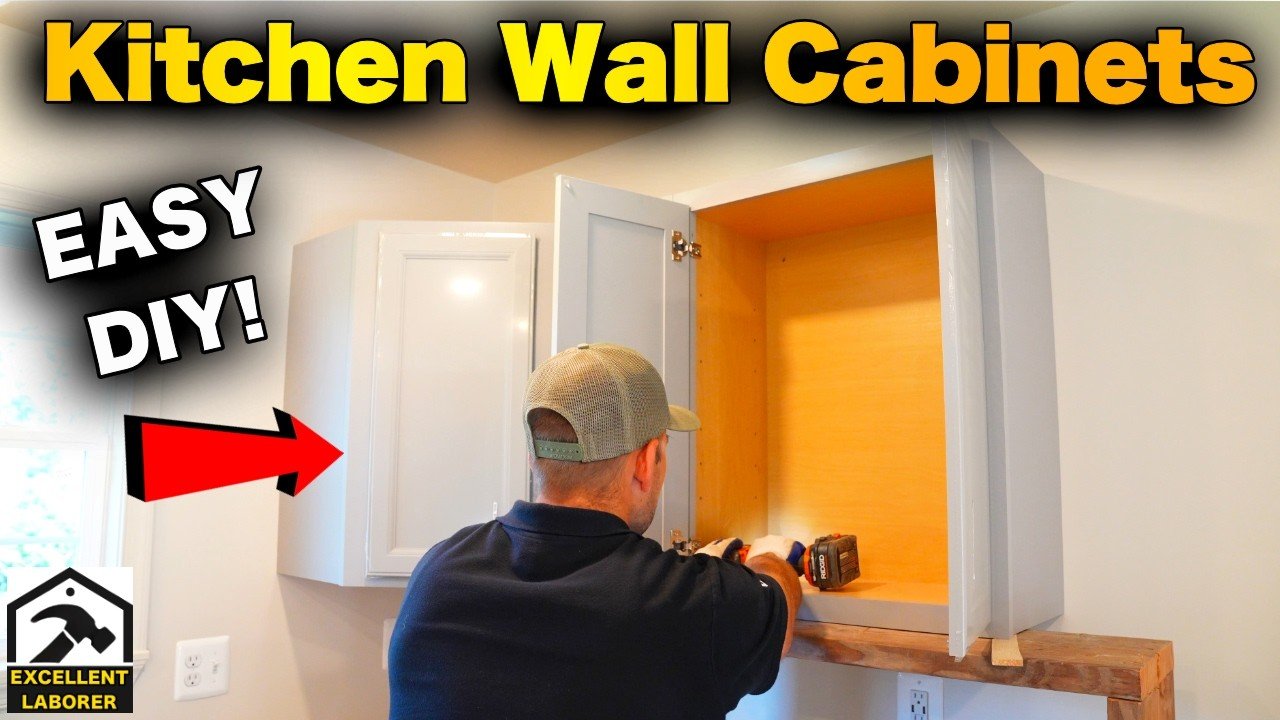
Once your cabinets are measured and leveled, securing them properly is critical for safety and durability. Use a stud finder to locate wall studs—it’s where the screws will hold best.
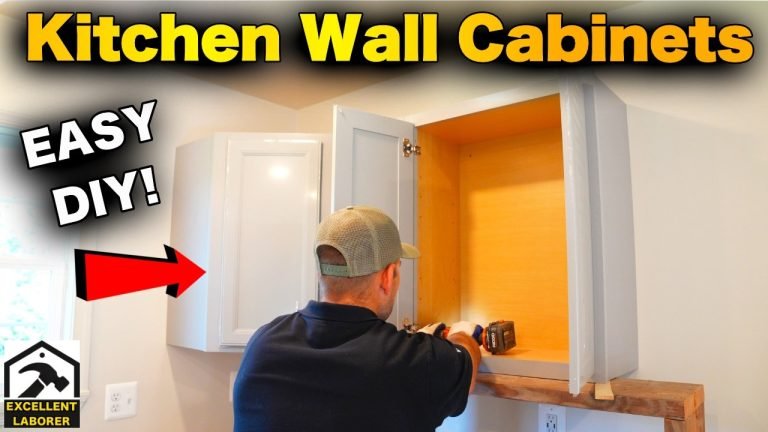
Heavy-duty screws and a power drill will make the job easier. Screw through the cabinet’s back panel directly into the studs.
Consider the weight of your cabinets and contents—will a few screws hold them safely? Adding extra screws where possible can prevent future sagging or accidents.

Credit: www.create-enjoy.com
Common Mistakes To Avoid
Installing kitchen wall cabinets might seem straightforward, but many homeowners end up making avoidable mistakes. These errors can affect both the look and functionality of your kitchen. Knowing what to watch out for helps you install cabinets that fit perfectly and last longer.
Too High Or Too Low Placement
Placing cabinets too high can make it hard to reach everyday items, causing frustration every time you cook. On the other hand, setting them too low might crowd your countertop space and limit your workspace. Think about your height and how you use your kitchen before deciding the height—can you comfortably reach the top shelves without a step stool?
Ignoring Wall Studs
Wall studs are the backbone of your cabinets’ support. Skipping this step and attaching cabinets only to drywall can lead to sagging or even falling cabinets. Use a stud finder to locate these strong points before drilling. Have you checked if your studs align with where you want your cabinets?
Overlooking Ventilation Needs
Ventilation is often forgotten during cabinet installation, especially near cooking areas. Without proper airflow, moisture and heat can damage your cabinets over time. Make sure to leave enough space around vents and range hoods. How will you ensure your cabinets don’t block or trap heat and steam?
Custom Cabinet Considerations
Custom cabinet considerations are essential when deciding how high to install your kitchen wall cabinets. Every kitchen space is unique, and your cabinets should fit both the room and your lifestyle. Thoughtful adjustments can make your kitchen more functional and comfortable.
Tailoring Height To Space
Think about the size of your kitchen and the ceiling height. If you have a lower ceiling, installing cabinets too high can make the space feel cramped. Conversely, in a kitchen with high ceilings, raising cabinets can add a sense of openness and extra storage.
Measure the distance between your countertop and ceiling before setting cabinet height. This ensures you won’t leave awkward gaps or lose valuable storage space. Have you checked how much room you really need above your countertop for easy access and cleaning?
Matching Kitchen Design
Your cabinet height should complement the overall kitchen style. For example, traditional kitchens often feature cabinets installed closer to the ceiling for a classic look. Modern kitchens might use shorter wall cabinets to maintain a sleek, minimal vibe.
Consider how your cabinet height pairs with other elements like lighting fixtures and backsplash design. A well-matched height creates a seamless, balanced appearance. What design elements in your kitchen can guide your cabinet placement?
Ergonomic Adjustments
Focus on who will be using the kitchen most. Taller individuals may prefer cabinets mounted higher to avoid bending, while shorter users benefit from lower placement for easy reach. Adjusting height for comfort can prevent strain and make cooking more enjoyable.
Don’t forget about accessibility for kids or anyone with mobility challenges. Adding step stools or pull-down shelves can help, but starting with a smart height reduces the need for extra solutions. How comfortable are you reaching your current cabinets every day?
Frequently Asked Questions
How High Should Kitchen Wall Cabinets Be Installed?
Kitchen wall cabinets are typically installed 18 inches above the countertop. This height allows enough workspace and easy access. It balances functionality and aesthetics, ensuring cabinets are neither too high nor too low for most users.
What Is The Standard Height For Kitchen Cabinets?
The standard height for wall cabinets is 54 inches from the floor. Base cabinets are usually 34. 5 inches tall, plus a 1. 5-inch countertop. This setup provides a comfortable working height for most people in the kitchen.
Can I Install Kitchen Cabinets Higher Than Standard?
Yes, you can install cabinets higher for a custom look. Just ensure you maintain at least 15-18 inches above the countertop for usability. Higher cabinets might need a step stool for access but offer extra storage space.
How Does Ceiling Height Affect Cabinet Installation?
Ceiling height impacts cabinet size and placement. For taller ceilings, you can install cabinets closer to the ceiling for more storage. Lower ceilings require standard cabinet heights to avoid crowding and maintain a balanced kitchen design.
Conclusion
Choosing the right height for kitchen wall cabinets makes a big difference. It helps keep your kitchen neat and easy to use. Most people install cabinets about 54 inches from the floor. This height fits well for most adults and leaves space for the countertop.
Remember to think about your kitchen size and your needs. Measure carefully before you start. A good fit means your kitchen looks nice and works well every day. Simple steps bring great results.