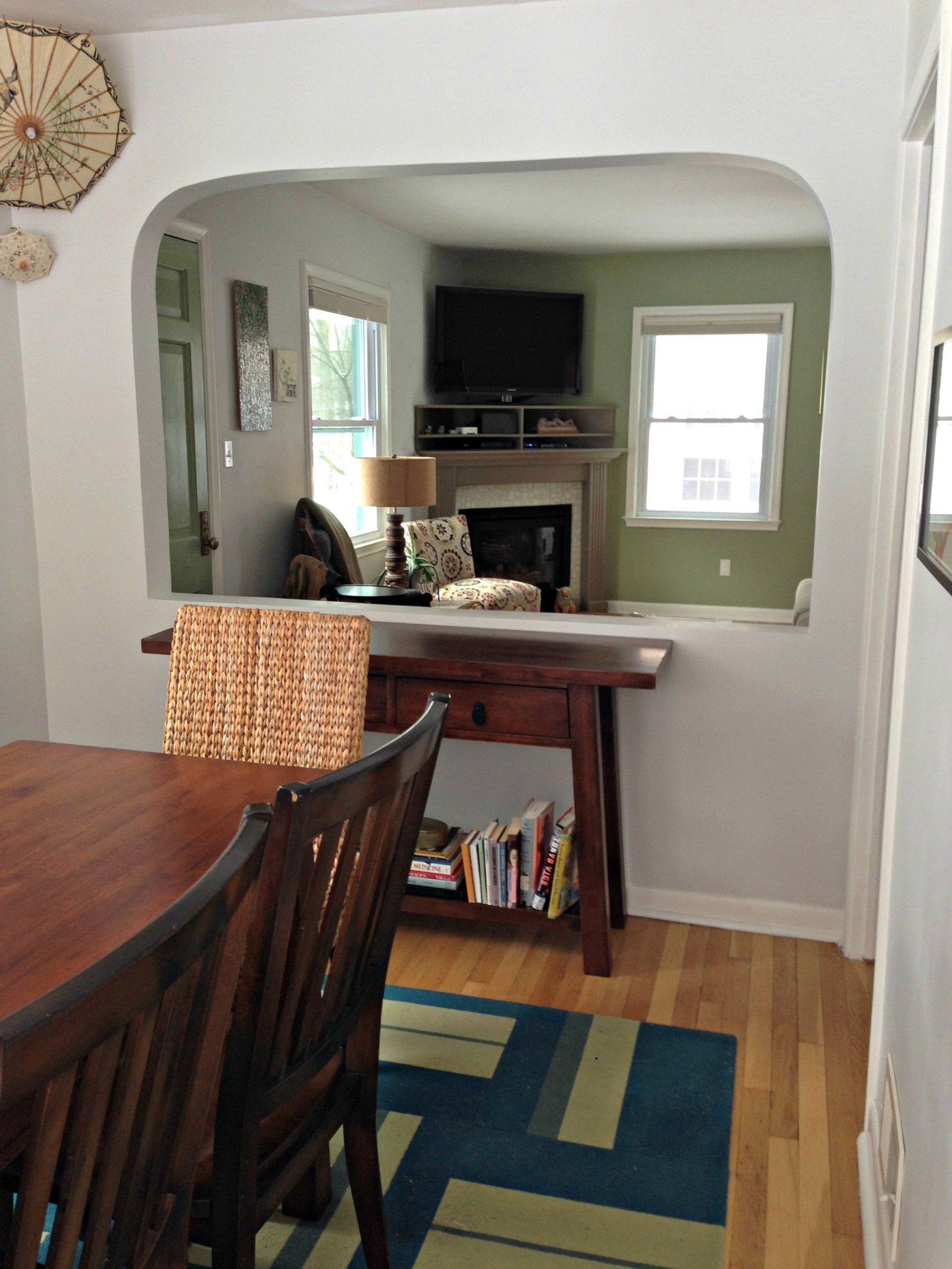
How to Remove Wall between Kitchen And Living Room: Easy Steps Revealed
Are you dreaming of a more open and airy home? The idea of removing the wall between your kitchen and living room might be the perfect solution.
This change can transform your space, making it more inviting and ideal for gatherings. Imagine cooking while chatting with family or friends without any barriers. But before you grab that sledgehammer, there are crucial steps to consider to ensure safety and success.
In this guide, you’ll learn everything you need to know about taking down that wall, from assessing structural concerns to finding the perfect design for your open space. Keep reading to discover how to make your dream home a reality!
Assess The Wall
Before you start knocking down the wall between your kitchen and living room, it’s crucial to carefully assess the wall. This step isn’t just about safety—it can also save you from costly mistakes and unexpected repairs. Understanding what’s inside the wall helps you plan the project more effectively and avoid disrupting important structures or systems.
Check If Wall Is Load-bearing
One of the first things you need to find out is whether the wall supports your home’s structure. Load-bearing walls carry the weight of floors and roofs above them. Removing one without proper support can cause serious damage.
You can start by looking at your home’s blueprints or asking a professional to inspect the wall. Walls that run perpendicular to floor joists are often load-bearing. If you’re unsure, it’s safer to consult a structural engineer before proceeding.
Locate Electrical And Plumbing Lines
Walls often hide electrical wires, outlets, switches, and plumbing pipes. Removing a wall without identifying these can lead to dangerous accidents or expensive repairs. You want to avoid cutting through live wires or water pipes.
Use a stud finder with wire detection or an electrical circuit tester to locate live wires. Don’t forget to check for plumbing, especially if the wall is near the kitchen or bathroom. If you find any, plan how to reroute them safely with a licensed electrician or plumber.
Gather Necessary Permits
Removing a wall between your kitchen and living room can dramatically open up your space, but before you grab a sledgehammer, there’s an important step you can’t skip: gathering the necessary permits. Skipping permits can lead to costly fines or having to undo your hard work. Getting the right approvals ensures your project is safe, legal, and up to code.
Consult Local Building Codes
Start by checking your city or county’s building codes. These rules tell you what’s allowed in your area, especially regarding structural changes like wall removal.
Contact your local building department or visit their website. They often have detailed guides and checklists to help you understand requirements.
Ask yourself: Is the wall load-bearing? Are there electrical wires or plumbing inside? These details affect what permits you’ll need and how the job should be done.
Apply For Demolition Permits
Once you understand the codes, apply for a demolition permit. This official document gives you permission to remove the wall legally.
Gather necessary documents such as your floor plans and any engineer’s reports, if applicable. Submitting a complete application speeds up approval.
Remember, the permit process can take days or weeks. Planning ahead helps you avoid unexpected delays that can stall your renovation timeline.
Prepare The Area
Preparing the area before removing a wall between your kitchen and living room is crucial. It sets the stage for a smooth and safe demolition process. Taking the time to clear and protect your space not only prevents damage but also keeps the project organized and efficient.
Clear Furniture And Cover Floors
Start by moving all furniture out of the work zone. This gives you room to work and protects your belongings from dust and accidental damage.
Next, cover your floors with durable drop cloths or plastic sheeting. Pay special attention to high-traffic areas to avoid scratches and spills. You might be surprised how much dust and debris can scatter during demolition, so better safe than sorry.
Turn Off Utilities
Before you touch the wall, make sure to turn off all related utilities. This includes electricity, water, and gas lines that might run through the wall.
Check your circuit breaker to cut power to the area and shut off water valves if plumbing is involved. If you’re unsure about hidden wiring or pipes, consulting a professional can prevent costly mistakes or dangerous accidents.

Credit: www.reddit.com
Remove Fixtures And Trim
Removing fixtures and trim is a key part of opening up the space between your kitchen and living room. This step clears the area so you can safely take down the wall. It also helps protect your cabinets, shelves, and baseboards from damage during demolition.
Careful removal makes the next steps easier and keeps the room tidy. Take your time to avoid unnecessary repairs later. Here are the main fixtures and trim pieces to focus on.
Take Down Cabinets And Shelves
Start by emptying all cabinets and shelves to lighten the load. Use a drill or screwdriver to remove screws holding them in place. Gently pull shelves out to avoid breaking them. Label each piece to remember where it goes later. Set cabinets and shelves aside in a safe spot.
Be cautious around plumbing or electrical lines behind the cabinets. Check for hidden nails or anchors before pulling them out. Removing these fixtures clears the wall fully for demolition.
Remove Baseboards And Moldings
Use a pry bar and hammer to carefully lift baseboards and moldings away from the wall. Start at one end and work slowly to avoid cracking the wood. Place a thin piece of wood behind the pry bar to protect the wall surface.
Keep baseboards and moldings intact if you plan to reuse them. Remove any nails sticking out to prevent injuries. Removing trim creates a clean edge along the floor and ceiling, ready for new finishes.
Demolish The Wall
Removing a wall between the kitchen and living room opens up space and brings in more light. Demolishing the wall needs careful work to avoid damage. Follow these steps to take down the wall safely and cleanly.
Cut Drywall Carefully
Start by cutting the drywall along the edges of the wall. Use a utility knife to score the surface deeply. Cut slowly to avoid damaging wires or pipes inside. Remove the drywall pieces gently to expose the framing behind. Wear safety goggles and a dust mask during this process.
Remove Studs And Debris
After the drywall is gone, the wooden studs will show. Unscrew or pry the studs away from the floor and ceiling. Use a hammer and crowbar for stubborn nails. Clear all wood, nails, and drywall pieces from the area. Dispose of debris properly to keep the workspace safe and clean.

Credit: www.reddit.com
Address Structural Support
Removing a wall between the kitchen and living room requires careful attention to structural support. This step ensures your home stays safe and stable during and after the removal. Walls often carry the weight of the floors or roof above. Removing them without proper support can cause serious damage.
Proper support means installing a beam or header where the wall once stood. This beam will carry the load the wall used to hold. It keeps the ceiling and upper floors secure.
Install Beam Or Header If Needed
Check if the wall is load-bearing. Load-bearing walls support weight from above. If yes, a beam or header must replace the wall’s support.
Choose a strong material like steel or engineered wood for the beam. The beam size depends on the weight it must hold. Proper installation is key to prevent sagging or collapse.
Secure the beam with strong posts or columns at each end. These posts transfer weight down to the foundation. Use metal connectors and braces for added strength.
Consult A Structural Engineer
Hire a structural engineer to inspect your home. They determine if the wall supports any load. They calculate the right size and type of beam needed.
The engineer provides detailed plans for safe removal. Their advice ensures the structure remains sound. Do not skip this step to avoid costly mistakes.
Following professional guidance protects your home and family. It also meets building codes and permits. A safe renovation starts with expert input.
Handle Electrical And Plumbing
Removing a wall between the kitchen and living room involves more than just demolition. Handling electrical and plumbing systems carefully is essential. These systems often run through walls and must be moved or adjusted to keep your home safe and functional. Planning these changes early helps avoid costly mistakes and delays.
Re-route Wiring Safely
Electric wires may power outlets, lights, or switches in the wall. Before starting, turn off the main power to prevent shocks. Identify all wires inside the wall using a stud finder or wire detector.
Hire a licensed electrician to re-route wiring. They will move wires to new locations or through the ceiling and floor. This keeps electricity flowing safely and meets building codes. Avoid cutting or splicing wires yourself.
Label new wiring paths clearly. Use electrical boxes to protect connections. Test the circuits after moving wires to ensure everything works correctly.
Adjust Plumbing Connections
Plumbing pipes may also run through the wall, especially near the kitchen. These pipes carry water to sinks, dishwashers, or refrigerators. Shut off the water supply before touching any pipes.
Consult a professional plumber to move or adjust pipes. They can extend or reroute pipes without causing leaks. This step prevents water damage and keeps your plumbing functioning well.
Check for gas lines if your kitchen has a gas stove. Only certified technicians should handle gas connections for safety.
Finish The Space
After removing the wall between your kitchen and living room, the real transformation begins. Finishing the space properly ensures your new open layout looks seamless and inviting. It’s where the room starts to feel like one cohesive area rather than two separate spaces.
Patch And Paint Walls
Once the wall is gone, you’ll often see rough edges, nail holes, or uneven drywall. Take time to patch these imperfections with joint compound. Sand down the patches smoothly so the surface is even.
Choosing the right paint color is crucial. You want a shade that ties both rooms together while reflecting your style. Consider using a neutral base color to keep the space feeling bright and open.
Have you thought about the finish? Matte paints hide flaws better, while satin or eggshell finishes add a subtle sheen that’s easier to clean. Test a small patch first to see how the light plays on your walls.
Refinish Flooring
The flooring often shows the clearest signs of where the wall once stood. If you have hardwood floors, sanding and refinishing can restore uniformity across the entire space.
If your floors are tile or laminate, you might need to replace sections to match or create a pattern that blends the areas smoothly. Think about adding area rugs to visually unify the rooms without major renovations.
Have you noticed how flooring color influences the room’s mood? Darker floors add warmth but can make a space feel smaller. Lighter tones open up the area but may show dirt more easily. Choose what fits your lifestyle best.
Furnish The Open Area
After removing the wall between the kitchen and living room, the space opens up beautifully. Furnishing this new open area takes careful thought. Proper furnishing helps define zones while keeping the flow smooth. It creates comfort and style without clutter. Focus on creating balance and harmony between both areas.
Plan Furniture Layout
Start by deciding the main function of each zone. Use rugs to mark the living and kitchen areas clearly. Choose furniture that fits the open space without crowding it. Arrange sofas and chairs to encourage conversation and easy movement. Position the dining table near the kitchen for convenience. Keep pathways wide and clear for smooth flow. Try to balance seating and walking space evenly.
Add Lighting And Decor
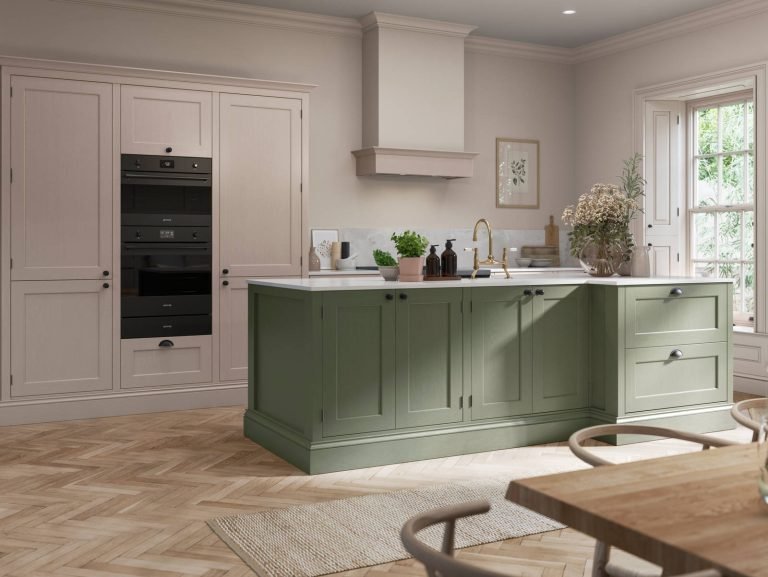
Lighting sets the mood and highlights key areas. Use layered lighting, combining overhead lights with lamps and under-cabinet lights. Pendant lights over the kitchen island add style and focus. Floor lamps in the living area create warmth. Decorate with simple art and plants for freshness. Use colors that connect both spaces for unity. Keep decorations minimal to avoid clutter.
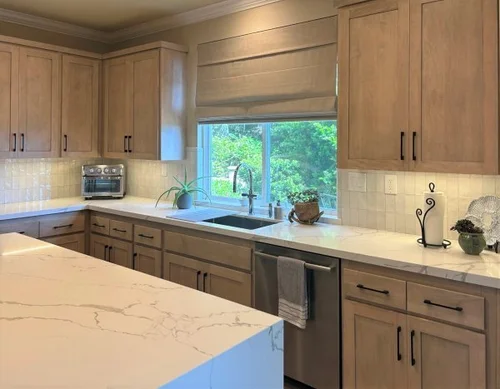
Credit: carlaaston.com
Frequently Asked Questions
Can I Remove A Load-bearing Wall Between Kitchen And Living Room?
Removing a load-bearing wall requires professional assessment. You may need a structural engineer to design proper support beams. Always obtain permits and hire licensed contractors for safety and compliance.
What Permits Are Needed To Remove A Kitchen-living Room Wall?
Most local authorities require building permits to remove walls. Permits ensure the work meets safety codes. Check with your city’s building department before starting demolition.
How Much Does Removing A Wall Between Rooms Cost?
Wall removal costs vary from $1,200 to $5,000 depending on wall type and size. Load-bearing walls cost more due to structural work. Additional expenses include permits and finishing.
How Long Does Wall Removal Between Kitchen And Living Room Take?
Wall removal typically takes 1 to 3 days. Load-bearing walls may require extra time for support installation. Finish work like painting may extend the timeline.
Conclusion
Removing the wall between your kitchen and living room creates a bright, open space. It helps family and friends connect easily. Plan carefully and check for any wiring or pipes inside the wall. Use proper tools and ask for help if needed.
This small change can make your home feel bigger and more welcoming. Take your time, follow safety steps, and enjoy your new open area.