How to Remove Kitchen Tiles Without Damaging Wall: Easy Expert Tips
Are you ready to update your kitchen but worried about damaging the walls when removing tiles? You’re not alone.
Many homeowners face the same dilemma. The good news is, you can remove kitchen tiles without causing any harm to your walls. Imagine transforming your space without the stress of repairs. In this guide, you’ll discover simple, effective steps to carefully remove your kitchen tiles, leaving your walls intact and ready for a fresh new look.
Stay with us, and by the end, you’ll have the confidence to tackle this project with ease.
Tools Needed
Removing kitchen tiles without harming the wall requires the right tools. Having the proper equipment makes the job easier and safer. It also helps protect the wall behind the tiles. Gather all the tools before starting. This saves time and avoids damage.
Essential Hand Tools
- Putty knife or paint scraper – to pry tiles gently
- Hammer – for tapping the scraper under tiles
- Chisel – to separate stubborn tiles from the wall
- Utility knife – to cut grout lines around tiles
- Bucket and sponge – to clean dust and debris
Safety Gear
- Safety goggles – protect eyes from flying debris
- Work gloves – shield hands from sharp edges
- Dust mask – prevent inhaling dust and particles
- Long sleeves and pants – protect skin from cuts and scrapes
Optional Power Tools
- Oscillating multi-tool with scraper blade – for faster grout removal
- Rotary hammer with chisel attachment – helps with tough tiles
- Electric drill with wire brush – to clean wall surface after tile removal

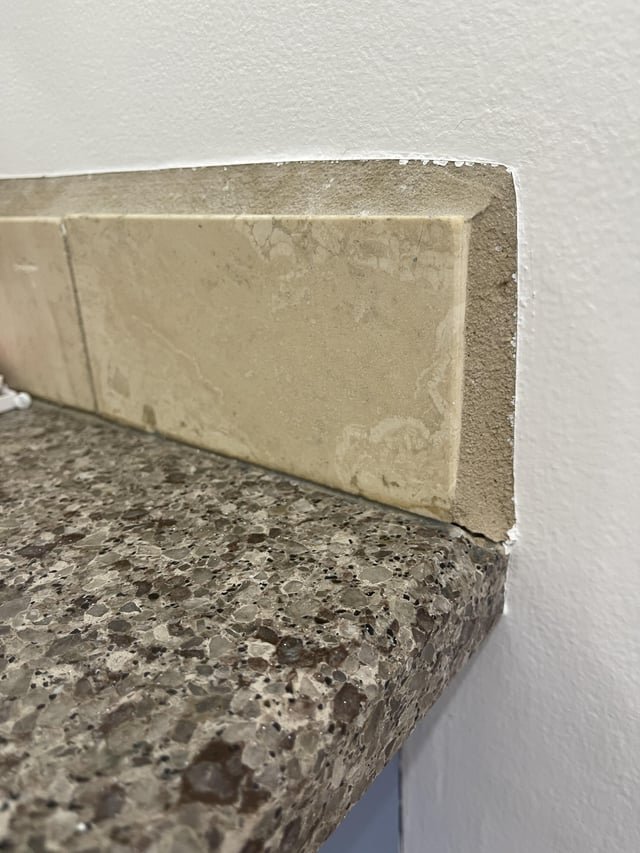
Credit: www.reddit.com
Preparing The Area
Before you start removing kitchen tiles, setting up your workspace is crucial. Proper preparation helps protect your walls and makes the process smoother. Taking time to prepare can save you from costly repairs and unexpected messes.
Clearing The Workspace
Remove all items from countertops, shelves, and nearby cabinets. This gives you plenty of room to move and prevents accidental damage to your belongings. Don’t forget to take down wall hangings or decorations close to the tiling area.
Clearing the space also reduces dust settling on your things. Imagine working in a cluttered area—dust and debris can spread everywhere, making cleanup a nightmare. A clean workspace keeps you focused and safe.
Protecting Surfaces
Cover your countertops, floors, and appliances with drop cloths or plastic sheets. Use painter’s tape to secure coverings so they don’t shift while you work. This simple step prevents chips, scratches, and stains.
Consider placing cardboard or foam padding in high-traffic areas to avoid slips or damage. Protecting surfaces might seem like extra work, but it saves you from unexpected headaches later. Have you ever cleaned grout dust off an expensive appliance? Avoid that hassle by prepping well.
Shutting Off Utilities
Turn off water supply lines connected to sinks or appliances near the tiled wall. This prevents leaks if you accidentally hit a pipe. Also, switch off electricity at the breaker if you’re working near outlets or light fixtures.
Safety is key when handling tile removal tools close to utilities. A small mistake can cause big problems like electrical shocks or water damage. Double-checking these steps before you start will give you peace of mind and keep your project safe.
Scoring The Grout
Scoring the grout is a key step in removing kitchen tiles without harming the wall. It loosens the tiles by breaking the grout lines. This makes tile removal smoother and cleaner. Proper scoring reduces the risk of wall damage and keeps the surface intact for new tiles.
Choosing The Right Tool
Selecting the right tool for scoring grout is crucial. A grout saw or a utility knife works well for small jobs. For larger areas, an oscillating multi-tool with a grout removal blade saves time. Use a tool that feels comfortable and gives control. Sharp blades cut grout more easily and reduce effort.
Techniques For Clean Cuts
Start scoring by following grout lines carefully. Keep the tool steady and apply light pressure. Avoid digging too deep to protect the wall behind. Score all grout lines around the tile before trying to remove it. Clean cuts make tile removal easier and prevent chipping or cracking.
Removing Tiles Gently
Removing kitchen tiles without damaging the wall requires patience and a gentle approach. Tiles are often glued tightly, but rushing the process can cause cracks or holes in your wall. Taking your time and using the right tools helps preserve the surface underneath, saving you extra repair work later.
Starting At Loose Tiles
Begin by identifying tiles that are already loose or cracked. These tiles offer a natural starting point because they require less force to remove. Gently wiggle a putty knife or your fingers around the edges to lift them without harming the wall.
If you don’t see any loose tiles, tap lightly on several tiles with a rubber mallet. The hollow sound can indicate looseness beneath. Starting here reduces the risk of damaging the wall and makes the overall removal easier.
Using A Pry Bar Carefully
A pry bar is a helpful tool but it can also cause damage if not used carefully. Slide the thin end of the pry bar under the tile’s edge, applying slow, steady pressure rather than quick jerks. This controlled movement helps separate the tile from the adhesive without gouging the wall.
Protect your wall by placing a thin piece of wood or a wide putty knife between the pry bar and the surface. This simple trick spreads the force and prevents scratches or dents. How often do you think about tool placement until it saves your project?
Handling Stubborn Tiles
Sometimes tiles resist all your gentle efforts. In these cases, soften the adhesive by spraying a small amount of warm water or a mixture of vinegar and water on the grout lines. Wait a few minutes for it to soak in before trying again.
If the tile still won’t budge, use a hammer and a chisel with light taps to break the tile into smaller pieces. This reduces the stress on the wall behind. Remember, patience here prevents frustration and costly wall repairs.
Minimizing Wall Damage
Removing kitchen tiles can be a tricky task, especially when you want to keep your walls intact. Minimizing wall damage is crucial not only for maintaining the look of your kitchen but also for saving time and money on repairs. With the right approach, you can carefully strip tiles while preserving the surface underneath.
Avoiding Excessive Force
Using too much force while prying tiles off often leads to cracked drywall or plaster. Instead, gently tap a chisel or putty knife under the edge of each tile and slowly work it loose. Patience here pays off—rushing only increases the risk of damage.
Think about the last time you tried to remove something stuck tightly without easing it first. Did it break or bend? The same principle applies to your wall. Applying steady, controlled pressure prevents unnecessary breaks.
Working In Small Sections
Breaking the task into small areas makes it easier to control the removal process. Focus on one tile or a small cluster at a time to maintain precision. This approach reduces the chance of accidentally pulling away chunks of wall material.
Small sections also allow you to spot any weak spots early. If you notice the wall starting to chip, you can adjust your technique before the damage worsens. Have you noticed how tackling a big project in pieces feels less overwhelming and more manageable?
Repairing Minor Wall Chips
Minor chips and nicks are almost inevitable, but they don’t have to ruin your wall. Keep some lightweight spackle and a putty knife handy to fill in small holes immediately after tile removal. This quick fix smooths the surface and prevents further crumbling.
Once the spackle dries, a light sanding will leave your wall ready for painting or new tiles. Taking this step right away saves you from bigger repairs down the line. What simple fixes have you found effective for small wall damage?
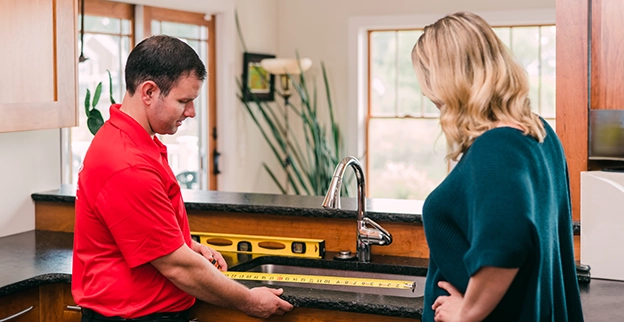
Credit: www.mrhandyman.com
Cleaning Up Adhesive Residue
After removing kitchen tiles, adhesive residue often sticks stubbornly to the wall. Tackling this residue carefully is crucial to avoid wall damage. Cleaning it up requires patience and the right approach to restore a smooth surface for your next project.
Softening Adhesive
Softening the adhesive makes it much easier to remove without scraping hard. You can use warm water with a sponge to dampen the area, which helps loosen the glue. Another effective trick is applying a heat gun or hairdryer—warmth softens the adhesive, reducing the risk of chipping the wall.
Have you ever tried peeling off dried glue without softening it first? It often pulls off paint or drywall bits. Taking time to soften adhesive first will save you from extra repairs later.
Scraping Techniques
Choose a plastic scraper or putty knife instead of metal tools to avoid scratching the wall. Hold the scraper at a low angle and gently push the adhesive off in small sections. Use light, steady pressure and avoid prying aggressively.
If the residue is thick, work in layers rather than forcing it all at once. You’ll find this method less frustrating and much kinder to your wall’s surface.
Using Chemical Removers Safely
Chemical adhesive removers can be very effective but require careful handling. Always ventilate the room well and wear gloves to protect your skin. Test the remover on a small, hidden spot first to ensure it won’t discolor or damage your wall.
Follow the product instructions closely and avoid leaving chemicals on too long. Rinse the area thoroughly with water afterward to remove any leftover residue. How much time do you spend cleaning after a tile job? Using the right remover can cut that down dramatically.
Final Wall Preparation
Once you have carefully removed the kitchen tiles, your wall might look rough and uneven. Final wall preparation is essential to create a smooth and strong surface for your new tiles. Skipping this step can lead to poor tile adhesion or an unsightly finish.
Sanding And Smoothing
Start by sanding the wall to eliminate leftover adhesive, bumps, and rough patches. Use medium-grit sandpaper to level out uneven areas without damaging the drywall or plaster beneath.
Wear a mask to avoid inhaling dust, and work gently to prevent creating holes. Sanding gives you a clean, flat surface, making it easier for new tiles to stick firmly.
Priming Before New Tiles
After sanding, apply a primer designed for tile installation. Priming seals the wall and improves the bond between the surface and the tile adhesive.
If you skip priming, moisture can get trapped, leading to tile loosening over time. Choose a primer that suits your wall type—whether drywall, cement board, or plaster—for the best results.
Credit: www.diychatroom.com
Frequently Asked Questions
How Can I Remove Kitchen Tiles Without Wall Damage?
Use a grout removal tool first to loosen tiles. Gently pry tiles with a putty knife or chisel. Work slowly to avoid wall cracks or holes.
What Tools Are Needed To Remove Kitchen Tiles Safely?
Essential tools include a grout saw, putty knife, hammer, and safety goggles. These help remove tiles carefully without harming the wall.
How To Protect The Wall During Tile Removal?
Cover the wall with painter’s tape and plastic sheets. Remove tiles gently to avoid chipping or breaking the wall surface.
Can I Remove Tiles Without Professional Help?
Yes, with the right tools and patience, you can do it. Follow step-by-step methods and work carefully to prevent wall damage.
Conclusion
Removing kitchen tiles without harming the wall takes care and patience. Use the right tools and work slowly to avoid damage. Protect your hands and eyes while you work. Check the wall often to see how it holds up. Small cracks might appear, but you can fix them later.
Following these simple steps saves time and money. You can enjoy a smooth, clean wall for your next project. Keep calm and take your time. Success comes with careful work and attention.