What Causes Apron Belly: Top Reasons You Need to Know Now
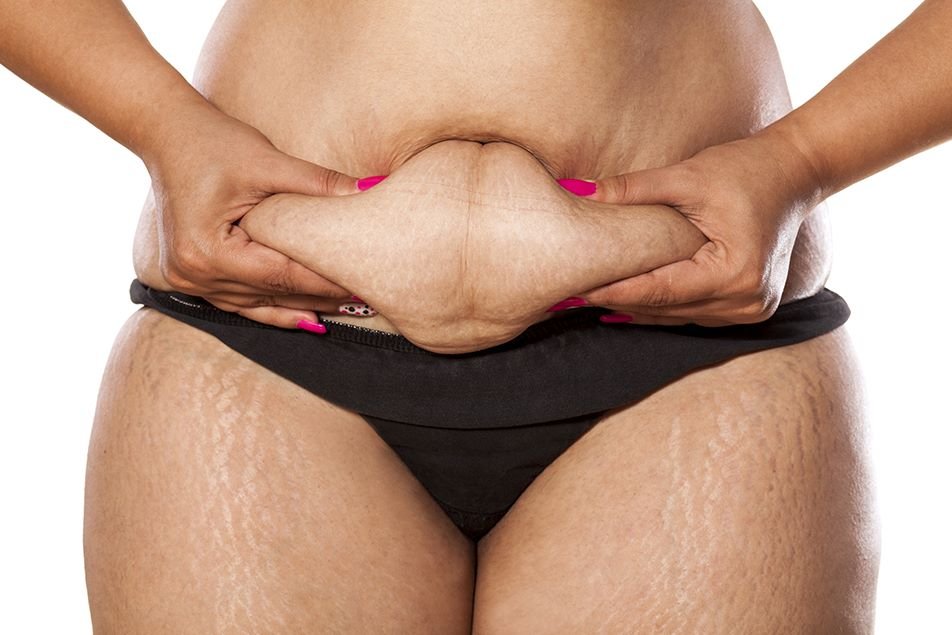
Apron belly is a common problem many people face. It looks like a fold or flap of skin that hangs over the stomach. This flap can cover the lower belly and sometimes hang down low. But why does apron belly happen? Let’s find out.
What Is Apron Belly?
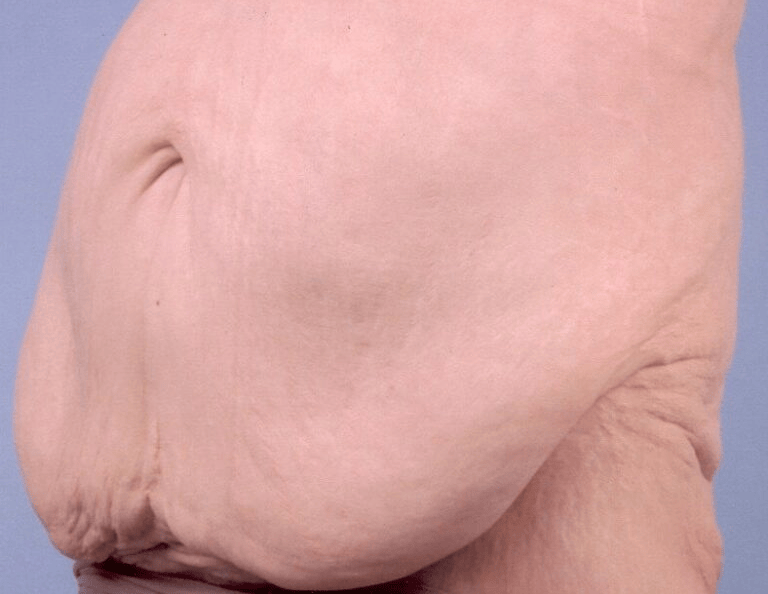
Apron belly is extra skin and fat that hangs down from the belly. It looks like an apron or flap. Sometimes doctors call it “pannus” or “abdominal panniculus.” This extra skin can be soft and sometimes hard to move. It can cause discomfort or skin problems.
Main Causes of Apron Belly
Many things can cause apron belly. Here are the main reasons:
1. Weight Gain
Gaining a lot of weight is the main cause. When people eat more food than their body needs, the extra energy turns into fat. This fat can build up in the belly area. Over time, the skin stretches to hold this fat. If the weight is very high, the skin may not go back to normal. This extra skin hangs down and forms an apron belly.
2. Weight Loss
Losing a lot of weight too fast can also cause apron belly. When people lose weight, the fat under the skin shrinks. But the skin may not shrink back fully. This leaves loose skin hanging down. This loose skin looks like an apron. It is common in people who lose a lot of weight quickly, like after surgery or diet.
3. Pregnancy
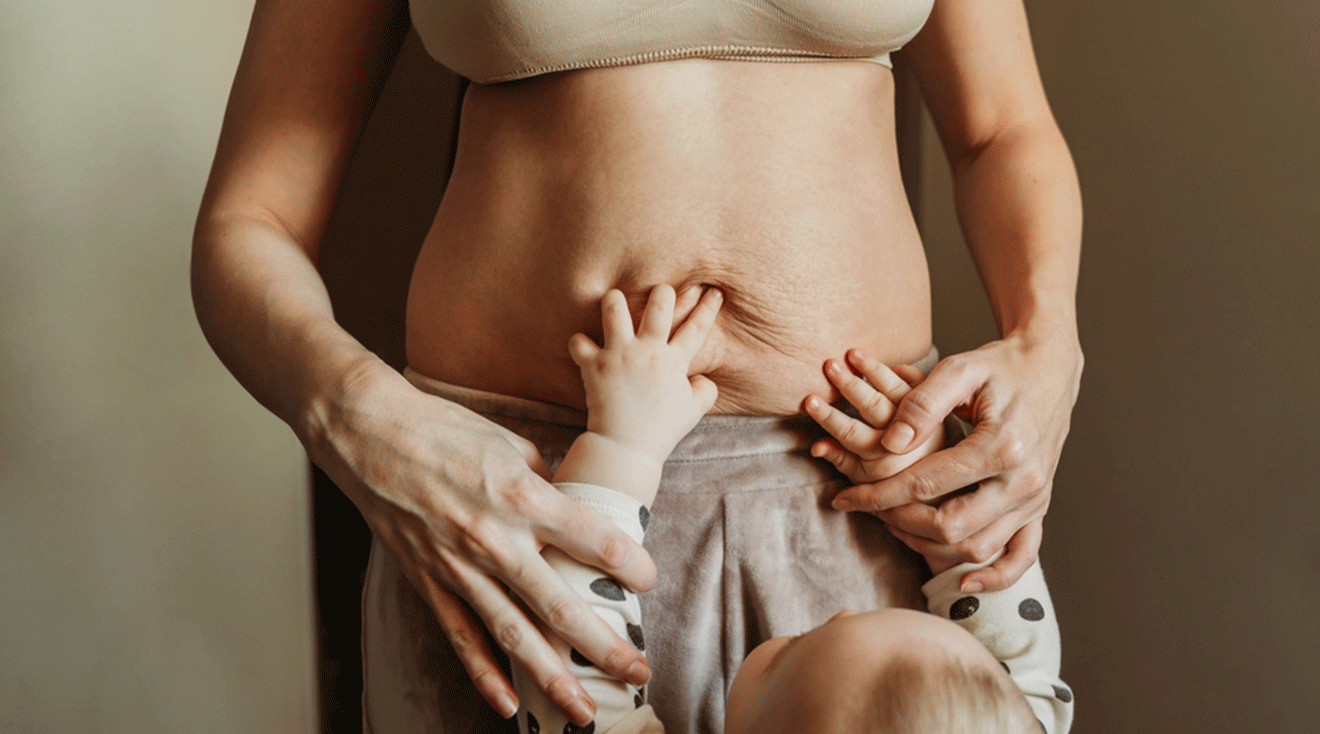
Pregnancy stretches the belly skin a lot. The skin and muscles stretch to hold the baby. After birth, the skin may stay loose and saggy. This can cause apron belly. Many women see this after having babies. The more babies a woman has, the more the skin stretches.
4. Aging
As we get older, our skin loses its strength and elasticity. Elasticity means the skin can stretch and then return to its shape. When skin loses elasticity, it becomes loose and saggy. This can cause apron belly, especially in older adults. The skin does not bounce back like it did when they were young.
5. Genetics
Some people have a family history of loose skin or fat in the belly. Genetics can play a role. If your parents or grandparents had apron belly, you might get it too. Some bodies store fat differently. This can cause apron belly even if you are not very heavy.
6. Surgery And Illness
Surgery in the belly area can cause loose skin. Sometimes after surgery, the skin does not heal tightly. Certain illnesses can also affect skin and fat. These can make apron belly more likely.
How Does Apron Belly Affect Health?
Apron belly is not just about looks. It can cause health problems too. Here are some common effects:
- Skin irritation: The skin under the flap can get red and sore.
- Infections: Moisture and sweat can cause infections under the apron.
- Bad smell: Sweat can make a bad odor under the skin flap.
- Movement problems: The heavy flap can make walking or exercising hard.
- Back pain: Extra weight in front can cause back pain.
Credit: www.thebump.com
Credit: drglennlyle.com
How Can You Prevent Apron Belly?
You can take steps to avoid apron belly. These tips can help:
1. Maintain A Healthy Weight
Eat balanced meals and stay active. Keep your weight steady. Avoid gaining or losing too much weight quickly.
2. Exercise Regularly
Exercise helps keep muscles firm and skin tight. Focus on belly exercises and overall fitness.
3. Care For Your Skin
Use moisturizers to keep skin soft. Drink enough water every day. Healthy skin is more elastic.
4. Manage Pregnancy Changes
During and after pregnancy, follow doctor advice. Exercise and eat well to help skin recover.
5. Avoid Smoking
Smoking hurts skin health and slows healing. Avoid smoking to keep skin strong.
Treatment Options for Apron Belly
If you already have apron belly, there are ways to treat it. Here are some common options:
1. Weight Loss
Losing extra fat can reduce apron belly size. Combine healthy eating with exercise for best results.
2. Skin Care
Use creams and lotions to improve skin elasticity. Some products may help tighten skin over time.
3. Compression Garments
Special clothing can support the belly area. These garments hold the flap close to the body. They can reduce discomfort and skin problems.
4. Surgery
In some cases, surgery is the best option. A doctor can remove extra skin and fat. This is called a “panniculectomy” or “tummy tuck.” Surgery helps when other methods do not work.
Summary Table: Causes and Solutions for Apron Belly
| Cause | Description | Possible Solutions |
|---|---|---|
| Weight Gain | Extra fat builds up in the belly area. | Healthy eating, exercise, weight control. |
| Weight Loss | Loose skin after fast fat loss. | Skin care, gradual weight loss, surgery. |
| Pregnancy | Skin and muscles stretch during pregnancy. | Post-pregnancy exercise, skin care. |
| Aging | Skin loses elasticity with age. | Moisturizers, healthy lifestyle, surgery. |
| Genetics | Family traits affect skin and fat storage. | Weight control, skin care. |
| Surgery & Illness | Skin changes after surgery or illness. | Medical care, possible surgery. |
Final Thoughts
Apron belly can happen for many reasons. Weight changes, pregnancy, age, and genes all play a role. It can cause health problems and affect daily life. But you can prevent or reduce apron belly with care. Healthy habits and skin care help a lot. If needed, talk to a doctor about treatment options.
Remember, every body is different. Patience and care are key. Take small steps every day. Your belly and skin can improve over time.
Frequently Asked Questions
What Is Apron Belly?
Apron belly is excess fat and skin hanging over the abdomen. It occurs post-pregnancy or after weight loss.
How Does Weight Gain Cause Apron Belly?
Excessive weight gain stretches skin and abdominal muscles. Over time, this leads to apron belly formation.
Can Pregnancy Lead To Apron Belly?
Yes, pregnancy can stretch abdominal skin and muscles. This often results in an apron belly postpartum.
Is Apron Belly Only Caused By Obesity?
No, apron belly can also result from significant weight loss or pregnancy. It’s not only linked to obesity.

Ethan Cole is a kitchen innovation enthusiast and food technology writer at DiningGadgets.com. With over 8 years of experience reviewing cookware, smart kitchen tools, and design trends, he helps readers discover gadgets that make cooking easier and dining more enjoyable. When he’s not testing the latest kitchen appliances, Ethan enjoys experimenting with recipes and sharing practical tips for modern homes.