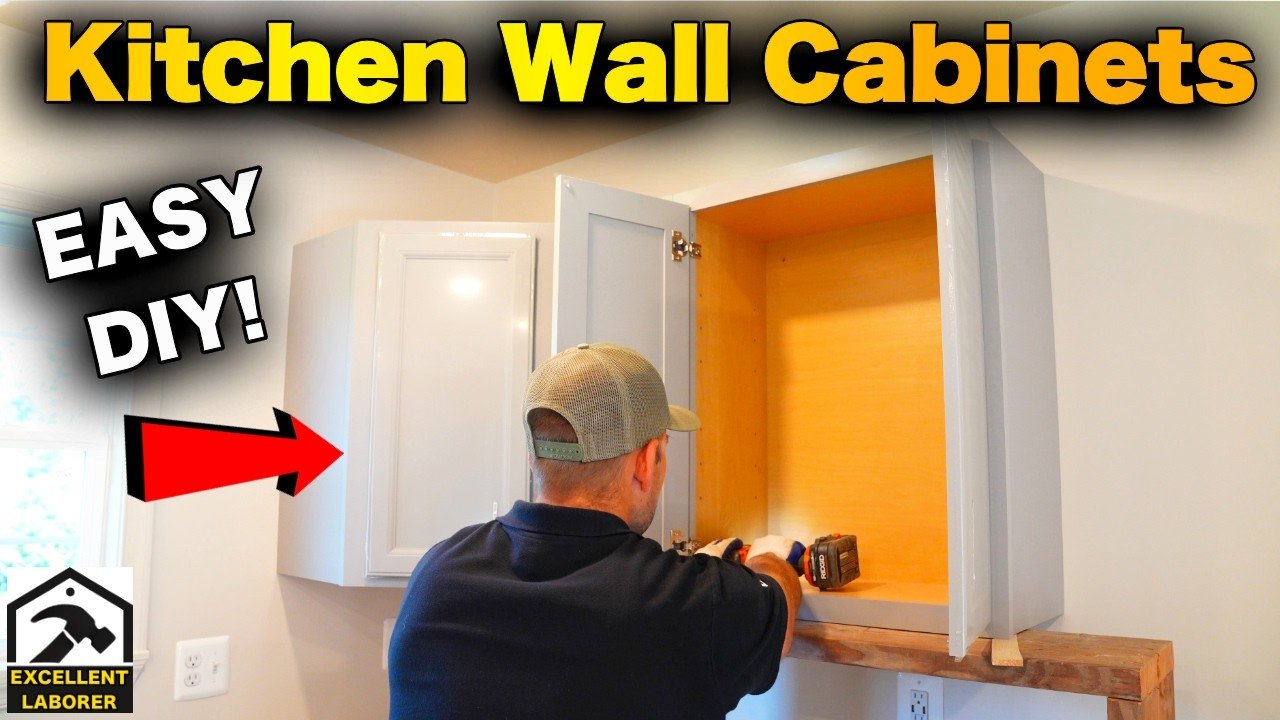
How to Screw Kitchen Cabinets to Wall: Easy Steps for Perfect Mounting
Are you planning a kitchen makeover or simply looking to secure those wobbly cabinets? Knowing how to screw kitchen cabinets to the wall is an essential skill for ensuring a safe and stylish cooking space.
Imagine the peace of mind you’ll have, knowing that your cabinets are firmly in place, ready to hold all your culinary treasures. This guide will walk you through each step, making the process a breeze even for beginners. You’ll gain confidence with every turn of the screw, transforming your kitchen into a haven of stability and elegance.
Stick around to discover expert tips and tricks that will make your cabinet installation both effortless and effective. Let’s get started on creating a kitchen that’s as secure as it is stunning!
Tools And Materials Needed
Before you start screwing your kitchen cabinets to the wall, gathering the right tools and materials is crucial. Having everything at hand saves time and prevents frustrating interruptions. Let’s look at the essentials that will make your installation smooth and secure.
Essential Tools
- Power Drill:A cordless drill with variable speed control helps you drill pilot holes and drive screws efficiently.
- Stud Finder:You need to locate wall studs to ensure your cabinets are firmly anchored.
- Level:This guarantees your cabinets go up straight, preventing uneven doors and shelves.
- Measuring Tape:Accurate measurements avoid mistakes and misalignments.
- Screwdriver Set:For any fine adjustments or tight spots where a drill can’t fit.
- Clamps:Handy for holding cabinets in place while you fasten them.
Once, I underestimated the power of a good stud finder and ended up with cabinets that wobbled—don’t make the same mistake.
Choosing The Right Screws
Not all screws are created equal when it comes to kitchen cabinets. You’ll want heavy-duty screws that can bear the cabinet’s weight plus the contents inside.
- Length:Screws should be at least 2.5 to 3 inches long to go through the cabinet, drywall, and deep into the stud.
- Type:Wood screws or cabinet screws with a coarse thread are best for gripping into studs.
- Material:Choose corrosion-resistant screws, especially if your kitchen has higher humidity.
Think about how much weight your cabinets will carry—are you storing heavy pots and pans? The screw choice can make or break the setup.
Additional Supplies
- Wall Anchors:Useful if you can’t align screws perfectly with studs, but use with caution.
- Shims:Small wooden wedges help level your cabinets if the wall is uneven.
- Painter’s Tape:Mark drill points or protect surfaces during installation.
- Safety Gear:Gloves and safety glasses protect your hands and eyes while drilling.
Remember, a small shim can save you hours of frustration fixing crooked cabinets. What small tool or supply has saved you time on a home project?
Preparing The Wall And Cabinets
Preparing the wall and cabinets before screwing kitchen cabinets to the wall sets the foundation for a sturdy and safe installation. Taking your time in this phase prevents costly mistakes and keeps your cabinets perfectly aligned. Let’s break down the essential steps to get you ready for a smooth installation.
Locating Wall Studs
Start by finding the wall studs, as cabinets need to be anchored into these for maximum strength. Use a stud finder to scan the wall—move it slowly to avoid missing any studs hidden behind drywall. Mark each stud location clearly with a pencil; these marks will guide where you drive your screws.
If you don’t have a stud finder, knocking on the wall can help—solid sounds usually indicate a stud. Remember, securing cabinets only to drywall can cause them to pull away over time, so don’t skip this step.
Measuring And Marking
Accurate measurements ensure your cabinets fit perfectly and look professional. Measure the height where you want the cabinet’s bottom edge to sit, then mark a level line across the wall using a spirit level. This line acts as your baseline for mounting all cabinets at the same height.
Next, mark the stud locations along this line. Double-check measurements for width and spacing between cabinets if installing multiple units. Taking the time to mark precisely now saves you from crooked cabinets later.
Checking Cabinet Alignment
Before attaching, hold the cabinet against the wall to verify its fit and alignment. Use a level to check if the cabinet is perfectly horizontal and adjust as needed. If your wall isn’t perfectly flat, shims can help fill gaps and keep cabinets straight.
Try clamping the cabinet in place and rechecking your marks to ensure everything lines up. Do you notice any uneven spots on the wall? Address these now to prevent frustration during the final screw-in.
Mounting The Cabinets
Mounting kitchen cabinets to the wall requires care and precision. Proper attachment ensures safety and durability. This process involves preparing the wall, aligning the cabinets, and securing them firmly.
Drilling Pilot Holes
Start by marking where the screws will go. Use a pencil to mark the cabinet and wall. Drill small pilot holes at these marks. Pilot holes prevent wood from splitting. They guide screws straight into the surface.
Securing Cabinets To Studs
Locate the wall studs using a stud finder. Studs offer the strongest support for cabinets. Align the cabinet so the pilot holes match the studs. Use long screws to attach the cabinet firmly. Avoid screwing into drywall alone; it won’t hold well.
Using Clamps For Stability
Place clamps on the cabinet edges to hold them steady. Clamps keep the cabinet from moving during screwing. This helps maintain level and proper alignment. Remove clamps after securing the screws tightly.

Credit: www.create-enjoy.com
Leveling And Adjusting Cabinets
Leveling and adjusting kitchen cabinets is crucial for a professional look and proper function. Cabinets that are uneven cause doors to misalign and drawers to stick. This section explains how to use simple tools and techniques to ensure your cabinets sit perfectly flat and straight against the wall.
Using A Level
Place a level on top of the cabinet to check its alignment. Look at the bubble in the level’s vial. If it is centered, the cabinet is level. Check both side-to-side and front-to-back directions for accuracy. Repeat this on all cabinets to ensure consistency across your kitchen.
Making Fine Adjustments
Use shims made of wood or plastic to adjust the cabinet position. Insert shims between the wall and cabinet where needed. Tap them gently until the cabinet becomes level. Remove excess shim material with a utility knife to keep a clean look. Small adjustments here prevent bigger problems later.
Tightening Screws Properly
Once the cabinet is level, tighten the screws holding it to the wall. Use a drill or screwdriver to secure the cabinet firmly. Tighten screws evenly to avoid shifting the cabinet out of level. Check the level again after tightening to confirm everything stays in place.
Final Touches And Safety Tips
After securing your kitchen cabinets to the wall, the final touches and safety checks ensure a polished, durable setup. These steps protect your work and keep your kitchen safe for daily use.
Sealing Gaps
Fill any gaps between the cabinet and wall with caulk. This prevents dust and moisture from entering. Use a paintable caulk for a clean, finished look. Smooth the caulk with a wet finger or a caulk tool. Let it dry fully before touching.
Cleaning Up
Remove dust, debris, and leftover screws from the workspace. Wipe down cabinet surfaces with a damp cloth. Clear the floor to avoid slips or trips. Organize your tools and materials for easy access next time. A clean space helps maintain your new installation.
Safety Precautions
- Wear safety goggles to protect your eyes from dust and debris.
- Use gloves to avoid splinters and sharp edges.
- Double-check that cabinets are securely fastened to prevent falls.
- Keep children and pets away from the work area until complete.
- Use a sturdy ladder or step stool for reaching high spots safely.

Credit: www.familyhandyman.com

Credit: www.create-enjoy.com
Frequently Asked Questions
How Do You Find Studs For Kitchen Cabinet Installation?
Use a stud finder to locate wooden studs behind drywall. Mark the stud positions with a pencil. Cabinets must be screwed into studs for strong support and safety.
What Type Of Screws Is Best For Kitchen Cabinets?
Use 2. 5 to 3-inch wood screws with a flat head. Choose screws coated to resist rust and corrosion. This ensures a secure and long-lasting cabinet installation.
Can I Screw Kitchen Cabinets Directly Into Drywall?
No, drywall alone can’t support cabinet weight. Always screw cabinets into wall studs for stability. Use a stud finder to locate studs before installation.
How High Should Kitchen Cabinets Be Mounted On The Wall?
Standard height is 54 inches from the floor to the cabinet’s bottom. Adjust based on ceiling height and user preference. Proper height improves functionality and kitchen aesthetics.
Conclusion
Screwing kitchen cabinets to the wall is simple with the right steps. Measure and mark carefully before drilling. Use the proper screws and anchors for a strong hold. Always check the level to keep cabinets straight. Take your time and work safely.
This approach helps your cabinets stay secure for years. Enjoy a neat and sturdy kitchen setup.