How to Mount Cabinets to a Wall: Easy Steps for Perfect Installation
Are you ready to transform your kitchen or workspace with perfectly mounted cabinets? Imagine the satisfaction of having your cabinets securely affixed to the wall, providing both functionality and style.
Whether you’re a DIY enthusiast or just looking to save some money, learning how to mount cabinets to a wall can be incredibly rewarding. In this guide, you’ll discover simple, step-by-step instructions that make the process straightforward and stress-free. Say goodbye to cluttered countertops and hello to organized living spaces.
Ready to turn this daunting task into a doable project? Let’s dive in!
Tools And Materials Needed
Mounting cabinets securely requires having the right tools and materials ready before you start. Missing even one essential item can make the job frustrating or unsafe. Let’s look at what you’ll need to get your cabinets up on the wall the right way.
Essential Tools
- Stud Finder:You need this to locate the wall studs, which provide the strongest support for your cabinets. Without it, your cabinets might hang on drywall alone, risking damage over time.
- Drill and Drill Bits:A drill speeds up the process of making pilot holes and driving screws. Make sure your drill has a clutch to control torque and prevent overdriving screws.
- Level:Getting your cabinets perfectly horizontal is crucial. A small bubble level or laser level can save you from crooked cabinets that ruin your room’s look and function.
- Measuring Tape:Accurate measurements prevent guesswork. This tool helps you mark where the cabinets will go and ensures proper spacing.
- Screwdriver or Impact Driver:While drills work well for most screws, sometimes a screwdriver is better for fine control when tightening.
- Clamps:Holding cabinets in place while securing them makes the process easier and safer. Quick-grip clamps are especially helpful if you’re working alone.
- Stud Finder:It’s worth repeating—never skip this. Knowing where the studs are is the key to a sturdy installation.
Required Materials
- Cabinets:Obviously, you need the cabinets themselves, but consider their weight and size before choosing mounting hardware.
- Mounting Screws:Use screws designed for cabinet installation, typically 8 or 10 wood screws at least 2.5 to 3 inches long. Avoid drywall screws; they won’t support heavy loads.
- Wall Anchors:If you can’t hit studs, heavy-duty wall anchors rated for your cabinet’s weight are necessary. But remember, studs are always better.
- Shims:Walls aren’t perfectly flat, so shims help level cabinets and prevent stress on the frame.
- Painter’s Tape:Use tape to mark stud locations or cabinet placement without damaging your walls.
- Safety Gear:Don’t forget protective gloves and safety glasses. Keeping safe is part of a smart workspace.
Have you checked your tools and materials list before starting a project? Preparing this way helps avoid frustrating pauses and keeps the job smooth. Your cabinets deserve a secure mount, and you deserve a hassle-free experience.
Preparing The Wall
Preparing the wall before mounting cabinets is key to a safe and secure installation. It helps you avoid costly mistakes and ensures your cabinets hold up over time. Taking time to get this step right saves frustration down the road.
Locating Studs
Studs provide the strongest support for your cabinets. Use a stud finder to locate them precisely along the wall. Move the finder slowly to catch any subtle changes indicating a stud’s edge.
If you don’t have a stud finder, try tapping the wall and listen for a solid sound or gently knock to find denser areas. Mark each stud location clearly with a pencil. This simple step prevents your cabinets from pulling away or falling.
Marking Mounting Points
Once the studs are marked, decide exactly where your cabinets will hang. Measure the height carefully and mark horizontal lines for alignment. Use a level to keep your lines straight—nothing looks worse than crooked cabinets.
Mark the screw locations on these lines, ideally placing them on or near the studs. If you have a heavy cabinet, plan for extra support points. Have you ever ended up with uneven cabinets? Precise markings avoid this common pitfall.
Checking Wall Condition
Before drilling, inspect the wall surface closely. Look for cracks, water damage, or loose drywall that could weaken your mounting. If you find any problems, fix them first to avoid future damage.
Test the wall’s firmness by pressing gently—soft spots mean you might need additional backing or reinforcement. A solid, clean wall makes your cabinet installation last longer and stay secure. Have you checked your wall thoroughly before mounting? It’s a step many skip but always regret.
Preparing The Cabinets
Preparing the cabinets is a key part of mounting them securely to a wall. This step ensures the cabinets are lighter and easier to handle. It also helps protect doors and shelves from damage during installation. Careful preparation saves time and effort later in the process.
Start by removing parts that might get in the way or break. Then measure and mark where you will drill. Finally, drill small holes to guide screws and avoid splitting the wood.
Removing Doors And Shelves
Take off the cabinet doors carefully. Use a screwdriver to remove the hinges. Place the doors in a safe spot to avoid scratches.
Next, remove the shelves. This makes the cabinet lighter and prevents damage. Shelves can be lifted out or unscrewed depending on the model. Keep all screws and small parts together.
Measuring And Marking
Measure the wall space and the cabinet dimensions. Mark the wall where the cabinet will hang. Use a pencil to make light, clear marks.
Check for wall studs using a stud finder. Mark stud locations on the wall. Align the cabinet marks with these studs for strong support.
Drilling Pilot Holes
Drill small pilot holes in the cabinet frame. These holes guide screws and prevent wood from splitting. Use a drill bit smaller than the screw diameter.
Drill corresponding pilot holes in the wall where studs are marked. Make sure holes line up with cabinet holes. This makes attaching the cabinet easier and more secure.

Credit: www.create-enjoy.com
Mounting The Cabinets
Mounting cabinets to a wall requires care and precision to ensure they are secure and level. This step sets the foundation for a sturdy installation. Proper mounting avoids future problems like sagging or uneven doors. Follow each part carefully for best results.
Lifting And Positioning
Start by lifting the cabinet with help. Large cabinets are heavy and awkward. Hold the cabinet close to the wall. Position it near the marked studs for easy securing. Use a helper to keep the cabinet steady. Check the cabinet height matches your plan. Hold it firm before securing.
Securing To Wall Studs
Locate wall studs using a stud finder. Screws must go into studs for strong support. Use long screws, at least 2.5 inches, for better grip. Drill pilot holes to prevent wood splitting. Drive screws through the cabinet back into studs. Space screws evenly along the cabinet for balance. Avoid drywall anchors for heavy cabinets.
Leveling And Adjustments
Use a level to check cabinet alignment. Check both horizontal and vertical directions. Adjust the cabinet by slightly shifting or shimming if needed. Use wooden shims behind the cabinet if it tilts. Tighten screws after achieving perfect level. Double-check level before finalizing. Small adjustments make a big difference in the final look.
Finishing Touches
The final stage of mounting cabinets is all about those finishing touches that make your work look polished and professional. This step ensures your cabinets are not only secure but also visually appealing and ready for everyday use. Paying attention to these details can save you from future hassle and enhance the overall feel of your space.
Reattaching Doors And Shelves
After the cabinets are securely mounted, it’s time to put the doors and shelves back in place. Check the hinges and screws to make sure they’re tight; loose hardware can cause doors to sag or shelves to wobble. Adjust door alignment if needed, so they close smoothly without gaps or rubbing.
If you encounter doors that don’t sit perfectly, try tweaking the hinge screws slightly. This simple adjustment can make a big difference in the cabinet’s appearance and function.
Adding Trim Or Molding
Adding trim or molding around your cabinets can hide gaps and give your installation a custom look. Choose a style that matches your room’s decor—whether it’s simple quarter-round or more decorative crown molding.
Cut the trim pieces carefully and attach them using finishing nails or adhesive. Be sure to fill any nail holes with wood filler and paint or stain to match your cabinets. This step can transform a basic cabinet installation into a standout feature in your room.
Cleaning And Inspection
Once everything is assembled, clean your cabinets thoroughly to remove dust, fingerprints, and any construction debris. Use a mild cleaner that won’t damage the finish. Take a close look at every corner—are the doors aligned, the shelves secure, and the trim flush?
Consider this your final quality check. What small imperfections can you fix now before daily use? Catching these details early means your cabinets will stay beautiful and functional for years to come.

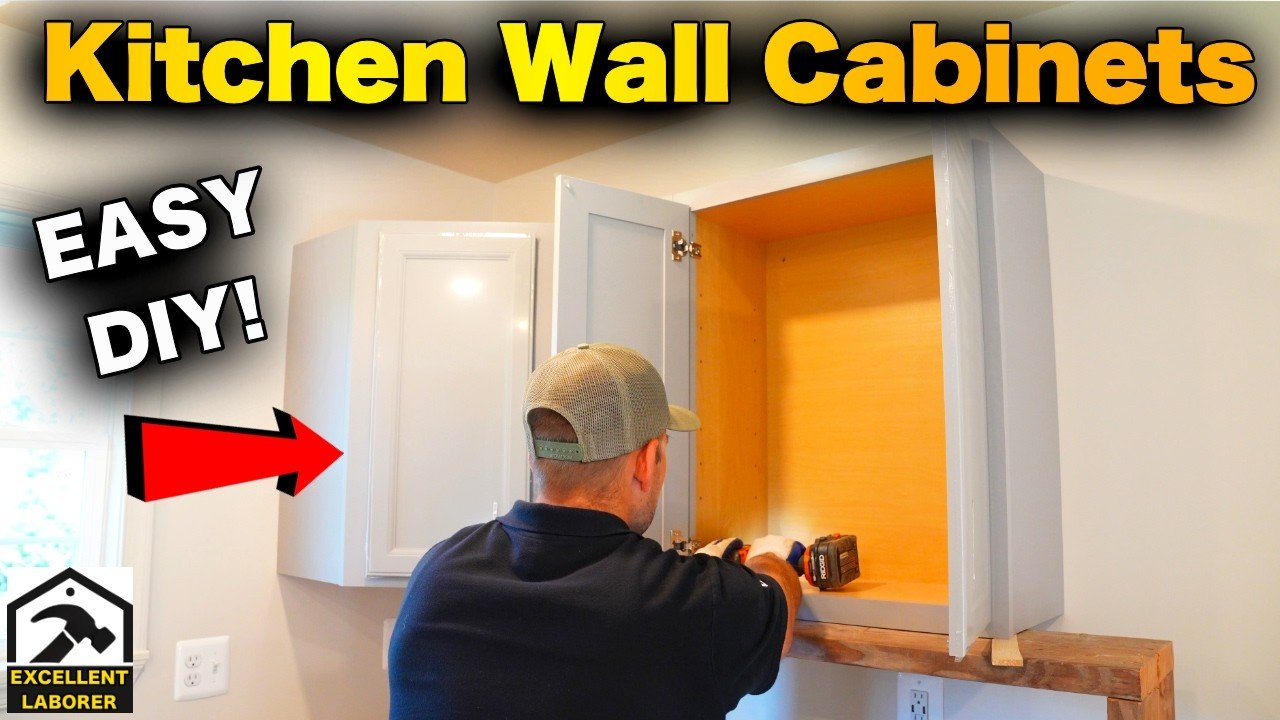
Credit: www.youtube.com
Common Mistakes To Avoid
Mounting cabinets on a wall seems simple but mistakes cause problems later. Avoiding common errors saves time, effort, and damage. Knowing what not to do helps keep cabinets secure and straight.
Ignoring Studs
Studs provide strong support for cabinets. Mounting only on drywall risks falling cabinets. Use a stud finder to locate studs before drilling. Always screw cabinets into studs, not just drywall.
Using Incorrect Fasteners
Wrong screws or anchors fail to hold cabinet weight. Use heavy-duty screws made for cabinets. Choose fasteners long enough to go through cabinet and deep into studs. Avoid nails or weak anchors.
Skipping Level Checks
Cabinets must be level for doors to close properly. Check level often during mounting, not just once. Use a spirit level and adjust brackets or screws as needed. Do not trust your eyes alone.
Tips For Different Wall Types
Mounting cabinets requires different techniques for each wall type. Walls vary in strength and material. Knowing how to handle each type helps secure cabinets safely. Use the right tools and anchors for best results.
Drywall
Drywall is common but not very strong alone. Always find the wall studs before mounting. Use a stud finder to locate them. Attach cabinets directly to these wooden studs for support.
- Use long wood screws to secure into studs.
- If no studs align, use heavy-duty drywall anchors.
- Avoid just using drywall screws; they won’t hold weight.
Concrete
Concrete walls are very strong but need special tools. Use a hammer drill to make holes. Select masonry anchors or concrete screws for mounting. These anchors grip tightly in the hard surface.
- Mark holes carefully before drilling.
- Use a level to keep cabinets straight.
- Wear safety glasses while drilling to protect eyes.
Plaster
Plaster walls can be brittle and may crack easily. Locate the studs behind the plaster for secure mounting. Use anchors designed for plaster if no studs are available. Drill slowly and gently to avoid damage.
- Use toggle bolts for extra holding power.
- Check the wall thickness before drilling.
- Patch any cracks or holes after installation.

Credit: www.create-enjoy.com
Frequently Asked Questions
How Do I Find Studs For Mounting Cabinets?
Use a stud finder to locate wall studs accurately. Studs provide strong support for heavy cabinets. Mark the stud positions before drilling. Always double-check with a small nail or drill bit to confirm the stud location. Proper stud placement ensures secure cabinet mounting.
What Tools Are Needed To Mount Cabinets?
Essential tools include a drill, level, stud finder, screwdriver, and measuring tape. Clamps and a helper can also assist during installation. Using the right tools ensures precise alignment and secure attachment. Proper preparation speeds up the cabinet mounting process.
How High Should Cabinets Be Mounted On The Wall?
Standard upper cabinets are mounted 54 inches from the floor to the cabinet bottom. This height allows comfortable access and workspace clearance. Adjust height based on ceiling height and countertop thickness. Consistency in height ensures a professional look.
Can I Mount Cabinets On Drywall Without Studs?
Mounting cabinets only on drywall is not recommended. Drywall alone cannot support cabinet weight safely. Always anchor cabinets into studs or use heavy-duty wall anchors designed for cabinet mounting. This prevents damage and ensures safety.
Conclusion
Mounting cabinets to a wall is a useful skill anyone can learn. Start by finding studs and measuring carefully. Use the right tools and screws for safety. Take your time to level each cabinet properly. Secure cabinets firmly to avoid accidents later.
A strong, well-mounted cabinet lasts for years. This simple process improves your space and storage. Try it yourself and enjoy the results. Small steps lead to a big difference. You can do this!