Why are My Kitchen Walls Wet: Causes, Risks & Quick Fixes
Why are your kitchen walls wet, and what does it mean for your home? Imagine walking into your kitchen, ready to prepare a meal, only to notice the unpleasant sensation of damp walls.
It’s not just an inconvenience; it could be a sign of hidden problems that need immediate attention. You might feel a twinge of worry, wondering if this is a minor issue or a precursor to something more serious. Understanding why your kitchen walls are wet is crucial, not just for the aesthetics of your space but for the health of your home and family.
Dive into this article to uncover the possible causes and learn practical solutions to keep your kitchen dry, safe, and inviting. Your peace of mind is just a few paragraphs away.

Credit: www.reddit.com
Common Causes Of Wet Kitchen Walls
Wet kitchen walls can cause damage and make your home uncomfortable. Understanding common causes helps you find the right solution fast. Several issues may lead to dampness on your walls. Some come from inside the house, while others come from outside.
Leaking Pipes And Plumbing Issues
Leaking pipes often cause wet spots on kitchen walls. Old or damaged plumbing can drip water slowly. This moisture soaks into the wall, causing stains and mold. Hidden leaks behind cabinets or under sinks are common. Watch for water stains, musty smells, or peeling paint.
Condensation From Cooking
Cooking creates steam that rises and settles on walls. Without proper ventilation, this moisture builds up quickly. Over time, condensation can make walls wet and encourage mold growth. Boiling water, frying, and using the oven all add moisture. Kitchens without extractor fans or open windows suffer most.
Poor Ventilation Problems
Bad air flow traps humidity inside the kitchen. This trapped moisture settles on cool surfaces like walls. Poor ventilation causes dampness and an uncomfortable smell. Kitchens with no vents, fans, or open windows face this problem. Improving air circulation reduces wall dampness and keeps the air fresh.
Roof Or Window Leaks
Leaks from the roof or windows let rainwater enter your kitchen walls. Damaged roof tiles or faulty window seals are common culprits. Water seeps into walls, causing wet patches and damage. Check for water stains near ceilings or around windows. Fixing leaks stops water intrusion and protects your walls.
Rising Damp From Ground Moisture
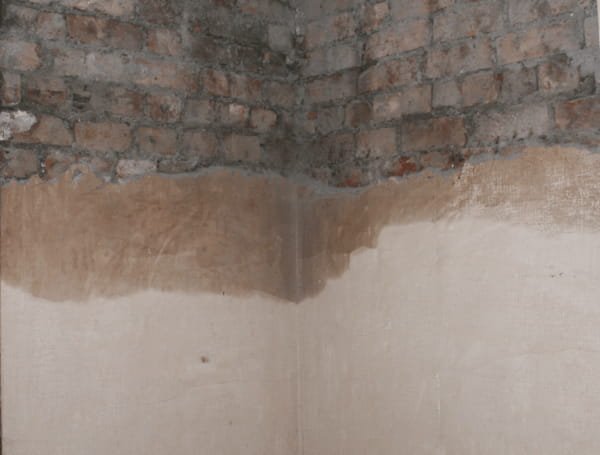
Rising damp happens when moisture from the ground moves up through walls. This usually affects kitchens on lower floors or basements. The dampness shows as wet marks, peeling paint, or crumbling plaster near the floor. Installing a damp-proof course or improving drainage can help. Preventing rising damp protects your home’s structure.

Credit: www.damp-solutions.com
Risks Of Wet Walls In Kitchens
Wet walls in your kitchen are more than just an eyesore. They bring a host of risks that can affect your home’s safety, appearance, and your health. Ignoring wet walls can lead to problems that are costly and sometimes dangerous. Understanding these risks helps you act quickly and protect your space effectively.
Mold And Mildew Growth
Moisture on your kitchen walls creates the perfect environment for mold and mildew to thrive. These fungi spread fast, especially in warm, humid areas like kitchens. Have you noticed a musty smell or dark spots on your walls? That could be mold starting to grow.
Mold doesn’t just damage surfaces; it can also trigger allergies and respiratory problems. It’s important to dry wet walls quickly to stop mold from taking hold.
Damage To Paint And Wallpaper
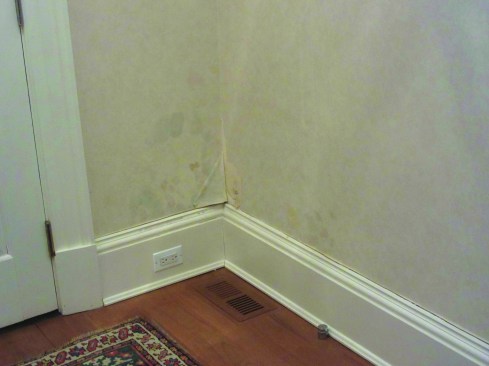
Wet walls cause paint to bubble, peel, or discolor. Wallpaper can loosen or develop stains, ruining your kitchen’s look. These issues don’t just look bad—they signal that moisture is affecting your walls’ surface.
Repainting or replacing wallpaper costs money and time, but it won’t solve the underlying moisture problem. Fixing the source of wetness is key to keeping your walls intact and looking good.
Structural Damage Concerns
Water can seep deep into walls, weakening the structure behind the surface. Over time, this may cause wood to rot or drywall to crumble. Have you seen your walls feel soft or saggy? That’s a serious warning sign.
Structural damage can compromise the stability of your kitchen and even your whole home. Don’t wait for visible signs—address moisture issues early to prevent costly repairs.
Health Implications
Wet walls can affect your health, especially if mold develops. Exposure to mold spores can cause coughing, sneezing, and eye irritation. People with asthma or weakened immune systems are particularly vulnerable.
Your kitchen should be a safe place, not a source of health problems. Keeping walls dry helps protect your family’s well-being.
Electrical Hazards
Water and electricity don’t mix well. Moisture on walls near outlets or wiring increases the risk of electrical shorts or shocks. Have you noticed any flickering lights or tripped breakers?
These signs could mean water is affecting your electrical system. It’s crucial to fix wet walls quickly to avoid fire hazards and keep your kitchen safe.
Quick Fixes For Wet Kitchen Walls
Wet kitchen walls can quickly turn from a minor nuisance into a serious problem if not addressed. Tackling the issue early with quick fixes can save you time, money, and stress. Let’s look at some practical steps you can take to dry out your walls and prevent moisture buildup.
Improving Ventilation
Proper airflow is key to keeping your kitchen walls dry. Open windows whenever you cook or wash dishes to let steam escape. If your kitchen lacks natural ventilation, consider installing an exhaust fan or range hood to pull moisture out efficiently.
Have you noticed how much less condensation appears after turning on the fan? That’s your kitchen breathing easier.
Sealing Leaks And Cracks
Water often sneaks in through tiny cracks or gaps in walls or around pipes. Inspect your kitchen walls closely, especially near sinks and appliances. Use waterproof sealant or caulk to close any openings you find.
Even small leaks can cause damp spots. Sealing them quickly stops water from seeping in and causing more damage.
Using Dehumidifiers
A dehumidifier pulls excess moisture from the air, helping to dry out wet walls faster. Place one in your kitchen if humidity builds up regularly. It’s especially useful during colder months when windows stay closed.
You might be surprised how much a small appliance can help reduce dampness and prevent mold growth.
Temporary Waterproofing Solutions
If moisture problems persist, temporary waterproofing paints or sprays can protect your walls. These products create a barrier that repels water and prevents absorption. They’re a handy short-term fix while you work on more permanent solutions.
Keep in mind, though, these are not substitutes for fixing underlying issues like leaks or poor ventilation.
Routine Maintenance Tips
- Regularly check for leaks around faucets, pipes, and appliances.
- Wipe down walls after cooking or washing dishes to remove moisture.
- Clean and maintain ventilation systems to keep them working well.
- Inspect caulking and reseal if it shows signs of wear.
How often do you inspect your kitchen for moisture problems? Making these checks part of your routine can keep wet walls from becoming a recurring headache.
Long-term Solutions To Prevent Wet Walls
Wet kitchen walls can cause damage and mold growth over time. Preventing this issue requires long-term solutions. These solutions focus on fixing the root causes and protecting your walls from moisture. Here are key steps to keep your kitchen walls dry and safe.
Upgrading Plumbing Systems
Old or damaged pipes often cause leaks behind kitchen walls. Upgrading plumbing systems reduces the risk of water seepage. Use modern materials that resist corrosion and leaks. Regularly replace worn-out pipes to keep plumbing secure. This step helps stop water intrusion at its source.
Installing Exhaust Fans
Cooking produces steam that makes walls damp. Installing exhaust fans removes moisture from the air quickly. Choose fans with strong airflow to clear steam during cooking. Proper ventilation prevents condensation build-up on walls. Exhaust fans also improve overall kitchen air quality.
Waterproof Wall Treatments
Applying waterproof coatings protects walls from moisture damage. Use water-resistant paints or sealants designed for kitchens. These treatments create a barrier against water penetration. Reapply coatings every few years to maintain protection. Waterproofing helps keep walls dry despite steam or spills.
Regular Inspections And Repairs
Check kitchen walls often for signs of dampness or leaks. Early detection prevents small problems from growing worse. Repair cracks, holes, or damaged grout immediately. Inspect plumbing and ventilation systems to ensure proper function. Routine maintenance saves money and avoids major wall damage.
Professional Mold Remediation
Mold thrives on wet walls and spreads quickly. Hire professionals to remove mold safely and completely. Mold remediation stops health risks and structural damage. Experts also identify moisture sources causing mold growth. Prompt treatment restores a healthy kitchen environment.
Credit: www.jlconline.com
Frequently Asked Questions
Why Are My Kitchen Walls Damp And Wet?
Kitchen walls get wet due to high humidity, leaks, or poor ventilation. Moisture from cooking or plumbing issues causes dampness. Check for pipe leaks and improve air circulation to reduce wall moisture and prevent mold growth.
Can Condensation Cause Kitchen Walls To Be Wet?
Yes, condensation forms when warm air meets cold walls. This common issue in kitchens increases moisture on walls. Proper ventilation and using exhaust fans can minimize condensation and keep walls dry.
How Do Plumbing Leaks Affect Kitchen Wall Moisture?
Leaking pipes or fixtures behind walls cause persistent dampness. Water seeps into wall materials, making them wet and prone to damage. Inspect plumbing regularly to detect leaks early and avoid wet kitchen walls.
What Role Does Poor Ventilation Play In Wet Kitchen Walls?
Poor ventilation traps moisture inside the kitchen. Without fresh air circulation, steam and humidity accumulate on walls. Installing exhaust fans or opening windows helps reduce wall wetness and maintain a dry kitchen environment.
Conclusion
Wet kitchen walls can cause damage and health risks. Check for leaks or poor ventilation first. Fixing these issues stops moisture buildup quickly. Use a dehumidifier to keep air dry. Regular cleaning prevents mold and stains too. Act early to protect your home and family.
Dry walls make your kitchen safer and fresher. Don’t ignore dampness; it usually signals a problem. Simple steps can save you money and stress. Stay aware and keep your kitchen dry and healthy.