How to Install Kitchen Backsplash on Painted Wall: Easy Step-by-Step Guide
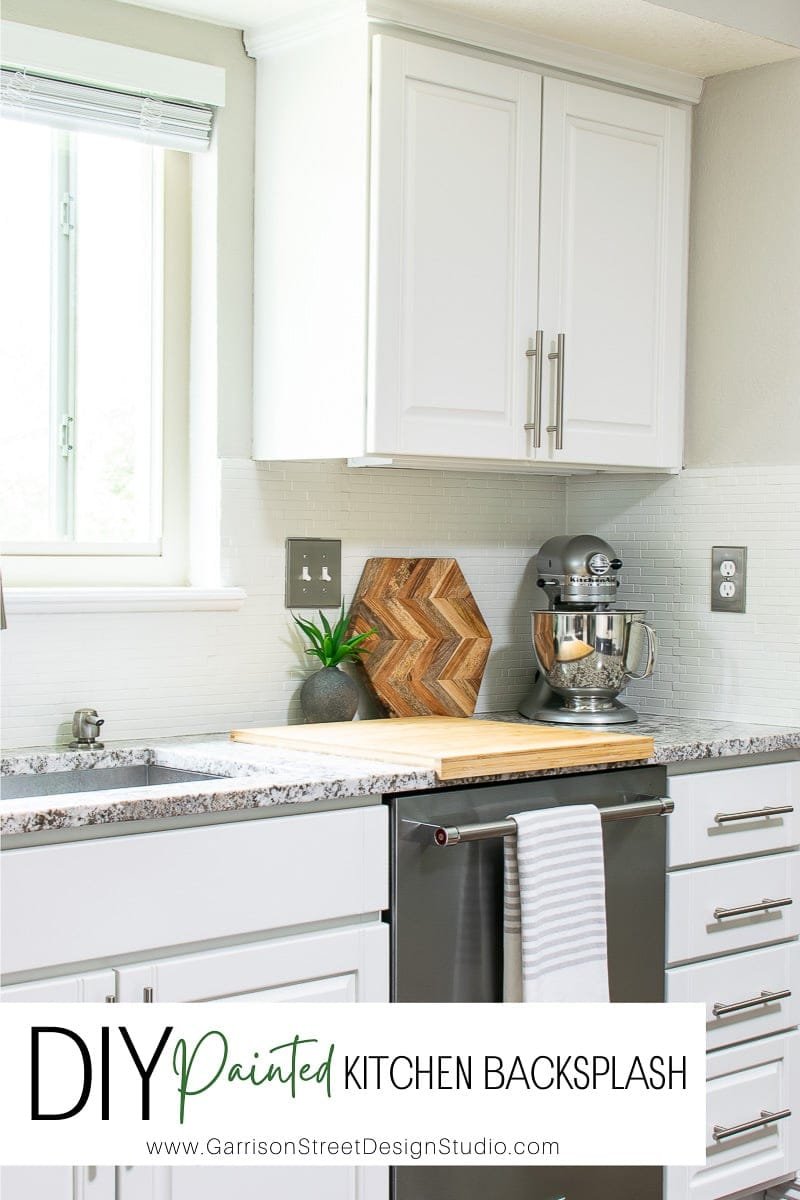
Thinking about giving your kitchen a fresh, stylish look without a major overhaul? Installing a backsplash on a painted wall might be just what you need.
Not only does it add a pop of personality, but it also protects your walls from spills and splatters. Imagine transforming your cooking space into a vibrant, inviting area that inspires you every day. Whether you’re a seasoned DIY enthusiast or a first-time home improver, this guide will simplify the process.
We’ll walk you through each step, ensuring you feel confident and excited to tackle this project. Ready to enhance your kitchen’s aesthetic and functionality? Let’s dive into the details!
Tools And Materials Needed
Installing a kitchen backsplash on a painted wall requires specific tools and materials. The right items make the job easier and the finish cleaner. Prepare everything before starting to avoid delays and mistakes. This section covers the essential tools, how to choose a backsplash, and the supplies needed to prepare the surface properly.
Essential Tools
- Tape measure for accurate measurements
- Level to ensure straight tile placement
- Notched trowel for spreading adhesive evenly
- Tile cutter or wet saw for precise cuts
- Rubber grout float to apply grout smoothly
- Utility knife for trimming backing or caulk
- Sponge for cleaning excess grout
- Painter’s tape to protect edges
- Drill with mixing attachment for adhesive
Choosing The Right Backsplash
Select a backsplash material that suits your style and kitchen use. Popular options include ceramic tiles, glass tiles, peel-and-stick tiles, and natural stone. Consider durability, water resistance, and ease of cleaning. Peel-and-stick tiles work well for painted walls and beginners. Ceramic and glass tiles offer more design variety but need more skill to install.
Surface Preparation Supplies
- Cleaning solution to remove grease and dirt
- Sandpaper or sanding block to roughen glossy paint
- Primer to improve adhesive bonding
- Caulk to seal edges and gaps
- Drop cloth to protect countertops and floors
- Rags or paper towels for wiping surfaces
Preparing The Painted Wall
Preparing the painted wall is a crucial step before installing a kitchen backsplash. A clean and smooth surface ensures the backsplash sticks well and lasts longer. This process involves cleaning, fixing any damage, and sanding the wall.
Cleaning The Surface
Remove dust, grease, and dirt from the wall. Use a mild detergent mixed with water for cleaning. Wipe the surface with a sponge or cloth. Rinse with clean water and let it dry completely. A clean wall helps the adhesive bond better.
Repairing Imperfections
Check the wall for cracks, holes, or peeling paint. Fill small holes and cracks with spackle or wall filler. Use a putty knife to smooth the filler. Allow it to dry fully. Large damaged areas may need patching or repainting. A smooth surface prevents bumps under the backsplash.
Sanding For Better Adhesion
Lightly sand the wall using fine-grit sandpaper. Sanding removes glossy paint and rough spots. This creates a slightly rough texture for the adhesive to grip. Wipe off the sanding dust with a damp cloth. A well-sanded wall improves backsplash attachment and durability.
Measuring And Planning Layout
Measuring and planning your kitchen backsplash layout is crucial to avoid costly mistakes and achieve a professional look. Taking your time here means your tiles will align perfectly and cover the right areas without awkward gaps or cuts. Let’s break down how to measure and plan effectively before you start sticking tiles to the wall.
Taking Accurate Measurements
Start by measuring the width and height of the wall space where your backsplash will go. Use a reliable tape measure and write down the exact numbers to avoid confusion later.
Don’t forget to account for electrical outlets, switches, or any wall features that might interrupt your tile placement. Measuring twice can save you from wasting tiles and frustration.
Marking Guidelines
Once you have your measurements, use a level and pencil to draw horizontal and vertical guidelines on the wall. These lines will act as your reference points to keep tiles straight as you install them.
Marking the center point of your backsplash area helps you plan a balanced layout, especially if your tiles are patterned or have distinct edges. How might your space look if your tiles aren’t perfectly aligned?
Dry Fitting Tiles
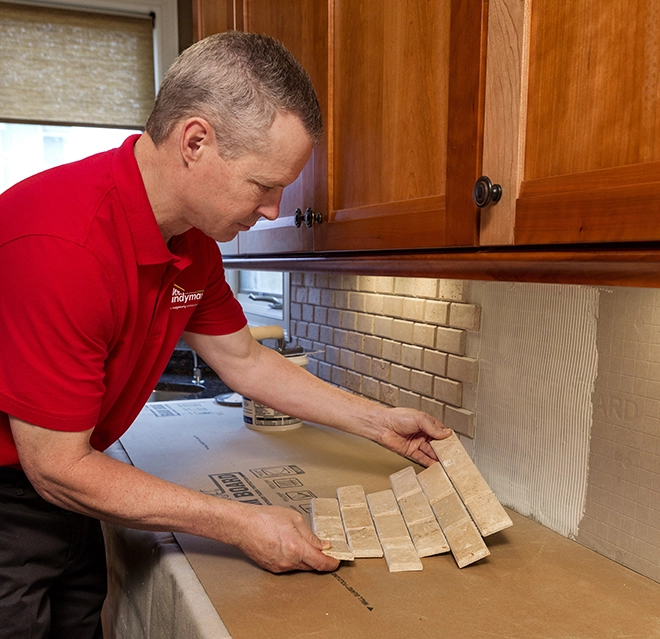
Before applying any adhesive, lay out your tiles on a flat surface or directly on the wall following your guidelines. This “dry fitting” step lets you see how the tiles fit together and where cuts will be necessary.
You might discover that shifting a tile or adjusting grout spacing improves the overall appearance. This trial run prevents surprises once the adhesive is applied, saving you time and effort.
Applying Adhesive
Applying adhesive is a crucial step when installing a kitchen backsplash on a painted wall. The right adhesive ensures your backsplash stays firmly in place and lasts for years. It’s not just about sticking tiles; it’s about choosing the best product and spreading it correctly to avoid future problems like peeling or uneven surfaces.
Selecting Suitable Adhesive
Not all adhesives work well on painted walls. You need one designed for smooth, non-porous surfaces to guarantee a strong bond. Look for a high-quality mastic or thin-set mortar labeled safe for painted drywall or previously painted surfaces.
Consider these points when choosing your adhesive:
- Is it water-resistant? Kitchens often have moisture and spills.
- Does it dry clear or white? This matters if your backsplash is translucent or light-colored.
- Is it easy to clean up? Some adhesives dry hard and can be tough to remove if you make a mistake.
Have you ever had tiles come loose after a few months? That’s often because the wrong adhesive was used. Picking the right one can save you from this frustration.
Spreading Adhesive Evenly
How you apply the adhesive is just as important as the type you choose. Uneven spreading can cause tiles to sit crooked or not stick properly. Use a notched trowel to create consistent ridges, which help the adhesive grip the tiles better.
Follow these tips for even application:
- Apply a thin layer first, then comb through it with the notched edge.
- Work in small sections to prevent the adhesive from drying before you place the tiles.
- Keep your trowel at a 45-degree angle for best results.
Remember, patience here pays off. Taking time to spread the adhesive evenly means your backsplash will look professional and hold strong. Have you tested your adhesive application on a scrap piece of wall? It can give you confidence before tackling the whole backsplash.
Installing The Backsplash
Installing a kitchen backsplash on a painted wall requires careful attention to detail. The process involves placing tiles evenly, maintaining straight lines, and cutting tiles to fit tight spaces. Proper installation ensures the backsplash looks neat and lasts long. Follow these steps for a smooth installation experience.
Placing Tiles Correctly
Start by applying a thin layer of adhesive on the wall with a notched trowel. Press each tile firmly into the adhesive. Begin from the center and work outward to keep the design balanced. Check that tiles stick well and sit flat against the wall. Wipe away excess adhesive quickly to prevent hardening on tile surfaces.
Using Spacers For Alignment
Insert spacers between tiles to keep consistent gaps. Spacers ensure straight grout lines and a professional finish. Use small plastic spacers that fit your tile size. Remove spacers only after the adhesive dries. This keeps tiles from shifting and maintains uniform spacing throughout the backsplash.
Cutting Tiles To Fit
Measure the space carefully where tiles need to fit. Use a tile cutter or wet saw to make clean cuts. Score the tile surface and snap it along the line for straight cuts. For curved or small cuts, use tile nippers or a glass cutter. Always wear safety goggles and gloves while cutting tiles. Smooth rough edges with a sanding stone before placing the tile.

Credit: www.create-enjoy.com
Grouting And Sealing
Grouting and sealing are key steps in installing a kitchen backsplash on a painted wall. These steps fill gaps and protect tiles from stains and moisture. Proper grouting ensures your backsplash looks smooth and lasts long. Sealing adds a layer of defense to keep grout clean and strong.
Mixing Grout
Start by mixing grout with water in a clean bucket. Follow the package instructions for the right ratio. Stir well to get a smooth, thick paste. Avoid lumps. Let it sit for a few minutes, then stir again before use.
Applying Grout Between Tiles
Use a rubber float to spread grout over the tiles. Press the grout firmly into the gaps. Hold the float at a 45-degree angle for even application. Work in small sections for better control. Make sure all spaces are fully filled.
Cleaning Excess Grout
Wipe off extra grout with a damp sponge soon after applying. Use circular motions to clean tile surfaces gently. Rinse the sponge often to avoid smearing grout. Wait about 30 minutes, then polish tiles with a dry cloth to remove haze.
Sealing For Durability
After grout dries, apply a grout sealer to protect against stains and moisture. Use a small brush or applicator bottle to cover grout lines evenly. Let the sealer soak in for the time recommended. Wipe off any extra sealer to keep tiles shiny.
Final Touches
After you’ve installed your kitchen backsplash on a painted wall, the final touches are what truly bring everything together. These steps not only improve the look but also protect your work and ensure it lasts. Paying attention to details now saves you from headaches later.
Caulking Edges
Caulking the edges between the backsplash and the wall or countertop seals gaps and prevents water from sneaking behind the tiles. Use a paintable, waterproof caulk that matches your grout color for a seamless finish.
Apply a thin bead of caulk along the edges, then smooth it out with a damp finger or a caulk tool. This step may seem small, but it makes a big difference in preventing moisture damage and keeps your backsplash looking polished.
Cleaning The Finished Backsplash
Once the caulk is dry, clean the tiles thoroughly to remove any dust, grout haze, or fingerprints. Use a soft cloth and a mild cleaner designed for your tile type to avoid damaging the surface.
Try wiping in circular motions and avoid harsh scrubbing, which can dull the tiles. A clean backsplash not only looks great but also helps you spot any imperfections that might need touch-ups.
Maintaining Your Backsplash
How often do you think about your backsplash after installation? Regular maintenance keeps it looking fresh and prevents long-term damage.
Wipe down your backsplash weekly with a mild detergent and water to prevent grease and grime buildup. Avoid abrasive cleaners, and if you notice grout discoloration, a quick grout refresher can restore its original color without major effort.
Taking care of your backsplash this way means you won’t have to redo the entire installation anytime soon. What small habit can you add to your kitchen routine to protect your beautiful backsplash?
Credit: www.mrhandyman.com
Credit: crystelmontenegrohome.com
Frequently Asked Questions
How Do I Prepare A Painted Wall For Backsplash Installation?
Clean the wall thoroughly to remove grease and dirt. Lightly sand the surface to improve adhesion. Ensure the wall is dry before applying backsplash materials.
What Materials Are Best For Kitchen Backsplash On Painted Walls?
Ceramic tiles, peel-and-stick tiles, and glass tiles work well. Choose materials that are easy to install and compatible with painted surfaces.
Can I Install Backsplash Directly On Painted Drywall?
Yes, if the paint is in good condition and not peeling. Proper surface preparation, like cleaning and sanding, is essential for strong adhesion.
How Long Does It Take To Install A Kitchen Backsplash?
Installation typically takes 2 to 4 hours for a small area. Drying and grout curing may require additional 24 to 48 hours.
Conclusion
Installing a kitchen backsplash on a painted wall is simple and rewarding. Prepare the surface well and choose the right adhesive. Take your time to place the tiles carefully. Small steps lead to great results. Your kitchen will look fresh and neat.
Enjoy the new style and easy-to-clean wall. This project adds value without much cost or hassle. Try it yourself and see the difference it makes.