Do Countertop Ice Makers Use a Lot of Electricity? Find Out
Many people love having ice ready at home. Ice helps cool drinks fast. It is great for parties and hot days. But some ask, do countertop ice makers use a lot of electricity? This question is important. Electric bills matter to everyone. This article explains how much power these machines use. It also gives tips to save energy.
What Is a Countertop Ice Maker?
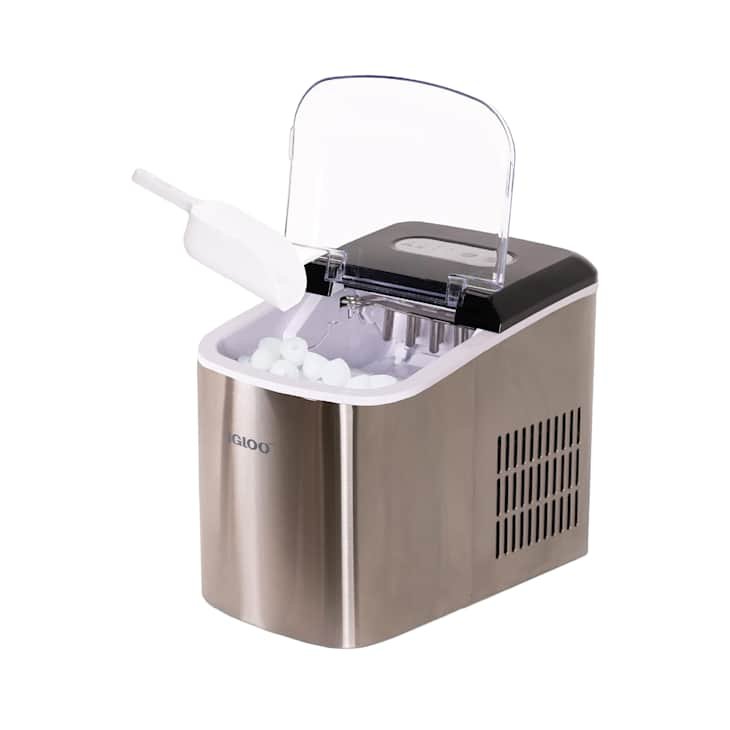
A countertop ice maker is a small machine. It sits on your kitchen counter. You can plug it into a wall socket. The machine quickly makes ice cubes. It does not need a water line. You just add water by hand. The ice is ready in 6 to 15 minutes.
These machines are popular for many reasons:
- They are easy to use.
- They make ice fast.
- They are portable and small.
- No plumbing needed.
How Much Electricity Does a Countertop Ice Maker Use?
Electricity use depends on the machine size and design. Most countertop ice makers use between 100 to 200 watts. Watts measure how much power something uses. For example, a 150-watt ice maker uses 150 watts per hour.
To understand better, let’s look at some numbers:
| Machine Power (Watts) | Running Time (Hours per Day) | Energy Used (kWh per Day) | Energy Used (kWh per Month) |
|---|---|---|---|
| 100 W | 2 hours | 0.2 kWh | 6 kWh |
| 150 W | 3 hours | 0.45 kWh | 13.5 kWh |
| 200 W | 4 hours | 0.8 kWh | 24 kWh |
Most users run the machine a few hours daily. The table shows energy use if running 2-4 hours a day.
Is This a Lot of Electricity?
To know if this is a lot, compare with other appliances. Here are some common examples:
- Microwave oven: 600 to 1200 watts
- Refrigerator: 100 to 800 watts (runs all day)
- Light bulb: 10 to 60 watts
Countertop ice makers use less power than a microwave. But they use more than a light bulb. It is important to remember ice makers do not run all day.
They only run to make ice. Once ice is ready, the machine stops. So, energy use stays low.
How Does Ice Maker Energy Use Compare to a Fridge Ice Maker?
Many fridges have built-in ice makers. Do they use more or less electricity?
Built-in ice makers use the fridge’s power. This means the fridge runs more often. The compressor works harder to make ice and cool the fridge.
Countertop ice makers work independently. They only use power when making ice. This can be more energy-efficient if you only need ice sometimes.
However, if you use a lot of ice every day, a fridge ice maker may be better. It makes ice continuously without extra machines.
.jpg "Do Countertop Ice Makers Use a Lot of Electricity? Find Out 2")
Credit: www.bonappetit.com
What Factors Affect Ice Maker Electricity Use?
Several things change how much power your ice maker uses:
- Machine Size: Bigger machines use more power.
- Ice Production Speed: Faster machines may use more electricity.
- Water Temperature: Cold water freezes faster. Warm water uses more energy.
- Room Temperature: Hot rooms make the machine work harder.
- Ice Cube Size: Larger cubes take more time and power to freeze.
How to Save Electricity When Using a Countertop Ice Maker
You can save energy with simple steps. Here are tips to use less electricity:
- Use Cold Water: Always add cold water. It freezes faster.
- Place in Cool Area: Keep the machine away from heat or sunlight.
- Turn Off When Not Needed: Do not run the machine all day.
- Clean Regularly: Clean the machine to keep it working well.
- Choose Energy-Efficient Models: Look for low wattage or energy-saving labels.

Credit: www.ctvnews.ca
How Much Will It Add to Your Electric Bill?
Electric bills depend on your local rates. Let’s do a simple cost example.
If electricity costs $0.12 per kWh, and your ice maker uses 0.5 kWh per day:
- 0.5 kWh/day × $0.12 = $0.06 per day
- $0.06/day × 30 days = $1.80 per month
This cost is low. It is less than a dollar per week. So, countertop ice makers do not add much to your bill.
Should You Worry About Electricity Use?
For most people, countertop ice makers do not use too much electricity. They are small machines with short run times.
If you only need ice now and then, the energy use is very low. If you run it many hours daily, the cost can add up.
But still, it will be less than many other home appliances. For example, air conditioners and heaters use much more power.
Frequently Asked Questions
Do Countertop Ice Makers Consume A Lot Of Electricity?
Countertop ice makers use a moderate amount of electricity, similar to small kitchen appliances.
How Much Power Does A Countertop Ice Maker Use Daily?
Most models use about 100-150 watts per hour during ice production.
Can Using A Countertop Ice Maker Increase My Electricity Bill?
Using it regularly may slightly raise your electricity bill, depending on usage time.
Are Countertop Ice Makers Energy Efficient?
Many models are designed to be energy efficient, using less power than larger machines.
Conclusion
Countertop ice makers use a moderate amount of electricity. Usually between 100 and 200 watts while running.
They do not run all the time. Just enough to make ice. This means total energy use is low.
Compared to other appliances, they use little power. A few cents per day on your electric bill.
You can save energy by using cold water, placing the machine in cool spots, and turning it off when not needed.
Overall, if you want ice fast and easy, countertop ice makers are a good choice. They do not cause high electricity costs.
Now you know the facts. You can decide if a countertop ice maker fits your home and budget.

Ethan Cole is a kitchen innovation enthusiast and food technology writer at DiningGadgets.com. With over 8 years of experience reviewing cookware, smart kitchen tools, and design trends, he helps readers discover gadgets that make cooking easier and dining more enjoyable. When he’s not testing the latest kitchen appliances, Ethan enjoys experimenting with recipes and sharing practical tips for modern homes.