How to Clean Kitchen Tiles Walls: Easy Tips for a Sparkling Shine
Are the walls of your kitchen looking a bit dull or grimy? You’re not alone.
Kitchen tiles can easily lose their sparkle from cooking splatters, grease, and daily wear and tear. But don’t worry; you can restore their shine with just a little effort. Imagine walking into your kitchen and feeling proud of its gleaming, spotless walls.
In this guide, you’ll discover simple, effective methods to clean your kitchen tile walls without the hassle or expensive products. By the end, you’ll have not only a cleaner kitchen but also a fresh, inviting space that you love to be in. Ready to transform your kitchen? Let’s dive into the step-by-step process to make those tiles sparkle like new again.
:max_bytes(150000):strip_icc()/GettyImages-1543972551-262a8d8a3129466c9c1a98e6cda506c7.jpg "How to Clean Kitchen Tiles Walls: Easy Tips for a Sparkling Shine 2")
Credit: www.marthastewart.com
Choosing The Right Cleaning Tools
Choosing the right cleaning tools is key to maintaining your kitchen tile walls without causing damage. The tools you pick can make your cleaning easier, faster, and more effective. Have you ever tried scrubbing stubborn stains only to make your tiles look dull? The right tools prevent that and help keep your kitchen looking fresh.
Types Of Brushes And Sponges
Different brushes serve different purposes when cleaning tile walls. A soft-bristle brush works well for delicate grout lines, while a stiff-bristle brush tackles tough stains on tiles. If you want to clean corners and edges, a small detail brush is your best friend.
Sponges also come in many varieties. A regular kitchen sponge is good for light dirt, but consider using a scrub sponge with one abrasive side for greasy spots. Avoid overly rough sponges as they can scratch your tiles. Do you know which sponges you currently use might be harming your tile surface?
- Soft-bristle brushes:Gentle on grout and tiles
- Stiff-bristle brushes:Removes tough grime
- Detail brushes:Perfect for corners and edges
- Regular sponges:Ideal for light cleaning
- Scrub sponges:Great for greasy or sticky stains
Selecting Safe Cleaning Cloths
Cleaning cloths might seem simple, but the wrong choice can leave streaks or even damage your tiles. Microfiber cloths are excellent because they trap dirt without scratching surfaces. They also absorb moisture quickly, reducing the risk of water spots.
Avoid using old rags or abrasive cloths that can wear down tile glaze over time. Have you ever noticed streaks after wiping your tiles? Switching to a high-quality microfiber cloth can solve that problem instantly.
Keep a set of cloths dedicated only to tile cleaning to prevent cross-contamination from greasy kitchen towels. This small change can make a big difference in your tile’s cleanliness and longevity.
Effective Cleaning Solutions
Cleaning kitchen tile walls can feel like a tough task, but choosing the right cleaning solution makes all the difference. Effective cleaning solutions not only remove grease and grime but also protect your tiles from damage. Whether you prefer natural ingredients or ready-made products, there’s an option that fits your needs and keeps your kitchen looking fresh.
Homemade Natural Cleaners
Natural cleaners are gentle on your tiles and safe for your family. You might already have many of these ingredients in your kitchen. For example, a mix of vinegar and water works wonders to cut through grease without harsh chemicals.
Try combining equal parts white vinegar and warm water in a spray bottle. Spray on your tile walls and let it sit for a few minutes before wiping with a soft cloth. Adding a few drops of essential oil can improve the smell and add extra cleaning power.
Baking soda is another fantastic natural cleaner. Make a paste by mixing baking soda with a little water, then scrub stubborn stains gently with a sponge. This method is especially useful for grout lines that tend to trap dirt.
Commercial Cleaning Products
If you prefer something ready to use, commercial cleaners designed for tile walls can save time and effort. Look for products labeled safe for ceramic or porcelain tiles to avoid damage.
Many commercial options come with grease-fighting formulas that make quick work of kitchen messes. However, always test a small area first to make sure the cleaner doesn’t discolor your tiles.
Using a commercial cleaner with a built-in disinfectant can also help eliminate bacteria and keep your kitchen hygienic. Have you ever noticed how certain products leave a streak-free shine? That’s the kind of finish that makes your kitchen walls look brand new.
Step-by-step Cleaning Process
Cleaning kitchen tile walls can seem tough. A clear process makes it easier. Follow these simple steps for fresh, shiny tiles. The right approach keeps your kitchen looking great.
Preparing The Area
Remove any items near the walls. Clear countertops and furniture. Cover nearby surfaces with a cloth or plastic sheet. This protects them from splashes and spills. Gather your cleaning tools and solutions before starting.
Applying The Cleaner
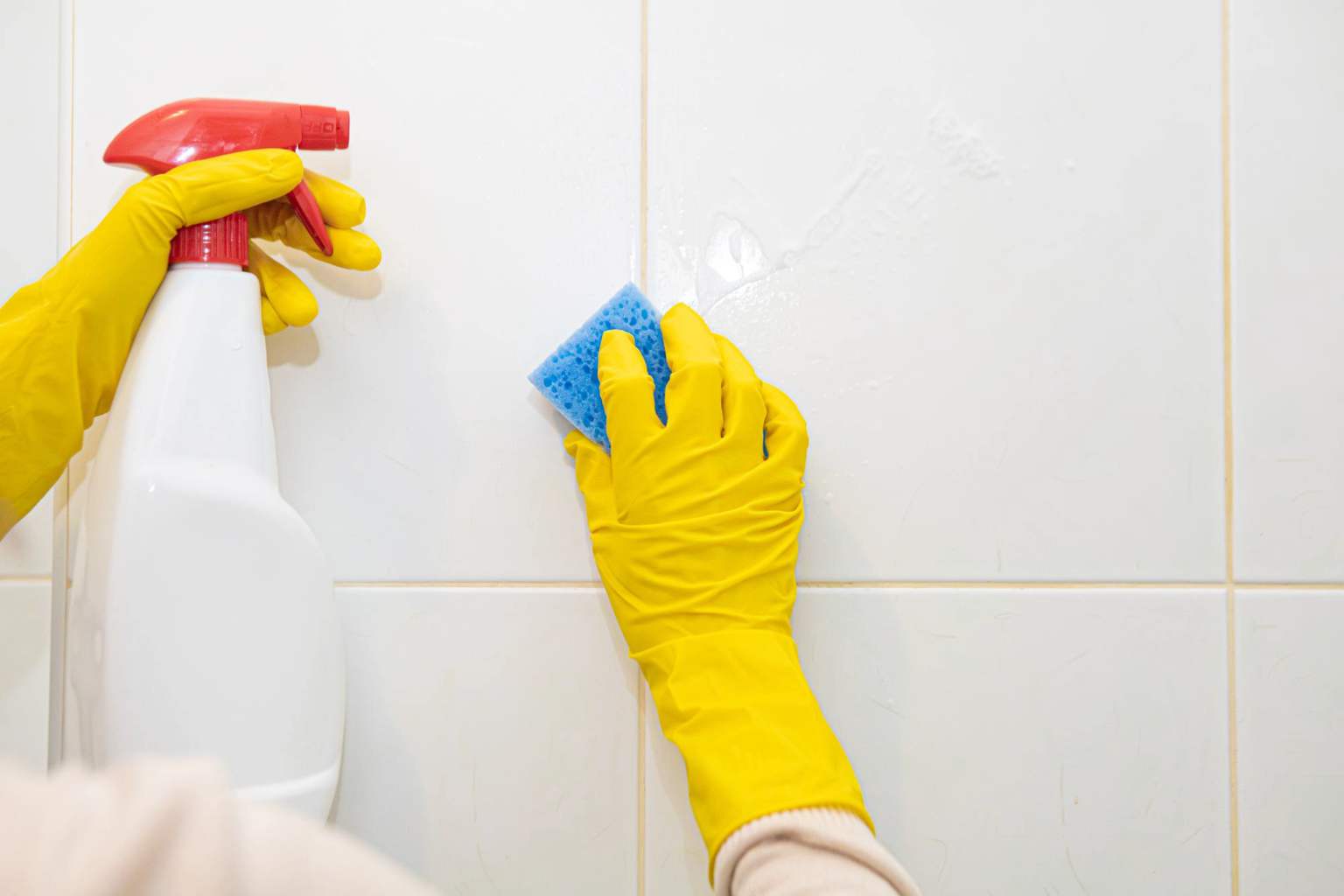
Choose a cleaner suitable for tile and grout. Spray or apply the cleaner evenly on the wall. Focus on areas with stains or grease. Let the cleaner sit for a few minutes to loosen dirt. Avoid letting it dry completely on the tiles.
Scrubbing Techniques
Use a soft brush or sponge to scrub tiles gently. Pay special attention to grout lines. Use small circular motions for stubborn spots. Avoid harsh scrubbing to protect tile surfaces. For tough stains, apply cleaner again and scrub lightly.
Rinsing And Drying
Rinse the tiles with clean, warm water. Use a sponge or cloth to remove all cleaner residue. Wipe tiles dry with a soft towel or microfiber cloth. This prevents water spots and streaks. Open windows or use a fan to help tiles dry faster.
Removing Tough Stains
Removing tough stains from kitchen tile walls can feel like a daunting task, especially when grease, grime, mold, or mildew set in deeply. However, with the right approach and materials, you can restore your tiles to their original shine without harsh scrubbing or expensive products. Let’s look at effective ways to tackle these stubborn stains and keep your kitchen walls looking fresh and clean.
Dealing With Grease And Grime
Grease and grime are common culprits on kitchen tiles, especially near the stove and countertop areas. You don’t need heavy-duty chemicals to break them down; a simple mixture of warm water and dish soap often does the trick.
Try this: mix a few drops of dish soap with warm water in a spray bottle. Spray the solution generously onto the greasy areas and let it sit for 5-10 minutes. Then, scrub gently with a soft brush or sponge to lift the grease without scratching the tiles.
If the stain persists, add a splash of white vinegar to your soapy water. The vinegar cuts through the grease naturally and leaves a streak-free finish. Have you noticed how vinegar can clean surfaces without leaving that harsh chemical smell?
Eliminating Mold And Mildew
Mold and mildew thrive in damp kitchen corners or grout lines, posing both an aesthetic and health concern. Baking soda is your friend here—it’s non-toxic and works wonders to remove these stubborn spots.
Create a paste using baking soda and water, then apply it directly to the moldy areas. Let it sit for 10-15 minutes to penetrate the grime. Next, scrub with a toothbrush or small brush to reach into grout lines and rinse thoroughly with warm water.
For more persistent mold, spray undiluted white vinegar onto the affected tiles. Vinegar’s acidity kills mold spores effectively. Remember to ventilate your kitchen well while using vinegar to keep the air fresh.
Ever tried these simple household items to clean tough stains? They’re easy, budget-friendly, and surprisingly effective. What other natural ingredients have you found useful in your cleaning routine?
Maintaining Tile Shine
Keeping your kitchen tile walls shiny isn’t just about cleaning them once in a while. It’s about building habits that protect and preserve their sparkle every day. Maintaining that fresh, glossy look can turn your kitchen into a space you truly enjoy spending time in.
Regular Cleaning Habits
Make it a habit to wipe your tile walls regularly, even if they don’t look dirty. A simple mix of warm water and mild dish soap applied with a soft cloth can prevent grime buildup before it gets stubborn.
Try to avoid harsh chemicals that can dull the shine over time. Instead, use natural cleaners like vinegar diluted with water for a gentle yet effective clean. Do you clean your tiles as often as you clean other kitchen surfaces?
Don’t forget to dry the tiles after cleaning. Leaving them wet can cause water spots and mineral deposits that steal their shine. A microfiber cloth works best here—soft and streak-free.
Preventive Measures
Prevent stains and damage by addressing spills immediately. Acidic substances like lemon juice or tomato sauce can etch the tile surface if left too long.
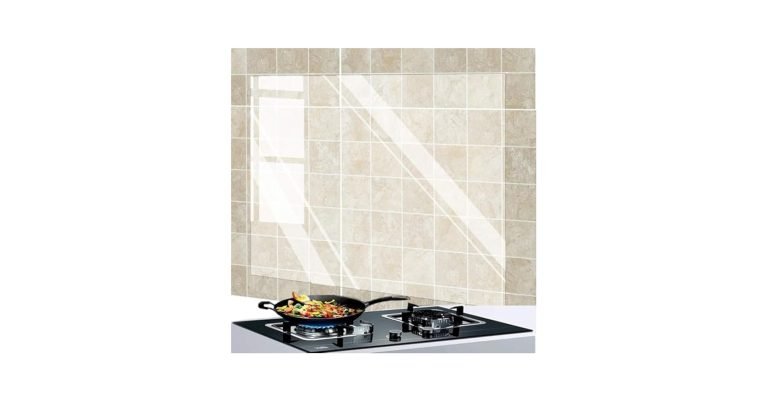
Consider applying a tile sealant if your walls aren’t sealed yet. This creates a protective layer that repels dirt and moisture, keeping your tiles looking newer for longer.
Also, watch out for abrasive scrubbing tools. Using steel wool or rough brushes scratches the tile surface, making them dull and harder to clean later. Have you noticed any scratches on your tiles that affect their shine?
Credit: www.cmu.fr
Avoiding Common Mistakes
Cleaning kitchen tile walls might seem straightforward, but many people make mistakes that can damage the tiles or leave stains behind. Avoiding these common errors can save you time and keep your kitchen looking fresh longer. Let’s look at what you should watch out for during your cleaning routine.
Using Harsh Chemicals That Damage Tiles
Strong cleaners like bleach or ammonia can erode grout and dull tile surfaces. Instead, opt for gentle solutions such as vinegar diluted with water or a mild dish soap. Have you ever noticed your tiles looking cloudy after a cleaning session? That could be from harsh chemicals stripping away the finish.
Scrubbing Too Hard With Abrasive Tools
Scrubbing tiles with steel wool or rough brushes can scratch the surface. Soft sponges or microfiber cloths clean effectively without causing damage. Think about your last cleaning—did you use a rough scrubber? If yes, consider switching to gentler options next time.
Ignoring Grout Maintenance
Grout often gets overlooked but is prone to stains and mold buildup. Use a specialized grout cleaner or a baking soda paste to keep it bright. Skipping this step can make your walls appear dirty even if the tiles shine.
Not Testing Cleaners On A Small Area First
Some cleaning products react poorly with certain tile types. Testing on a hidden spot helps avoid unexpected discoloration or damage. Have you tried a new cleaner before on just a small patch? This simple check can prevent costly mistakes.
Allowing Water To Sit On Tiles
Water left on tiles or grout can encourage mold and water stains. Always dry the surface after cleaning with a soft cloth. Do you leave tiles wet after washing? Try drying them next time to see the difference.
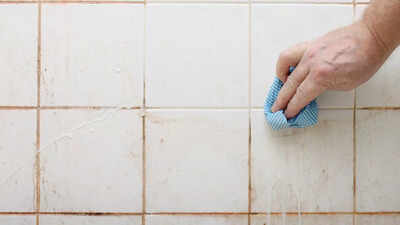
Credit: timesofindia.indiatimes.com
Frequently Asked Questions
How Often Should I Clean Kitchen Tile Walls?
Cleaning kitchen tile walls weekly prevents grime buildup and maintains shine. Regular cleaning stops mold and stains, keeping tiles fresh and hygienic.
What Is The Best Cleaner For Kitchen Tile Walls?
Use a mild detergent mixed with warm water for daily cleaning. For tough stains, try a vinegar and water solution or a baking soda paste.
Can I Use Bleach To Clean Kitchen Tile Walls?
Yes, bleach can remove mold and mildew but dilute it properly. Avoid excessive use as it may damage grout and tile surfaces.
How Do I Remove Grease From Kitchen Tile Walls?
Apply a mixture of warm water and dish soap to greasy areas. Scrub gently with a soft brush, then rinse with clean water and dry.
Conclusion
Cleaning kitchen tile walls keeps your space fresh and bright. Use gentle cleaners and soft brushes to avoid damage. Regular wiping stops dirt and grease buildup. Don’t forget to dry tiles well after cleaning. Small efforts often lead to big results.
Keep your kitchen walls looking neat and tidy easily. A clean kitchen feels welcoming every day. Simple steps make tile cleaning less of a chore. Give your kitchen the care it deserves.