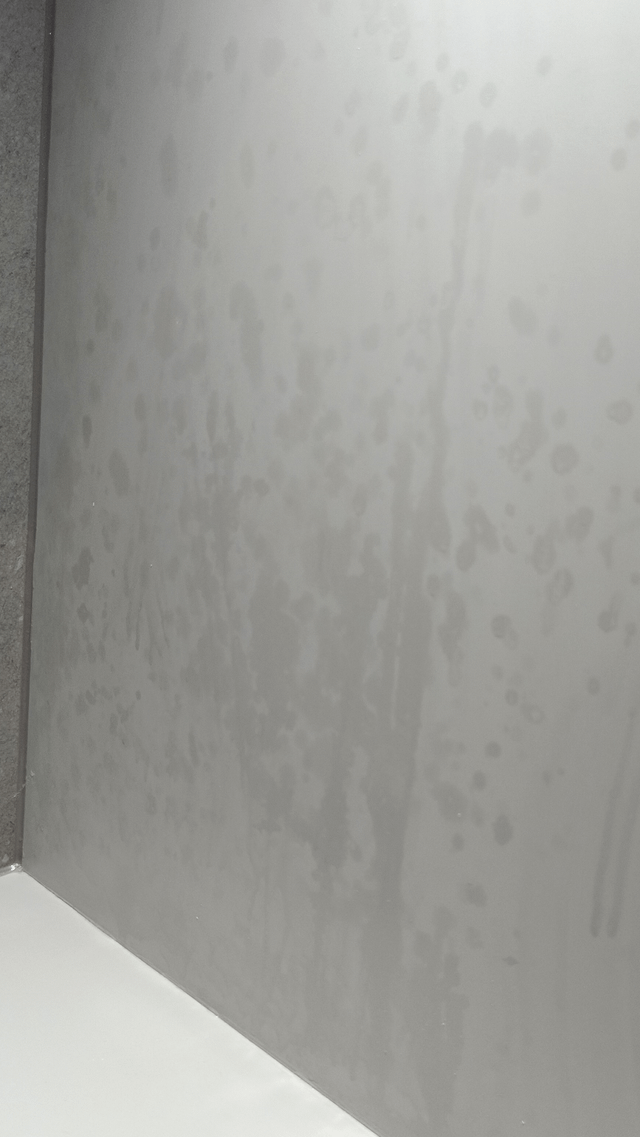
How to Remove Oil Stains from Kitchen Wall: Easy & Effective Tips
Are oil stains ruining the look of your kitchen wall? You’re not alone, and the good news is that removing them is easier than you think.
Imagine walking into your kitchen and seeing clean, fresh walls instead of stubborn grease marks. In this guide, you’ll discover simple, effective methods to get rid of those pesky oil stains for good. Keep reading, and you’ll learn quick tips that save your time and make your kitchen shine like new.
Your walls will thank you!

Credit: www.aol.com
Causes Of Oil Stains On Kitchen Walls
Oil stains on kitchen walls can be a frustrating sight, especially when you want your cooking space to look clean and inviting. Understanding what causes these stains is the first step to preventing them and keeping your kitchen fresh. Let’s look at how oil makes its way onto your walls and why it clings there.
Common Sources Of Kitchen Oil
Oil in the kitchen doesn’t just stay in the pan. It often escapes into the air during cooking and lands on nearby surfaces.
- Frying and Sautéing:Hot oil splatters during frying or sautéing are a major culprit. Even a small flick can send tiny droplets flying.
- Boiling and Simmering:Steam mixed with oil vapors can rise and settle on walls, especially if ventilation is poor.
- Grease from Food:Handling greasy foods or touching walls with oily hands can leave marks.
- Cooking Appliances:Ovens, stovetops, and microwaves often emit grease particles that accumulate over time.
Have you noticed how certain cooking smells linger longer on walls? That’s oil vapor settling in places you might not expect.
How Oil Stains Develop
Oil stains don’t appear instantly; they build up gradually with repeated exposure.
When cooking oil heats up, it turns into tiny airborne droplets or vapors. These particles drift and settle on cooler surfaces like your kitchen walls.
Once on the surface, oil attracts dust and dirt, making stains more visible and stubborn. Without regular cleaning, these layers harden and darken, creating noticeable marks.
Think about the last time you cleaned your kitchen walls. Did you notice a sticky or greasy texture? That’s oil waiting to become a stain.

Credit: www.youtube.com
Tools And Materials Needed
Removing oil stains from your kitchen wall requires the right tools and materials. Having these ready before you start saves time and effort. You might think a simple wipe is enough, but stubborn grease demands more precise supplies.
Household Cleaning Supplies
You can often tackle oil stains using items you already have at home. Dish soap is a powerful grease cutter and usually the first thing I reach for. Mixing it with warm water creates an effective cleaning solution that’s gentle on your walls.
- Dish soap:Choose one designed for grease removal.
- Warm water:Helps dissolve oil and improves cleaning.
- Soft sponge or cloth:Prevents damage to paint or wallpaper.
- Baking soda:Acts as a mild abrasive to lift tougher stains.
- White vinegar:Neutralizes grease and deodorizes.
Have you ever tried scrubbing with just water and ended up smearing the stain? That’s why these household items make a significant difference.
Specialized Cleaning Products
For persistent stains, sometimes household supplies aren’t enough. Specialized cleaners target oil and grease more aggressively without harming your kitchen walls. I remember using a commercial degreaser that removed a set-in stain in minutes, saving me hours of scrubbing.
- Commercial degreaser:Look for kitchen-safe formulas.
- Magic eraser sponges:Effective for stubborn marks but use gently.
- Wall cleaner sprays:Designed for painted or wallpapered surfaces.
Would you rather spend extra minutes scrubbing or invest in a product that finishes the job fast? Picking the right cleaner can make all the difference in your cleaning routine.
Preparation Before Cleaning
Preparing the kitchen wall before cleaning oil stains helps avoid damage and mess. It makes the cleaning process safer and more effective. Taking time to prepare can save effort later.
Protecting Surrounding Areas
Cover nearby surfaces with plastic sheets or old towels. This stops cleaning liquids from dripping on cabinets or floors. Remove any fragile items close to the wall. Keep the kitchen well-ventilated by opening windows or turning on fans.
Testing Cleaning Solutions
Try cleaning solutions on a small hidden spot first. This checks if the solution harms paint or wallpaper. Wait a few minutes to see any reaction. Use mild cleaners like diluted dish soap or vinegar for testing. Avoid harsh chemicals without testing to prevent damage.
Step-by-step Cleaning Methods
Removing oil stains from your kitchen wall can seem tricky, but with the right approach, it’s manageable and even satisfying. The key is to use gentle yet effective cleaning methods that tackle grease without damaging your paint or wallpaper. Below are practical, easy-to-follow techniques that you can try with common household items or store-bought products.
Using Dish Soap And Warm Water
Dish soap is designed to cut through grease, making it a great first choice for oil stains. Mix a few drops of dish soap with warm water in a bucket or spray bottle.
- Dip a soft cloth or sponge into the soapy water.
- Gently scrub the stained area in circular motions.
- Rinse with clean water and pat dry with a towel.
Did you know that using too much soap can leave a residue? Keep the solution mild to avoid this problem.
Applying Baking Soda Paste
Baking soda acts as a gentle abrasive and deodorizer, perfect for stubborn oil marks. Create a paste by mixing baking soda with a little water until it looks like thick toothpaste.
- Spread the paste over the stain using a soft cloth.
- Let it sit for 10-15 minutes to absorb the oil.
- Wipe off with a damp cloth and dry the area.
This method is especially helpful if your wall has textured paint that traps grease. How often do you check those hidden spots?
Cleaning With Vinegar Solution
Vinegar is a natural degreaser and disinfectant. Combine equal parts white vinegar and water in a spray bottle for an easy-to-use solution.
- Spray the solution onto the stained wall.
- Let it sit for 5 minutes before wiping with a clean cloth.
- If the stain persists, repeat the process once more.
Be cautious if your wall finish is delicate—test a small hidden area first. What if this simple solution becomes your go-to cleaner?
Utilizing Commercial Degreasers
For tough oil stains, commercial degreasers can be a lifesaver. Choose one labeled safe for painted surfaces to avoid damage.
- Follow the manufacturer’s instructions carefully.
- Apply the degreaser with a sponge or cloth directly onto the stain.
- Allow it to work for the recommended time before wiping clean.
These products often contain powerful ingredients, so make sure your kitchen is well-ventilated during use. Have you ever found a product that worked surprisingly well?
Dealing With Stubborn Stains
Stubborn oil stains on kitchen walls need special care. They stick deep and resist simple cleaning. Patience and the right methods clear these tough marks. Do not rush the process. Gentle but firm action works best.
Scrubbing Techniques
Use a soft sponge or cloth to avoid wall damage. Apply gentle pressure and scrub in small circles. Avoid harsh brushes that can scratch paint or wallpaper. Let the cleaner sit on the stain for a few minutes before scrubbing. This softens the oil, making it easier to remove. Rinse the sponge often to avoid spreading oil.
Multiple Cleaning Attempts
One clean may not remove all stain traces. Repeat the process several times if needed. Each cleaning lightens the stain until it fades completely. Wait a few minutes between attempts to let the wall dry. This helps assess progress and prevents over-wetting. Consistency beats force in removing tough oil stains.

Credit: en.brilio.net
Preventing Future Oil Stains
Preventing oil stains from reappearing on your kitchen walls is just as important as removing the existing ones. Taking proactive steps can save you time and effort in the long run. It also keeps your kitchen looking fresh and clean every day.
Regular Wall Maintenance
Keeping your kitchen walls clean with regular maintenance reduces the chance of oil build-up. Wiping down surfaces with a mild detergent after cooking helps remove any residue before it becomes a stain.
Try to make this a quick daily habit. Even a simple swipe can prevent stubborn stains from settling in. Have you noticed how small efforts every day make big differences over time?
Using Protective Barriers
Adding protective barriers can stop oil splatters from reaching your walls altogether. Clear acrylic sheets or washable kitchen panels placed behind the stove work wonders.
These barriers are easy to clean and can be removed or replaced as needed. You could also use heat-resistant wallpaper designed to repel grease. What kind of barrier would fit your kitchen style best?
Improving Kitchen Ventilation
Good ventilation helps reduce oil particles floating in the air and settling on your walls. Installing or upgrading your exhaust fan can make a noticeable difference.
Opening windows while cooking also encourages airflow, pushing grease away from surfaces. Have you checked if your kitchen fan is powerful enough to keep the air clean?
When To Call A Professional
Knowing when to call a professional for removing oil stains from your kitchen wall can save you time, effort, and potential damage. While DIY methods work for minor stains, some situations require expert skills and tools. Recognizing these moments helps you protect your walls and maintain your kitchen’s look.
Signs You Need Expert Help
If the oil stain has soaked deep into textured or porous walls, your usual cleaning tricks might not work. Stains that spread over large areas or have been there for months often need professional treatment.
Notice if DIY cleaning attempts leave behind discoloration or damage to the paint or wallpaper. Persistent odors from the stain, despite cleaning, signal that the oil has penetrated too deeply.
Ask yourself: Is the stain growing worse, or has it caused any peeling or bubbling on the wall? These are clear signs it’s time to get expert help.
Choosing The Right Service
Not all cleaning services specialize in oil stain removal. Look for professionals experienced in kitchen wall care and who use safe, non-toxic products.
Check reviews and ask about their process—do they offer stain testing before treatment? Do they guarantee their work without damaging your wall’s finish?
Consider services that provide a free consultation or site inspection. This helps you understand the scope of work and costs upfront, avoiding surprises later.
Frequently Asked Questions
How Can I Quickly Remove Oil Stains From Kitchen Walls?
Use warm water mixed with dish soap and a soft cloth. Gently scrub the stain in circular motions. Rinse with clean water and dry with a towel. This method is effective for fresh and light oil stains.
What Household Items Help Remove Tough Kitchen Oil Stains?
Baking soda, vinegar, and lemon juice work well. Make a paste with baking soda and water, apply it, then scrub gently. Vinegar and lemon juice can break down grease naturally, making stains easier to clean.
Are Commercial Cleaners Safe For Kitchen Wall Oil Stains?
Yes, but choose non-toxic and grease-cutting cleaners. Always test a small area first to avoid paint damage. Follow the product instructions for best results and proper ventilation during use.
How Often Should Kitchen Walls Be Cleaned To Prevent Oil Stains?
Clean kitchen walls weekly to prevent oil buildup. Regular wiping with a mild cleaner reduces stain formation. Prompt cleaning after cooking helps maintain a fresh and stain-free wall surface.
Conclusion
Cleaning oil stains from kitchen walls can be simple and effective. Use basic household items like vinegar and baking soda. These solutions work gently and efficiently. Remember to act quickly on fresh stains. The longer they sit, the harder they become to clean.
Regular maintenance keeps your kitchen walls spotless. Try these easy methods for a cleaner cooking space. Your kitchen deserves care and attention. Enjoy a fresh and inviting environment. With these steps, keep your kitchen walls oil-free and welcoming. Happy cleaning!