How to Remove Old Tiles from Kitchen Wall: Easy Step-by-Step Guide
Are you staring at those old kitchen wall tiles and wondering how to get them off without making a huge mess? Removing tiles can feel like a tough job, but with the right steps, you can do it yourself and give your kitchen a fresh new look.
In this guide, you’ll discover simple, effective methods to safely and quickly remove old tiles from your kitchen wall. By the end, you’ll have the confidence to tackle this project and transform your space. Keep reading to find out exactly how to get started!

Credit: www.reddit.com
Tools And Materials Needed
Removing old tiles from your kitchen wall can be a tough job without the right tools and materials. Having everything you need on hand makes the work faster and safer. Before you start chipping away, gather your supplies to avoid unnecessary stops and frustration.
Essential Safety Gear
Safety should be your top priority. Tiles can shatter and send sharp pieces flying, so protect yourself well.
- Safety goggles:Shield your eyes from flying debris and dust.
- Work gloves:Prevent cuts and scrapes on your hands.
- Dust mask:Keep harmful dust particles out of your lungs.
- Long sleeves and pants:Protect your skin from sharp tile edges.
Have you ever underestimated safety gear and regretted it? Don’t let that happen here.
Basic Tools List
These are the must-have tools that make tile removal possible.
- Hammer:Use for tapping chisels or prying tiles loose.
- Chisel or putty knife:Essential for getting under tiles and lifting them off.
- Utility knife:Score grout lines to weaken the tile hold.
- Scraper:Helps remove leftover adhesive or thinset after tiles come off.
Choosing the right size chisel can make a huge difference. Smaller chisels give better control, while wider ones cover more area quickly.
Optional Helpful Tools
These tools aren’t absolutely necessary but can save you time and effort.
- Oscillating multi-tool with a grout removal blade:Speeds up grout cutting and tile removal.
- Heat gun:Softens adhesive for easier scraping.
- Putty scraper with a long handle:Reduces strain on your wrists during scraping.
- Shop vacuum:Keeps your workspace clean and improves visibility.
Have you tried using power tools for tile removal? They can be game changers but also require steady hands and care.
Preparing The Work Area
Preparing your kitchen wall before removing old tiles is crucial. It saves you time, reduces mess, and keeps your space safe. Taking a moment to set up properly can make the whole process smoother and less stressful.
Clearing And Protecting The Space
Start by removing all items from the kitchen countertops and nearby shelves. You don’t want your favorite dishes or gadgets damaged by flying debris or dust.
Next, cover surfaces that you can’t move with plastic sheets or old blankets. Use painter’s tape to secure these coverings so dust doesn’t slip underneath. Don’t forget the floor—lay down drop cloths or cardboard to protect it from scratches and falling tile pieces.
Think about how you usually work—do you need extra lighting or a fan? Setting these up now helps you avoid interruptions later. Have you checked if your workspace has enough ventilation to clear dust quickly?
Turning Off Utilities
Before you start chipping away, make sure to turn off the water supply if your tiles are near a sink. This prevents any accidental leaks or water damage while you work.
Electricity is another important safety factor. Switch off power to the kitchen walls where you’ll be working. Removing tiles near outlets or switches without doing this can be dangerous.
If you’re unsure which breaker controls your kitchen, test by plugging in a small device or use a voltage tester. Safety first—this simple step could save you a lot of trouble.
Softening The Tiles
Softening the tiles is a key step before removal. It helps loosen the adhesive holding the tiles. This reduces the effort needed to pry tiles off the wall. Softening can protect the wall surface underneath from damage. It also makes the entire process faster and cleaner.
Using Heat Methods
Heat weakens the glue behind the tiles. Use a heat gun or hairdryer on medium heat. Hold it close to the tile surface for several minutes. Move the heat source slowly to avoid overheating one spot. The warmth makes the adhesive soft and pliable.
Be careful not to burn the wall or tiles. After heating, try gently prying a tile with a putty knife. If the tile moves easily, continue with the rest. Heat works best on smaller areas at a time.
Applying Chemical Softeners
Chemical softeners break down the glue holding tiles. Use a commercial tile adhesive remover or a homemade mixture. Apply the chemical with a brush or spray bottle. Let it sit for 15 to 30 minutes to soak in.
Wear gloves and ensure good ventilation during this process. The chemical weakens the glue, making tile removal easier. Test on one tile first to see how well it works. Repeat application if the adhesive stays hard.

Credit: www.angi.com
Removing The Tiles
Removing old tiles from a kitchen wall can seem tough. The key is to work carefully to avoid damaging the wall beneath. Start by identifying any loose tiles. These tiles are easier to remove and help create space to work on the others.
Starting From A Loose Tile
Look for tiles that are already loose or cracked. Gently push or tap them to see if they move. Use your fingers or a flat tool to lift the edge of a loose tile. Removing these first creates room to work on tighter tiles. It also reduces the risk of breaking nearby tiles.
Using A Hammer And Chisel
Choose a hammer and a chisel with a flat, thin blade. Place the chisel at the edge of a tile, close to the grout line. Tap the chisel gently with the hammer to loosen the tile. Work slowly and carefully to avoid damaging the wall. Keep the chisel at a low angle to slide under the tile.
Prying Tiles Safely
Use a pry bar or a strong putty knife to lift stubborn tiles. Slide the tool under the tile edge and apply gentle pressure. Move the tool along the tile edge to loosen it evenly. Avoid forcing the tile too hard to prevent wall damage. Wear gloves and safety glasses to protect yourself from sharp edges.
Dealing With Adhesive Residue
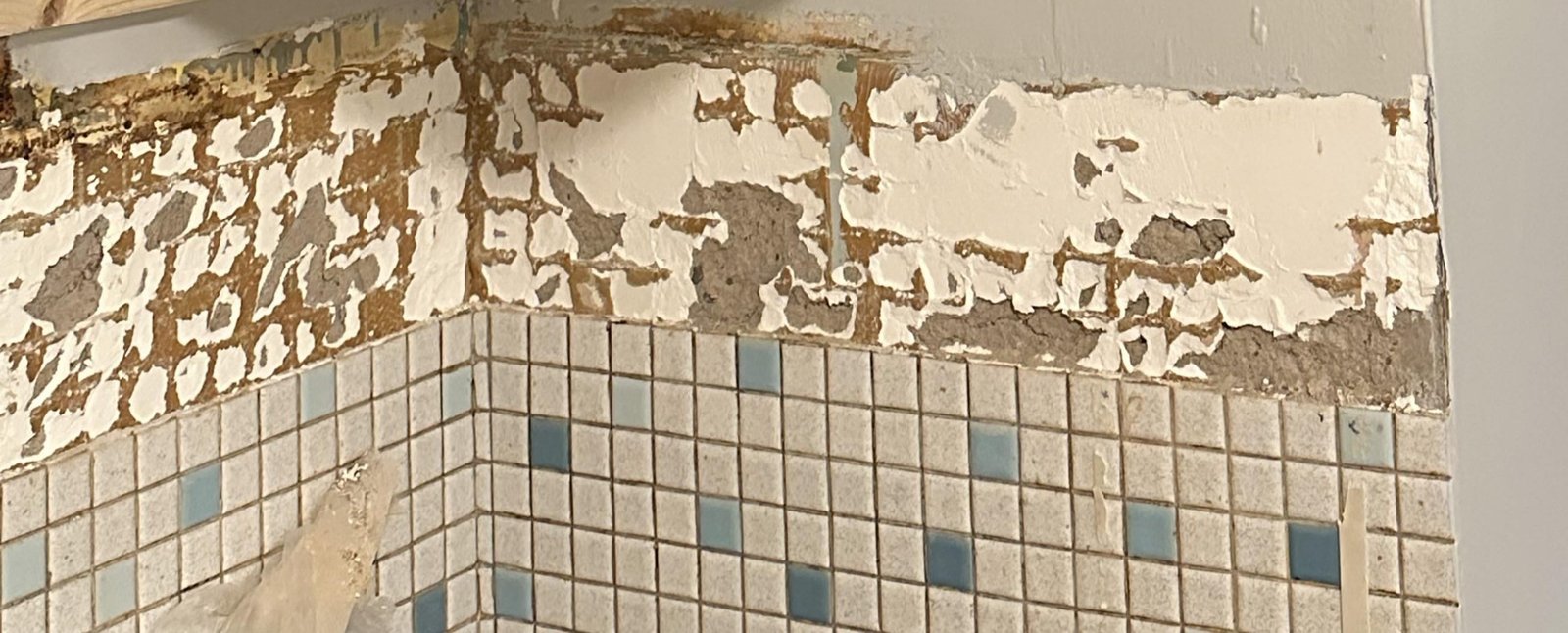
After removing old tiles from your kitchen wall, you’re often left with stubborn adhesive residue. This sticky mess can prevent new tiles or paint from sticking properly. Tackling this residue effectively is key to a smooth and clean surface, so your next step looks flawless.
Scraping Off Remaining Glue
Start by using a putty knife or a scraper to gently lift off as much of the glue as possible. Hold the tool at a slight angle to avoid gouging your wall. If the adhesive is tough, applying a bit of warm water or a mild adhesive remover can soften it, making the scraping easier.
Be patient during this process—rushing might damage your drywall or plaster. You want a mostly clean surface before moving on. Have you noticed that some adhesives peel away in large chunks while others cling stubbornly? Adjust your technique based on what you encounter.
Sanding The Wall Surface
Once most of the glue is scraped off, sanding is your best friend to smooth out any leftover sticky patches and rough spots. Use medium-grit sandpaper to start, and then switch to fine-grit for a polished finish. Sanding not only removes residue but also helps the new surface treatments adhere better.
Wear a dust mask to protect yourself from fine particles, and keep the area well-ventilated. You might be surprised how much smoother the wall feels after sanding, making your kitchen makeover look truly professional. Have you tried sanding before painting or tiling? It can make a world of difference.
Repairing The Wall
After removing old kitchen tiles, the wall often shows damage. Repairing the wall is crucial for a smooth and clean surface. This step prepares your wall for new tiles or paint. Proper repair ensures durability and a professional finish.
Filling Holes And Cracks
Check the wall for holes and cracks left by tile removal. Use a putty knife to apply spackle or wall filler into these gaps. Press the filler firmly to fill every space. Allow it to dry completely according to product instructions. Once dry, gently sand the area to make it even with the wall surface.
Smoothing And Priming
After filling holes, smooth the entire wall with fine-grit sandpaper. This removes rough spots and creates an even texture. Clean the dust off with a damp cloth. Apply a coat of primer to seal the surface. Primer helps new paint or tiles stick better and last longer. Let the primer dry fully before proceeding with your next step.
Cleanup And Disposal
Cleaning up after removing old kitchen tiles is essential for safety and efficiency. Proper disposal keeps your space tidy and prevents injury. Organizing debris and handling waste correctly saves time during your kitchen renovation.
Managing Debris
Collect tile pieces carefully to avoid sharp edges. Use a sturdy broom and dustpan to sweep smaller fragments. Place all debris into heavy-duty garbage bags or containers. Wear gloves to protect your hands during cleanup. Remove dust by wiping surfaces with a damp cloth. Keep the area well-ventilated to reduce dust buildup.
Proper Waste Disposal
Check local regulations for tile disposal guidelines. Some areas require dropping off debris at designated recycling centers. Avoid mixing tile waste with regular household trash. Large amounts of tile may need special disposal services. Contact waste management providers for bulky debris pickup. Dispose of hazardous materials, like adhesives, according to safety rules.

Credit: www.reddit.com
Frequently Asked Questions
How Do I Safely Remove Old Kitchen Wall Tiles?
Start by turning off power and water near the work area. Use a chisel and hammer to gently pry tiles. Wear safety goggles and gloves to protect yourself from debris and sharp edges.
What Tools Do I Need To Remove Kitchen Wall Tiles?
You need a hammer, chisel, utility knife, putty knife, and safety gear. Optionally, use a heat gun or tile scraper for stubborn tiles. A drop cloth helps protect your floor.
How Can I Avoid Damaging The Wall Under Tiles?
Work slowly and carefully to avoid gouging the drywall or plaster. Use gentle prying motions and avoid excessive force. Remove adhesive residue with a scraper to prepare the surface.
How Do I Dispose Of Old Kitchen Wall Tiles?
Collect tile debris in a heavy-duty trash bag. Check local regulations for tile disposal or recycling options. Avoid mixing tiles with regular household waste for environmental safety.
Conclusion
Removing old tiles can refresh your kitchen’s look. Start by gathering the right tools. Carefully chisel away the tiles. Protect the walls by going slowly. Clean up any leftover debris. This ensures a smooth surface for new tiles. Always wear safety gear.
Gloves and goggles are a must. After removal, check for any damages. Repair them before installing new tiles. A fresh kitchen wall transforms your space. With patience, anyone can do it. Enjoy your newly updated kitchen!