What to Put on Commercial Kitchen Walls: Essential Ideas for Safety & Style
Your commercial kitchen walls do more than just hold up your space—they impact hygiene, safety, and even the overall vibe of your kitchen. Choosing the right materials and finishes can make your daily work easier and keep your kitchen running smoothly.
But what exactly should you put on those walls to meet health standards and boost efficiency? Keep reading to discover smart, practical options that protect your kitchen and support your team every step of the way.

Credit: www.elitefoodservicedesign.co.uk
Wall Materials For Durability
Choosing the right wall materials in a commercial kitchen is crucial for durability. These materials must withstand heat, moisture, stains, and frequent cleaning. Strong walls help keep the kitchen safe and hygienic. Durable surfaces also reduce maintenance costs over time. Below are some popular materials known for their resilience and ease of care.
Stainless Steel Panels
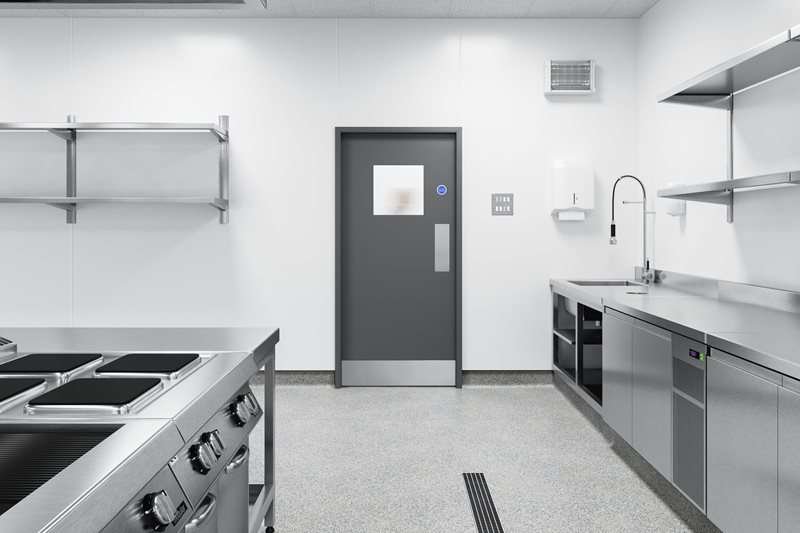
Stainless steel panels offer excellent resistance to heat and moisture. They are easy to clean and do not absorb stains or odors. Their smooth surface prevents bacteria buildup. Stainless steel is strong and long-lasting, perfect for busy kitchens. The shiny finish also gives a professional look to any space.
Ceramic Tiles
Ceramic tiles provide a hard, durable surface that resists scratches and stains. They handle heat well and clean easily with common kitchen cleaners. Tiles come in many colors and patterns, allowing design flexibility. Grout lines should be sealed to prevent mold and dirt buildup. This option balances durability with aesthetic appeal.
Epoxy Coatings
Epoxy coatings form a seamless, protective layer on kitchen walls. They resist chemicals, heat, and moisture effectively. Epoxy surfaces are smooth, making cleaning fast and simple. This coating can cover imperfections and prevent cracking. Its long lifespan makes it a cost-efficient choice for many kitchens.
Pvc Wall Panels
PVC panels are lightweight and resistant to water and stains. They install quickly and require little upkeep. These panels do not support mold or mildew growth. PVC is a budget-friendly option with good durability for commercial kitchens. It also offers a clean, modern appearance that suits various designs.

Credit: www.stoneworld.com
Safety Features On Walls
Safety in a commercial kitchen isn’t just about what’s on the floor or in the equipment—your walls play a critical role too. Properly outfitted walls can reduce hazards, protect your staff, and ensure compliance with health regulations. Let’s look at the key safety features you should consider adding to your kitchen walls.
Fire-resistant Surfaces
Walls near cooking areas face constant exposure to heat and flames. Fire-resistant surfaces help prevent small fires from spreading and protect the structure of your kitchen. Materials like ceramic tiles, stainless steel panels, or fire-rated drywall are smart choices that can withstand high temperatures without damage.
Have you checked if your current walls meet local fire safety codes? Upgrading to fire-resistant materials can give you peace of mind and keep your kitchen safer during busy service hours.
Splash Guards And Backsplashes
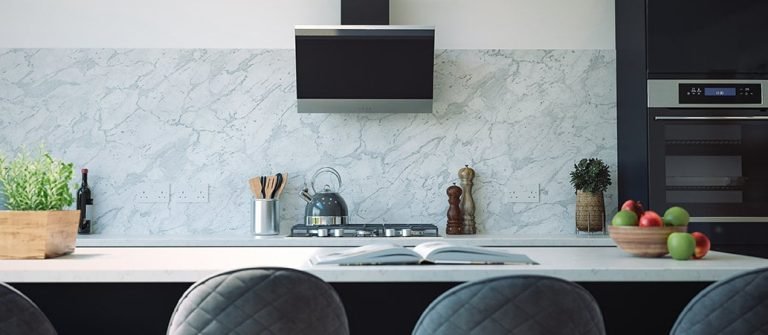
Splash guards and backsplashes protect walls from grease, water, and food splatters, which can create slippery, unsafe conditions. Installing these guards behind sinks, stoves, and prep areas makes cleaning easier and prevents damage to your walls. Choose materials that are durable and easy to wipe down, like stainless steel or tempered glass.
Think about areas where spills happen most often—are those walls adequately protected? Adding splash guards can reduce the risk of mold and bacteria buildup, which keeps your kitchen healthier and safer.
Easy-to-clean Finishes
Walls in a commercial kitchen must be cleaned frequently to maintain hygiene. Surfaces with smooth, non-porous finishes prevent dirt and grease from sticking and make cleaning faster. Paints with washable finishes or wall panels made from vinyl or fiberglass are excellent options.
What cleaning routine do you follow for your kitchen walls? Upgrading to easy-to-clean finishes can save you time and effort while ensuring your kitchen meets strict hygiene standards.
Antimicrobial Coatings
Antimicrobial coatings on walls actively reduce the growth of bacteria, mold, and mildew. These coatings add an extra layer of protection against contamination and keep your kitchen environment safer. They work well in high-moisture zones, such as around sinks and dishwashing areas.
Have you considered how much bacteria could be lingering on your walls? Using antimicrobial coatings is a proactive step to support the health of your staff and customers alike.
Style Elements For Commercial Kitchens
The walls of your commercial kitchen do more than just separate spaces—they set the tone and support the workflow. Style elements on these walls can boost morale, reinforce your brand, and even improve hygiene. Choosing the right design touches helps you create an environment that feels professional and inviting at the same time.
Color Choices For Mood And Cleanliness
Colors influence how your kitchen feels and performs. Bright whites and light grays signal cleanliness and make it easier to spot spills or dirt quickly. Meanwhile, warmer tones like soft yellows or muted greens can create a welcoming atmosphere without sacrificing clarity.
Think about your kitchen’s busiest areas—walls near prep stations benefit from colors that don’t show stains easily. Have you noticed how some kitchens use bold colors to energize their staff? That’s a smart move to keep energy high during long shifts.
Incorporating Branding And Logos
Your kitchen walls are perfect real estate for showcasing your brand. Adding your logo or signature colors helps unify the space and remind your team of the business identity they represent. It also leaves a lasting impression on visitors and inspectors.
You can use vinyl decals, painted murals, or even framed artwork to display your branding without overwhelming the workspace. Have you thought about how subtle branding might boost team pride or customer trust?
Textured Surfaces For Visual Interest
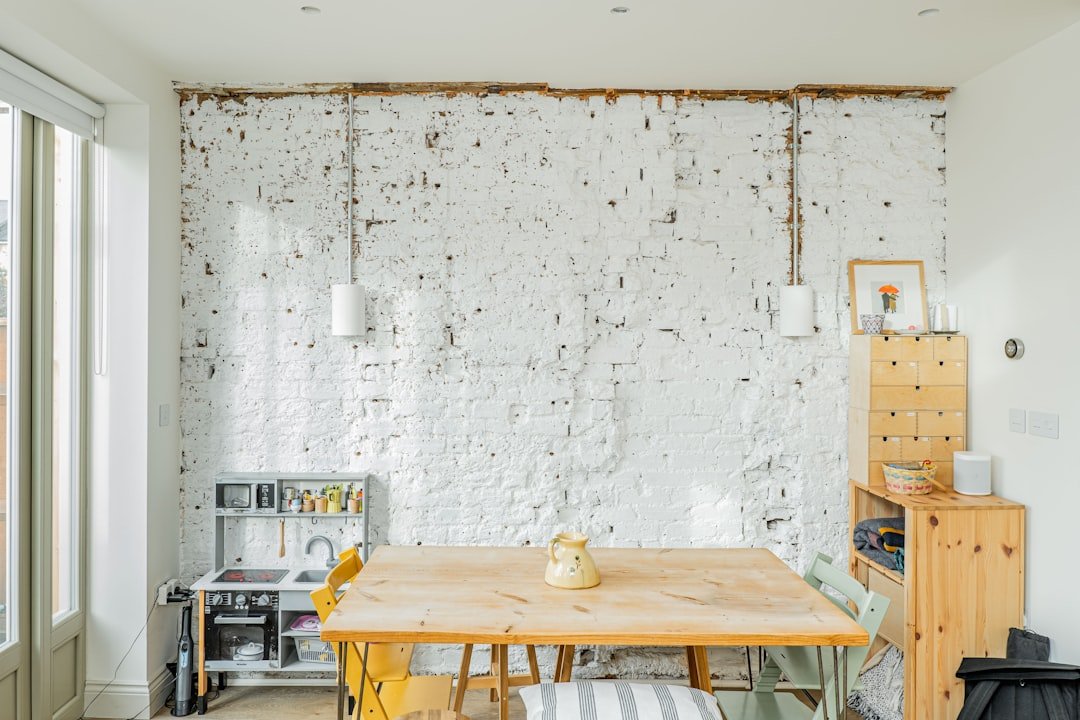
Flat walls can feel sterile and dull. Adding texture—like tile patterns, stainless steel panels, or brick veneers—introduces depth and character. Textured surfaces also help disguise minor wear and tear, keeping your kitchen looking fresh longer.
Consider materials that are easy to clean but add a tactile element. For example, ceramic tiles with a slight relief can catch light differently, creating a dynamic look. How might these textures change the feel of your kitchen during busy service times?
Lighting Integration On Walls
Lighting isn’t just for ceilings. Wall-mounted lights or integrated LED strips can highlight work zones or add warmth to your kitchen’s look. Proper lighting on walls improves safety by reducing shadows in critical areas.
Think about using color-tunable lights that adjust throughout the day to match natural light changes. Have you experienced how good lighting can lift the mood and boost productivity? It’s worth investing in to make your kitchen both functional and inviting.
Wall-mounted Storage Solutions
Maximizing space in a commercial kitchen is crucial, and wall-mounted storage solutions offer a smart way to keep your workspace organized and efficient. They free up valuable counter and floor space while keeping essential tools and ingredients within easy reach. Let’s look at some practical options that can transform your kitchen walls into functional storage hubs.
Shelving For Utensils And Ingredients
Sturdy, open shelves are perfect for storing frequently used utensils and ingredients. You can quickly spot what you need without opening cabinets or drawers, saving precious time during busy hours. Consider adjustable shelves so you can customize the height to fit different containers, from spice jars to mixing bowls.
Metal or stainless steel shelves work well since they’re durable and easy to clean. Adding labeled bins or baskets on these shelves helps you sort items and keeps everything tidy. How often do you find yourself digging through cluttered drawers? Shelving can solve that problem by making everything visible and accessible.
Hooks And Racks For Tools
Hooks and racks on your kitchen walls keep tools like ladles, tongs, and whisks organized and ready to grab. Installing a series of hooks near prep stations minimizes movement, so you spend less time searching and more time cooking. This setup also helps maintain hygiene by keeping tools off countertops.
Try grouping similar tools together on racks to streamline your workflow. For example, place all your baking spatulas on one rack and grilling tools on another. What’s the cost of wasted seconds searching for a tool during peak service? Hooks and racks can cut down that wasted time significantly.
Magnetic Strips For Knives
Magnetic strips mounted on walls are a safe and convenient way to store knives. They keep blades visible and accessible while preventing damage that can happen in crowded drawers. Plus, magnetic strips save space and add a sleek, modern look to your kitchen.
Always install magnetic strips at a comfortable height and away from high-traffic areas to prevent accidents. You might find that keeping knives on a magnetic strip encourages regular cleaning and maintenance since they’re always in plain sight. How much easier would your prep work be if your knives were right where you needed them?
Maintenance And Cleaning Tips
Keeping the walls of your commercial kitchen clean and well-maintained is crucial for hygiene and safety. It also extends the life of your wall materials and keeps your kitchen looking professional. Here are practical tips that you can apply daily and over the long term to manage maintenance and cleaning effectively.
Daily Cleaning Practices
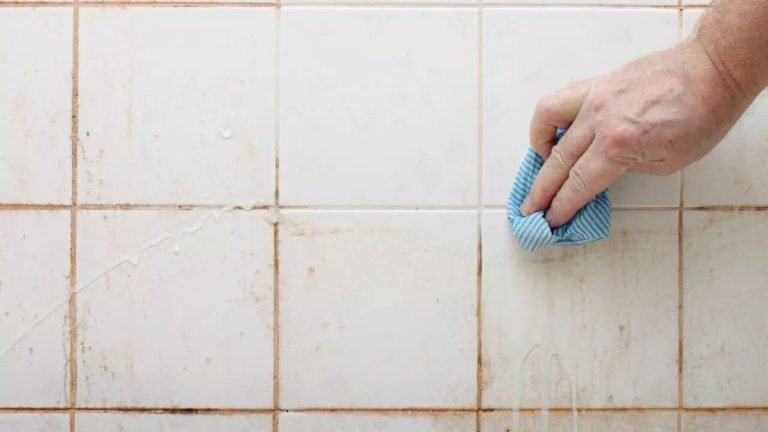
Wipe down walls every day with a mild detergent and warm water to prevent buildup of grease and food particles. Use a soft cloth or sponge to avoid scratching surfaces, especially if you have painted or tile walls.
Focus on high-touch areas like near cooking stations and sinks. These spots tend to collect dirt quickly and can harbor bacteria if neglected.
- Use a spray bottle to apply cleaning solution evenly.
- Rinse with clean water to remove any soap residue.
- Dry the walls with a microfiber cloth to prevent streaks and water spots.
Handling Stains And Grease
Grease stains can be stubborn, but acting fast helps. Apply a degreaser or a baking soda paste to the stain and let it sit for a few minutes before scrubbing gently with a non-abrasive brush.
If stains persist, try a solution of vinegar and water. Vinegar cuts through grease without damaging most wall surfaces.
- Test any cleaning agent on a small hidden area first.
- Avoid harsh chemicals that can erode paint or tiles.
- Wear gloves to protect your hands during cleaning.
Long-term Wall Care Strategies
Consider applying a protective coating or sealant on tile or stainless steel walls to make future cleaning easier. This extra layer prevents stains from penetrating deeply.
Regularly inspect your walls for cracks, peeling paint, or mold growth. Early detection lets you fix small problems before they become costly repairs.
- Schedule deep cleanings monthly or quarterly depending on kitchen use.
- Use professional cleaning services for hard-to-reach or heavily soiled areas.
- Maintain proper ventilation to reduce moisture buildup on walls.
How often do you check your kitchen walls for hidden damage? Staying proactive can save you time and money while keeping your workspace healthy.
.jpg "What to Put on Commercial Kitchen Walls: Essential Ideas for Safety & Style 4")
Credit: www.contekpro.com
Regulatory Compliance For Wall Finishes
Choosing the right wall finishes in a commercial kitchen is more than aesthetics. It involves meeting strict regulations to keep the environment safe and sanitary. Regulatory compliance ensures walls withstand cleaning, resist moisture, and support a healthy workspace. Understanding these rules helps avoid penalties and supports smooth kitchen operations.
Health Department Requirements
Health departments require walls to be smooth and easy to clean. Surfaces must resist grease, water, and bacteria buildup. They often demand non-porous materials like stainless steel or ceramic tiles. Walls should not have cracks or gaps where dirt can collect. Regular inspections check if walls meet these hygiene standards.
Fire Safety Codes
Fire safety codes regulate wall materials to prevent fire spread. Walls need fire-resistant finishes that slow down flames. Materials like fire-rated panels or treated surfaces are common choices. These codes also specify installation methods to maintain fire barriers. Compliance reduces risks and protects staff and property.
Material Certifications
Certified materials confirm safety and durability for kitchen walls. Look for certifications like NSF, UL, or ASTM standards. These indicate tested resistance to heat, moisture, and chemicals. Using certified products ensures walls meet local and national rules. Certifications also guarantee quality and long-term performance.
Frequently Asked Questions
What Materials Are Best For Commercial Kitchen Walls?
Stainless steel and ceramic tiles are ideal for commercial kitchen walls. They resist heat, moisture, and stains. These materials are easy to clean and maintain hygiene standards. Their durability ensures long-lasting performance in busy kitchen environments.
How To Ensure Kitchen Walls Meet Health Codes?
Use non-porous, washable materials like stainless steel or glazed tiles. Walls should be smooth and free of cracks or gaps. Regular cleaning and maintenance keep surfaces sanitary. Compliance with local health regulations is essential for food safety.
Can Commercial Kitchen Walls Improve Safety?
Yes, walls coated with fire-resistant materials enhance safety. Smooth surfaces prevent mold and bacteria buildup, reducing contamination risks. Bright colors improve visibility and reduce accidents. Proper wall finishes contribute to a safer kitchen environment.
What Wall Finishes Resist Grease And Stains Best?
Epoxy paint and stainless steel panels resist grease and stains effectively. These finishes are non-porous and easy to wipe clean. They prevent grease buildup, maintaining a hygienic kitchen. Choosing the right finish reduces cleaning time and effort.
Conclusion
Choosing the right wall materials is vital for a commercial kitchen. Durable surfaces ensure hygiene and safety. Stainless steel is a popular choice. It’s easy to clean. Tiles also work well, adding style and protection. Look for materials that resist heat and moisture.
Consider your kitchen’s design and function. Keep the workspace efficient and appealing. A well-planned kitchen wall setup boosts productivity. It can also enhance your kitchen’s aesthetic. Prioritize maintenance and durability in your choices. Your kitchen’s success depends on it. Make decisions that align with your business needs.
This will lead to a thriving culinary environment.