What Type Paint for Kitchen Walls: Ultimate Guide to Durable Finishes
Choosing the right paint for your kitchen walls can make a huge difference in how your space looks and feels. You want a finish that’s easy to clean, stands up to moisture, and keeps your kitchen bright and inviting.
But with so many options out there, how do you know which one is best for your needs? You’ll discover exactly what type of paint works perfectly for kitchen walls, helping you avoid common mistakes and achieve a fresh, lasting result.
Keep reading to find the simple, smart solution for your kitchen makeover.
Choosing Kitchen Paint
Choosing the right paint for your kitchen walls is important. The kitchen is a busy space with many challenges. Selecting paint that holds up well and looks good can make a big difference. This guide helps you understand what to consider before buying paint for your kitchen.
Factors Affecting Paint Choice
Several factors influence the best paint for kitchen walls. Consider these points:
- Moisture resistance: Kitchens have steam and spills.
- Durability: Paint should withstand scrubbing and cleaning.
- Finish: Glossy or semi-gloss finishes resist stains better.
- Color: Light colors brighten the space, dark colors hide stains.
- Odor and drying time: Low-VOC paints reduce smell and dry fast.
Common Kitchen Wall Challenges
Kitchens face unique problems that affect paint choice. Walls often deal with:
- Grease splatters near the stove.
- High humidity from cooking and dishwashing.
- Frequent cleaning that can wear off paint.
- Stains from food and liquids.
- Scratches or dents from daily use.
Select paint that can resist these challenges to keep your kitchen looking fresh longer.
Types Of Paint Finishes
Choosing the right paint finish for kitchen walls affects durability and appearance. Paint finishes range from flat to glossy. Each finish has unique features. Some hides imperfections well. Others resist stains and moisture better. Understanding these finishes helps pick the best one for kitchens.
Matte And Flat Paint
Matte and flat paints have no shine. They create a smooth, soft look on walls. These finishes hide wall flaws well. They absorb light, reducing glare. However, they can be harder to clean. They may not resist moisture or stains. Best for low-traffic kitchen areas or ceilings.
Eggshell And Satin Paint
Eggshell and satin finishes have a slight shine. They offer a balance between flat and glossy. These paints are easier to clean than matte. They resist dirt and moisture better. Satin is glossier than eggshell. Both work well for kitchen walls. Ideal for moderate traffic and some splashes.
Semi-gloss And Gloss Paint
Semi-gloss and gloss paints shine brightly. They provide a smooth, reflective surface. These finishes are very durable and easy to clean. They resist moisture, stains, and scrubbing. Semi-gloss is less shiny than gloss. Best for kitchen walls, trim, and cabinets. Use in high-traffic, high-moisture areas.
Best Paint Formulations
Choosing the right paint formulation for your kitchen walls can transform your space’s look and durability. The kitchen faces unique challenges like humidity, frequent cleaning, and occasional splashes. Picking the best paint means balancing appearance with practicality.
Latex Vs. Oil-based Paints
Latex paints dry quickly and have low odor, making them a popular choice for kitchens. They resist yellowing and clean up easily with soap and water. However, oil-based paints provide a smoother finish and better durability against stains, but they take longer to dry and require solvents for cleanup.
If you want a fresh coat that dries fast and cleans easily, latex is your go-to. But if your kitchen walls need extra protection from grease and wear, oil-based paints might be worth the extra effort.
Mold And Mildew Resistant Paints
Kitchens are prone to moisture, which invites mold and mildew. Paints with built-in mold inhibitors can keep your walls healthier and cleaner. These paints often have antimicrobial additives that stop mold growth before it starts.
Consider a paint labeled “mold and mildew resistant” if your kitchen lacks ventilation or if you often cook with steam. This choice reduces the need for harsh cleaning chemicals and keeps your kitchen fresher longer.
Eco-friendly Paint Options
Eco-friendly paints offer low or zero volatile organic compounds (VOCs), which means better air quality for your home. These paints are safer for you, your family, and the environment. Many brands now offer durable, washable eco-friendly options that don’t compromise on color or finish.
Choosing green paints can be a small change with a big impact. You get vibrant kitchen walls without the toxic smell or health risks common with traditional paints. Wouldn’t you prefer a healthier kitchen environment?

Credit: www.reddit.com
Durability And Maintenance
Durability and maintenance are key factors when choosing paint for kitchen walls. Kitchens face heat, moisture, and frequent cleaning. The paint must stand up to these challenges without losing color or texture. Durable paint helps keep walls looking fresh longer. Easy maintenance means less time spent scrubbing and more time enjoying your kitchen.
Cleaning Painted Kitchen Walls
Use a soft cloth or sponge with mild soap and water. Avoid harsh chemicals that can damage paint. Gently wipe stains and spills right away to prevent permanent marks. Test cleaning solutions on a small area first. For tough grease, a mixture of vinegar and water works well. Rinse with clean water and dry with a towel. Regular light cleaning keeps walls bright and healthy.
Touch-up Tips And Tricks
Keep extra paint for quick fixes. Match the color and finish exactly for the best results. Use a small brush or roller for even coverage. Clean the wall before touching up to remove dirt. Feather the edges of the new paint into the old to blend seams. Allow enough drying time between coats. Touch-ups keep your kitchen walls looking new and well cared for.
Color Selection For Kitchens
Choosing the right color for your kitchen walls can transform the entire feel of the space. It’s not just about what looks good; color affects how you experience your kitchen every day. Think about how you want to feel when you step into this busy, lively part of your home.
Popular Kitchen Colors
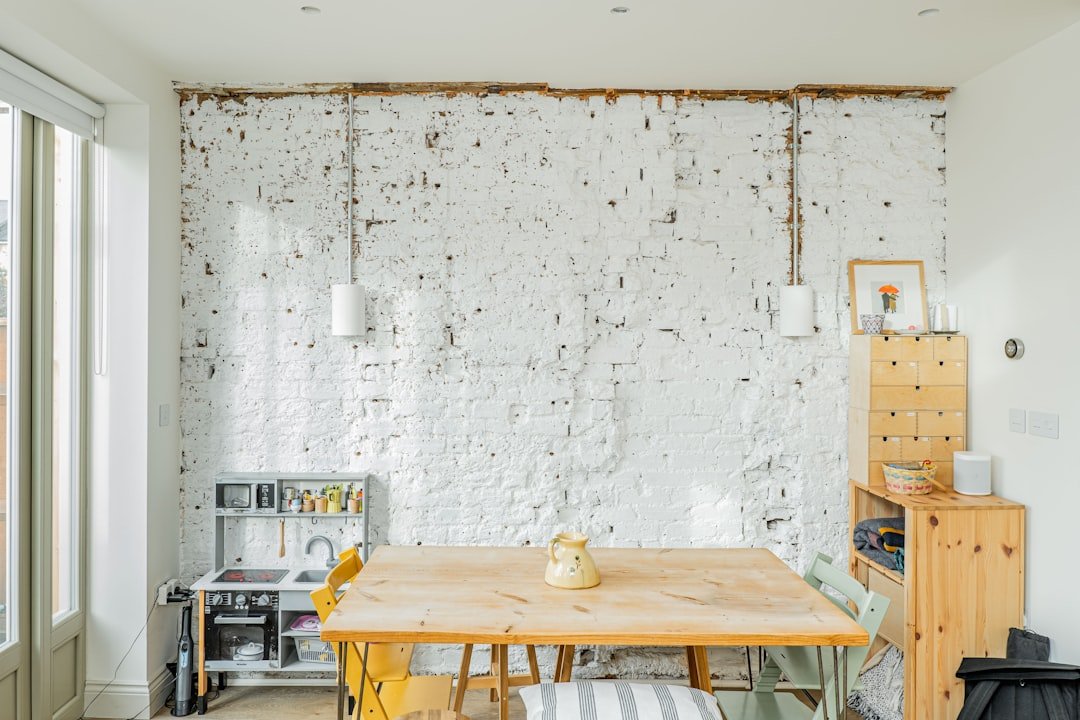
Some colors have stood the test of time in kitchens for good reasons. White remains a top pick because it makes the space look clean and bright. It also pairs well with any cabinet or countertop style.
Soft grays and blues are gaining popularity for their calming effect. They create a subtle backdrop that lets your kitchen accessories and appliances pop. Earthy tones like warm beige or muted greens bring a natural feel, making your kitchen cozy and inviting.
- Bright yellows can energize the space and spark creativity while cooking.
- Deep navy or charcoal adds sophistication but needs good lighting to avoid feeling cramped.
- Pastel shades soften the atmosphere, perfect for a cheerful, light-filled kitchen.
Impact Of Color On Space And Mood
Colors don’t just change how a room looks; they change how you feel inside it. Light colors open up the space, making even small kitchens feel larger and more welcoming. Darker shades can create a cozy nook but might make a tight kitchen feel even smaller.
Think about your daily routine. Do you want your kitchen to wake you up with vibrant energy or help you unwind with calm hues? Bright colors can boost your mood and make mornings easier, but too much brightness might become overwhelming.
Have you noticed how certain colors make you reach for a snack or linger longer at the table? Your kitchen’s color influences appetite and social interaction. Choosing the right tone can help balance these effects to suit your lifestyle perfectly.

Credit: www.magnet.co.uk
Preparation And Application
Proper preparation and application are key to painting kitchen walls successfully. Clean, smooth surfaces help paint stick well and last longer. Using the right tools and techniques brings out the best finish. Follow these steps to prepare and paint your kitchen walls with confidence.
Surface Preparation
Start by cleaning the walls thoroughly. Remove grease, dirt, and dust using warm water and mild detergent. Rinse well and let dry completely. Fill any holes or cracks with spackling paste. Sand patched areas smooth once dry. Lightly sand the entire wall to create a good grip for paint. Use a damp cloth to wipe away sanding dust. Cover floors and counters with drop cloths. Remove or tape off hardware and trim to protect them from paint.
Painting Techniques For Best Results
Choose high-quality brushes and rollers for smooth coverage. Use a roller for large areas to save time. Cut in around edges and corners with a smaller brush. Apply paint in thin, even coats to avoid drips and streaks. Let each coat dry fully before applying the next. Use long, steady strokes in one direction to reduce marks. Keep a wet edge to blend paint seamlessly. Ventilate the room well to speed drying and reduce fumes.

Credit: uk.news.yahoo.com
Frequently Asked Questions
What Paint Finish Is Best For Kitchen Walls?
Satin or semi-gloss finishes are best for kitchen walls. They resist moisture and stains. These finishes are easy to clean and maintain, ideal for kitchen environments.
Can I Use Oil-based Paint In The Kitchen?
Oil-based paints offer durability and stain resistance. However, they have strong odors and longer drying times. Water-based paints are often preferred for kitchens due to easier cleanup and less odor.
How Do I Choose Paint Color For Kitchen Walls?
Choose light, neutral colors to make the kitchen appear larger and brighter. Consider colors that complement cabinets and countertops. Avoid very dark shades as they can make the space feel smaller.
Is Washable Paint Necessary For Kitchen Walls?
Yes, washable paint is highly recommended. Kitchens are prone to spills, grease, and stains. Washable paint allows easy cleaning without damaging the wall surface.
Conclusion
Choosing the right paint for kitchen walls is essential. It ensures durability and easy cleaning. Semi-gloss or satin finishes work best. They resist stains and moisture. Consider color carefully. Light shades make spaces appear larger. Dark tones add warmth and depth.
Always check for quality and brand reputation. Test a small patch first. It helps to see the true color. Remember, a good paint transforms your kitchen. It creates a welcoming space. Enjoy the process and the results. Happy painting!