How to Install Wall Tile Kitchen: Easy Steps for Stunning Results
Are you ready to give your kitchen a fresh, stylish look without spending a fortune? Installing wall tiles in your kitchen can transform the entire space, making it look cleaner, brighter, and more modern.
But where do you start? Don’t worry—this guide will walk you through every step, from choosing the right tiles to the final grout. You’ll discover simple tips and tricks that make the job easier and help you avoid common mistakes.
By the end, you’ll have the confidence to tackle your kitchen wall tile installation like a pro. Let’s get started and bring your kitchen to life!
Preparing The Surface
Preparing the surface is a crucial part of installing wall tiles in your kitchen. A well-prepared wall ensures the tiles stick properly and stay in place for years. This process involves cleaning, fixing any damage, and marking where each tile will go. Taking time here prevents problems later and makes your kitchen look great.
Cleaning And Repairing Walls
Start by removing any dirt, grease, or dust from the wall. Use a mild detergent and water to clean the surface thoroughly. Rinse well and let it dry completely. Check the wall for cracks, holes, or loose plaster. Fill small holes with spackling paste and smooth it out. For larger damage, use a patch or repair compound. Sand the repaired areas to make the surface even. A smooth, clean wall helps tiles stick better and look neat.
Measuring And Marking Layout
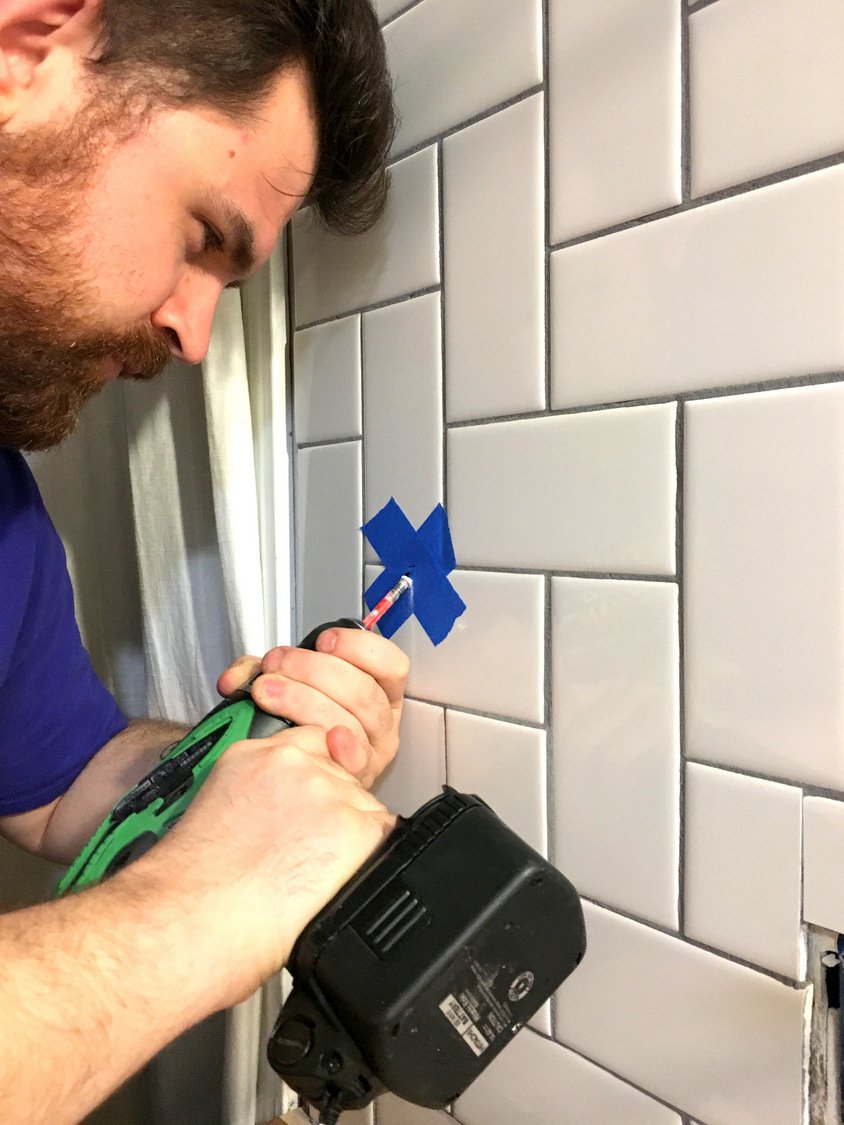
Measure the wall space carefully to know how many tiles you need. Mark the center of the wall using a level and pencil. This helps keep the tile layout balanced and straight. Plan the tile placement by drawing light lines on the wall. Use these lines as guides while installing the tiles. Mark any spots where you need to cut tiles to fit edges or corners. Accurate measuring and marking save time and avoid mistakes during installation.

Credit: www.create-enjoy.com
Gathering Materials And Tools
Before you start installing wall tile in your kitchen, gathering the right materials and tools is crucial. Having everything ready saves time and prevents frustration during the process. It also ensures your tile installation looks professional and lasts long.
Choosing The Right Tiles
Picking the perfect tiles impacts both the style and function of your kitchen. Consider the size, color, and texture that match your kitchen’s vibe. Glossy tiles brighten small spaces, while matte finishes hide smudges better.
Think about durability too. Porcelain tiles resist stains and water, making them ideal for kitchen walls. Ceramic tiles offer a wide variety of designs but might need extra sealing in high-moisture areas. Are you aiming for a sleek modern look or a rustic charm? Your tile choice sets the tone.
Essential Tools Checklist
Having the right tools makes installation smoother and more precise. Here’s a list you’ll find handy:
- Tile cutter or wet saw:to cut tiles cleanly to size
- Notched trowel:for spreading adhesive evenly
- Tile spacers:to keep consistent gaps between tiles
- Level and tape measure:to ensure tiles are straight and correctly placed
- Rubber grout float:to apply grout smoothly
- Sponge and bucket:for cleaning excess grout
- Safety gear:gloves and goggles to protect your hands and eyes
Missing just one tool can slow down the entire job. Do you have a dedicated workspace to prepare your tiles? Organizing your tools nearby helps you stay efficient and focused.
Applying Adhesive
Applying adhesive is a crucial step when installing wall tiles in your kitchen. It ensures that each tile stays securely in place and lasts for years. Getting this step right can save you from future repairs and give your kitchen a polished, professional look.
Selecting The Best Adhesive
Not all adhesives work the same for every tile or surface. Your choice depends on the type of tile and the wall material.
- Mastic adhesiveis great for small ceramic tiles on smooth surfaces.
- Thinset mortarworks better for heavier tiles like stone or porcelain and uneven walls.
- Check if the adhesive is suitable for kitchen environments—some resist moisture and heat better than others.
Have you checked the manufacturer’s recommendations? Using the right adhesive avoids peeling and cracking later.
Spreading Adhesive Evenly
Even application is key to strong tile adhesion and a flat finish. Use a notched trowel to spread the adhesive in uniform layers.
- Hold the trowel at a 45-degree angle to create ridges that help tiles stick better.
- Work in small sections to prevent the adhesive from drying before you place the tiles.
- Press tiles firmly into the adhesive, twisting slightly to eliminate air pockets.
Imagine how frustrating it would be if tiles fell off because of uneven glue! Taking time here pays off by preventing future headaches.
Laying The Tiles
Laying tiles in your kitchen wall requires patience and precision. Proper placement ensures a neat, professional look. Start by planning and preparing the surface. Then, carefully follow the steps to keep the tiles aligned and even.
Starting From The Center
Begin tiling from the center of the wall. This helps balance the layout on both sides. Use a level and pencil to mark a vertical and horizontal centerline. Align the first tile at the intersection. Work outwards from the center to the edges. This avoids small cut tiles in visible areas.
Using Spacers For Consistent Gaps
Place tile spacers between each tile to keep gaps uniform. Consistent gaps allow for even grout lines. Choose spacers that match your desired grout width. Press tiles firmly but gently against spacers. Remove spacers before the adhesive dries. This step creates a clean, professional finish.
Cutting Tiles For Edges
Measure the space at edges carefully for tile cuts. Mark the tile with a pencil where it needs trimming. Use a tile cutter or wet saw for straight cuts. For curves or irregular shapes, use tile nippers. Smooth sharp edges with a tile file before installation. Proper cuts ensure a tidy fit along walls and corners.
Grouting The Tiles
Grouting the tiles is a key part of installing kitchen wall tiles. It fills the gaps between tiles, making the surface smooth and water-resistant. Proper grouting also protects the tiles from dirt and damage. This step requires care and patience to get the best results. The right grout mix and careful application ensure a neat and durable finish.
Mixing Grout Properly
Start with clean water and grout powder. Use a clean bucket and a mixing tool. Add grout powder slowly into the water. Stir the mixture well to avoid lumps. The grout should feel like thick peanut butter. Let it sit for 5 minutes. Stir again before use. Avoid making the grout too runny or too thick.
Applying And Cleaning Grout
Use a rubber float to spread grout diagonally over the tiles. Press grout firmly into the gaps. Work in small sections for better control. Remove extra grout from tile surfaces with the float’s edge. After 10 to 15 minutes, wipe tiles gently with a damp sponge. Rinse the sponge often and change water when dirty. Let grout dry for 24 hours before touching or cleaning further. This process creates a clean and smooth tile surface.
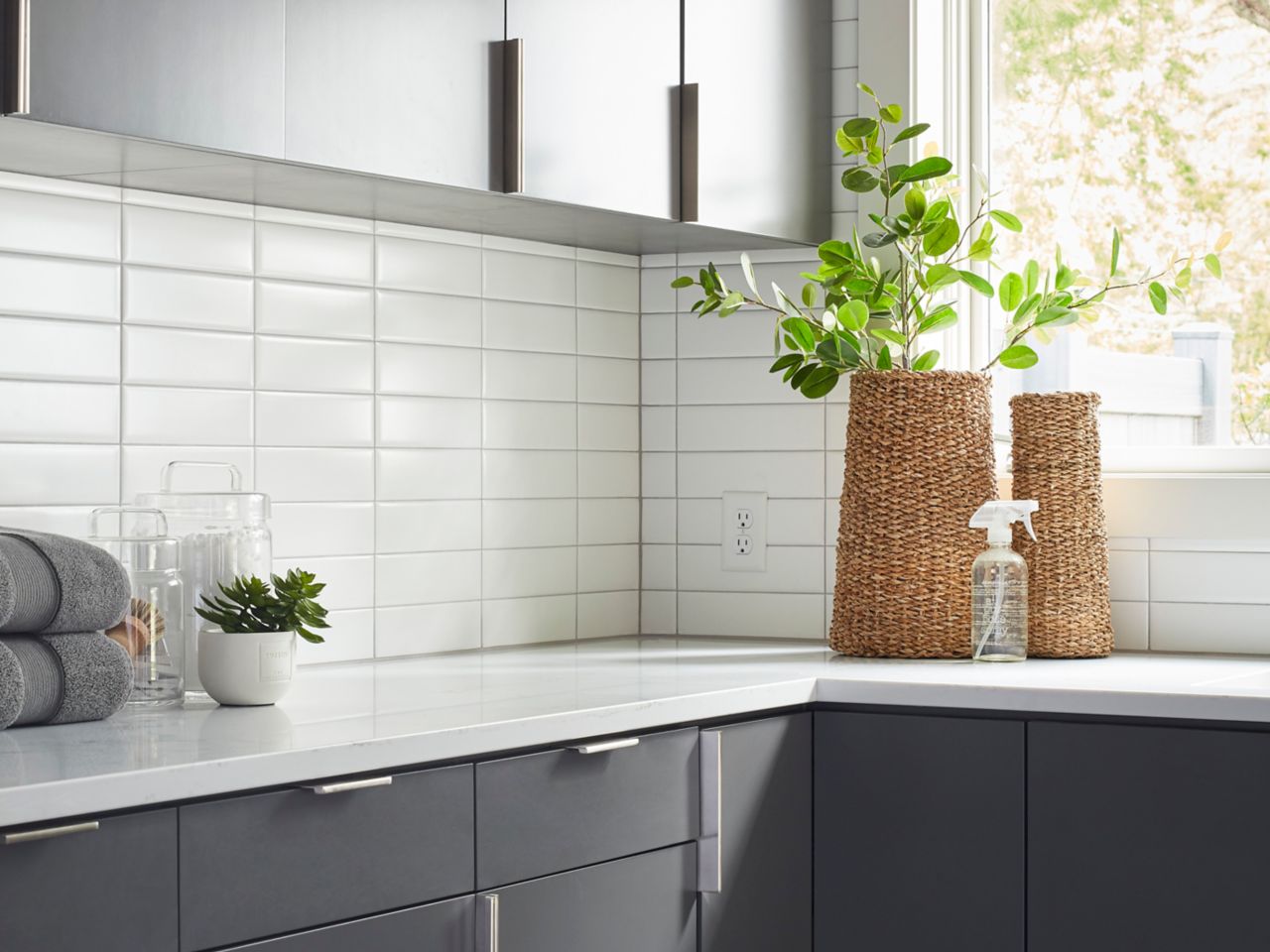
Credit: www.tileshop.com
Sealing And Finishing Touches
Sealing and finishing touches are essential for protecting your kitchen wall tiles and keeping them looking fresh for years. Without proper sealing, grout can stain and tiles may lose their shine. Taking the time to finish your tiling project carefully ensures durability and a professional appearance.
Applying Sealant
Sealant acts as a shield against moisture, grease, and dirt that often accumulate in kitchen areas. Use a high-quality penetrating grout sealer for best results. Apply it evenly with a small brush or roller, focusing on the grout lines rather than the tile surface.
Let the sealant soak in for the recommended time, usually 5 to 10 minutes, then wipe off any excess with a clean cloth. Avoid rushing this step—you might think skipping it saves time, but it often leads to grout discoloration and mildew buildup later.
Cleaning And Polishing Tiles
After sealing, clean the tiles thoroughly using a mild detergent and a soft sponge. Avoid abrasive cleaners as they can scratch the tile surface. Once dry, polishing tiles with a microfiber cloth can enhance their shine and remove any residue.
Have you noticed how a simple polishing step can dramatically improve the look of your tiles? It’s an easy trick that many overlook, but it makes a significant difference in achieving that crisp, showroom finish.
Common Mistakes To Avoid
Installing wall tiles in your kitchen looks simple but has common pitfalls. Avoiding these mistakes saves time and money. It also ensures a neat and lasting finish. Pay close attention to details and prepare well.
Not Preparing The Wall Surface Properly
Tiles stick best on clean, dry, and smooth surfaces. Old paint, grease, or uneven patches cause poor adhesion. Remove dirt and grease completely. Patch holes and sand rough spots. A well-prepared wall helps tiles stay put for years.
Using The Wrong Adhesive
Different tiles and walls need specific adhesives. Choose the right type for kitchen walls. Using the wrong glue leads to tiles falling off or uneven surfaces. Check product labels carefully and ask for advice if unsure.
Skipping Tile Layout Planning
Planning tile placement avoids awkward cuts and uneven lines. Measure your wall and mark tile positions before fixing. Visualize how tiles align around switches and corners. A good plan creates a balanced, professional look.
Ignoring Tile Spacing And Grout Lines
Consistent spacing between tiles ensures neat grout lines. Use spacers to keep gaps even. Too narrow or wide gaps look unprofessional and may cause grout cracking. Proper spacing also helps tiles expand with temperature changes.
Applying Too Much Or Too Little Adhesive
Excess adhesive can ooze out and stain tiles. Too little causes tiles to loosen. Spread adhesive evenly using the right trowel size. Press tiles firmly to remove air bubbles. Correct adhesive use improves tile grip and finish.
Not Allowing Adequate Drying Time
Tiles and grout need time to set and dry. Rushing this step risks damage and weak bonds. Follow manufacturer drying times carefully. Avoid touching or wetting tiles before full cure. Patience ensures a strong, lasting wall.

Credit: www.youtube.com
Maintenance Tips For Longevity
Maintaining your kitchen wall tiles ensures they stay beautiful for years. Simple care routines protect tiles from stains, cracks, and wear. Regular cleaning and attention keep the grout fresh and the tiles shiny.
Follow these tips to extend the life of your kitchen wall tiles. They help preserve both the look and the strength of the installation.
Regular Cleaning With Mild Detergents
Use a soft cloth or sponge with warm water and mild soap. Avoid harsh chemicals that can damage tiles or grout. Clean spills quickly to prevent stains. Wipe tiles gently to remove grease and dirt. Rinse with clean water and dry with a soft towel.
Protecting Grout Lines
Grout is porous and can absorb dirt and moisture. Seal grout every six months to keep it waterproof. Use a grout sealer designed for kitchen use. Clean grout regularly with a brush and baking soda paste. Avoid abrasive tools that can wear down the grout.
Avoiding Physical Damage
Do not hit tiles with heavy or sharp objects. Use cutting boards to prevent knife marks near the tiles. Avoid leaning or placing heavy items directly against the wall. Inspect tiles regularly for cracks or chips. Repair damaged tiles quickly to prevent further issues.
Ventilation And Moisture Control
Keep the kitchen well-ventilated to reduce humidity. Use exhaust fans while cooking to minimize steam. Dry tiles after exposure to water to avoid mold growth. Moisture control helps prevent tile loosening and grout damage.
Routine Inspection And Repair
Check tiles and grout for signs of wear every few months. Fix small cracks or loose tiles immediately. Use appropriate adhesive and grout for repairs. Timely maintenance avoids costly replacements later.
Frequently Asked Questions
What Tools Are Needed To Install Kitchen Wall Tiles?
You need a tile cutter, notched trowel, tile spacers, level, adhesive, grout, sponge, and a measuring tape for installation.
How Do I Prepare The Wall For Kitchen Tile?
Clean the wall, repair any damage, remove grease, and apply a primer for better tile adhesion before installation.
What Adhesive Is Best For Kitchen Wall Tiles?
Use a high-quality, water-resistant tile adhesive designed for kitchen environments to ensure strong, long-lasting tile bonding.
How Long Does It Take To Install Kitchen Wall Tiles?
Installation time varies but typically takes 4 to 8 hours depending on wall size and tile complexity.
Conclusion
Installing kitchen wall tiles can seem daunting. But it’s manageable with guidance. Gather all tools and materials first. Follow each step carefully for best results. Measure accurately to avoid mistakes. Take your time with tile placement. Grout and seal properly to ensure durability.
Patience and precision lead to a beautiful kitchen. With practice, your skills will improve. Enjoy the process and the outcome. Your kitchen will have a fresh look. It’s rewarding to see your own handiwork. Happy tiling and enjoy your new space!