How to Install Wall Cabinet: Easy Steps for a Perfect Fit
Are you ready to give your space a fresh, organized look? Installing a wall cabinet can transform your room, adding both style and storage where you need it most.
But if you’ve never done it before, the idea might feel a bit overwhelming. Don’t worry—you’re about to learn a simple, step-by-step method that anyone can follow. By the end of this guide, you’ll have the confidence and know-how to mount your wall cabinet safely and securely.
Let’s get started and turn your walls into a smart, functional space!

Credit: www.familyhandyman.com
Tools And Materials Needed
Installing a wall cabinet needs careful preparation. Having the right tools and materials makes the job easier and safer. This section lists everything required for a smooth installation.
Essential Tools
- Drill with drill bits
- Screwdriver (Phillips and flathead)
- Stud finder
- Level
- Measuring tape
- Pencil for marking
- Socket wrench
- Clamps (optional but helpful)
Required Materials
- Wall cabinet
- Mounting screws
- Wall anchors (if no studs found)
- Shims (to adjust cabinet level)
- Wood filler (to cover screw holes)
- Caulk or sealant (optional for finishing)
Credit: www.cabinetjoint.com
Choosing The Right Wall Cabinet
Choosing the right wall cabinet is a crucial step before you start installation. It impacts both the look and functionality of your space. Taking time to evaluate your needs and space will save you headaches later.
Measuring Your Space
Accurate measurements are the foundation of a successful cabinet installation. Use a tape measure to check the width, height, and depth of the wall area where you want to place the cabinet.
Don’t forget to account for obstacles like light switches, outlets, or window frames. I once overlooked a vent placement and had to return the cabinet—trust me, double-checking saves time and money.
Write down your measurements carefully and consider the clearance needed for cabinet doors to open fully. Have you measured the height from the floor to the bottom of the cabinet? That’s important for accessibility and comfort.
Selecting Cabinet Style
Cabinet style defines the character of your room. Decide if you want something modern, traditional, or somewhere in between.
Think about materials and finishes too. Solid wood offers durability and warmth, while laminate can be budget-friendly and easy to clean. Glass-front cabinets add a touch of elegance and let you showcase your dishware.
Consider how you plan to use the cabinet. Will it store heavy items or just decorative pieces? This affects the type of shelves and hardware you should choose.
- Do you prefer open shelves or closed doors?
- Would adjustable shelves work better for your needs?
- How will the cabinet style blend with your existing décor?
Answering these questions helps you pick a cabinet that fits your lifestyle and space perfectly.
Preparing The Wall
Preparing the wall is a crucial step before installing your wall cabinet. It ensures your cabinet will be secure and hold up over time. Taking time to properly get your wall ready prevents future headaches and keeps your space looking professional.
Locating Studs
Studs are the vertical wooden beams behind your drywall. Attaching your cabinet directly to studs gives it the strength it needs to hold weight safely. Using a stud finder makes this task easier, but if you don’t have one, tapping the wall and listening for a solid sound can help.
Remember, cabinets can be heavy once loaded. You want to be confident that your mounting points are anchored solidly. Have you ever hung something heavy that pulled loose? Avoid that by making sure your screws go straight into a stud.
Marking Mounting Points
After finding the studs, mark where you will place your screws. Use a pencil to make light marks on the wall at the stud locations, aligning them with where the cabinet mounting rails will go. Double-check measurements to ensure your cabinet will be level and centered.
Take your time here. A small mistake in marking can lead to crooked cabinets or uneven weight distribution. Do you have a level handy? Using it now saves you from frustration later.
- Mark at least two stud locations for a secure hold.
- Measure the height carefully to match your cabinet design.
- Use painter’s tape on the wall to preview placements without permanent marks.
Preparing the wall with care makes the actual installation smoother and your cabinet safer. What challenges have you faced with mounting heavy items? Sharing your experience can help others avoid common mistakes.
Mounting The Cabinet
Mounting the cabinet securely on your wall is crucial for both safety and function. It’s not just about hanging it; you need to make sure it stays put, especially when loaded with your kitchen essentials or tools. Let’s dive into the key steps to get your cabinet firmly mounted and ready for use.
Lifting And Positioning
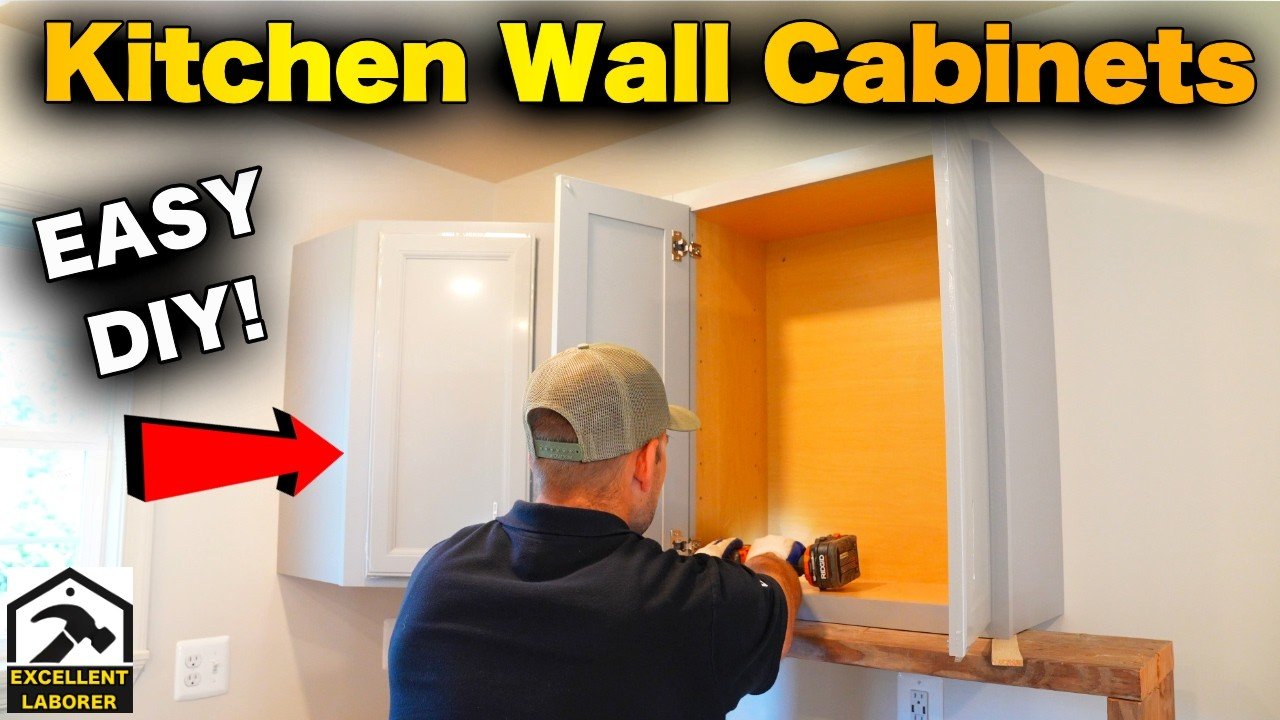
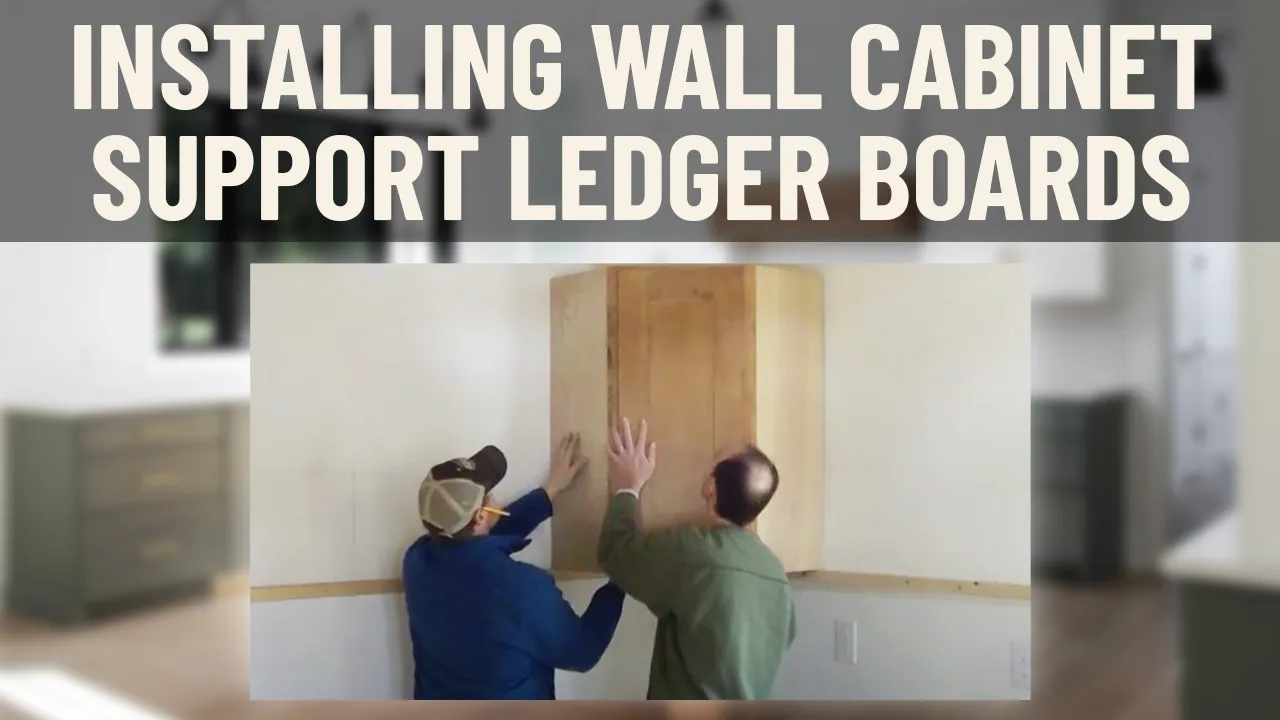
Start by lifting the cabinet carefully. It helps to have a second pair of hands—balancing a heavy cabinet alone can lead to mistakes or injury.
Hold the cabinet against the wall, aligning it with the marks you made earlier for height and stud placement. Double-check that it is level using a spirit level; even a slight tilt can cause doors to swing open or items to slide inside.
Ask yourself: Is the cabinet easily reachable and does it fit comfortably in your space? Adjust if needed before moving on.
Securing With Screws
Once the cabinet is positioned, secure it by driving screws through the back panel into the wall studs. Use screws long enough (at least 2.5 inches) to grip solid wood behind drywall.
Place screws near the cabinet’s top and bottom edges and at least every 16 inches along the studs. This distributes the weight evenly and prevents sagging.
- Use a drill with a screwdriver bit to avoid stripping screw heads.
- Pre-drill holes if your cabinet back is thick to prevent wood splitting.
- Check the cabinet’s stability by gently shaking it after each screw.
Have you ever mounted something only to find it loose after a few weeks? Taking these extra steps ensures your cabinet stays firmly in place for years to come.
Aligning And Leveling
Aligning and leveling a wall cabinet ensures it looks good and functions well. A cabinet that is not level can cause doors to swing open or close by themselves. It also risks damage to the cabinet and wall over time. Taking time to align and level properly makes installation easier and more durable.
Checking For Level
Start by placing a spirit level on the cabinet’s top edge. The bubble should be centered between the lines. Check both horizontal and vertical directions. Use a tape measure to confirm equal distances from the floor or ceiling. Mark the wall at these points for reference.
Look for any wall irregularities that may affect the cabinet’s fit. Use a stud finder to locate wall studs for secure anchoring. A level cabinet will sit flush against the wall without gaps or tilts.
Adjusting As Needed
Use shims to correct small gaps or uneven spots behind the cabinet. Insert shims until the cabinet sits perfectly level. Tighten screws slightly to hold the cabinet in place, then recheck the level.
Make small adjustments gradually. Over-tightening too soon can shift the cabinet out of alignment. Repeat the checking and adjusting process until the cabinet is stable and level.

Credit: www.create-enjoy.com
Final Touches
The final touches are essential to complete your wall cabinet installation. These steps ensure the cabinet looks polished and functions well. Focus on attaching the doors and hardware carefully. Then, perform a thorough cleaning and inspection. This makes the cabinet ready for everyday use.
Attaching Doors And Hardware
Start by aligning the cabinet doors with the frame. Use the hinges to fix each door firmly. Adjust the screws to make sure doors open smoothly. Attach the handles or knobs next. Choose hardware that matches your room style. Tighten all screws securely to avoid loose parts.
Cleaning And Inspection
Wipe down the entire cabinet surface with a soft cloth. Remove dust, fingerprints, and any leftover debris. Check all screws and hinges for tightness. Open and close doors several times to test movement. Look for any scratches or dents and fix them if needed. This step ensures your cabinet looks new and lasts longer.
Frequently Asked Questions
How Do I Find Studs For Wall Cabinet Installation?
Use a stud finder to locate studs behind drywall. Mark stud positions with a pencil for secure cabinet mounting. Studs ensure the cabinet is firmly anchored and supports its weight safely.
What Tools Are Needed To Install A Wall Cabinet?
You need a drill, level, stud finder, screws, screwdriver, measuring tape, and pencil. These tools help ensure accurate, secure, and level cabinet installation on your wall.
How High Should I Install A Wall Cabinet?
Standard height is 54 inches from the floor to the cabinet bottom. Adjust height based on user reach and countertop space for optimal convenience and appearance.
Can I Install Wall Cabinets On Drywall Alone?
No, drywall alone cannot support cabinet weight. Always mount cabinets directly into wall studs for safety and stability.
Conclusion
Installing wall cabinets is simple with the right steps. First, gather all necessary tools. Next, measure and mark your wall accurately. Secure the cabinets using appropriate hardware. Check alignment as you work. This ensures a professional finish. Don’t rush. Take your time for each step.
Wall cabinets can transform any space. They offer great storage solutions. Following these steps makes installation easy. You’ll enjoy the new look and functionality. Remember, practice makes perfect. Enjoy your newly installed cabinets. Happy organizing!