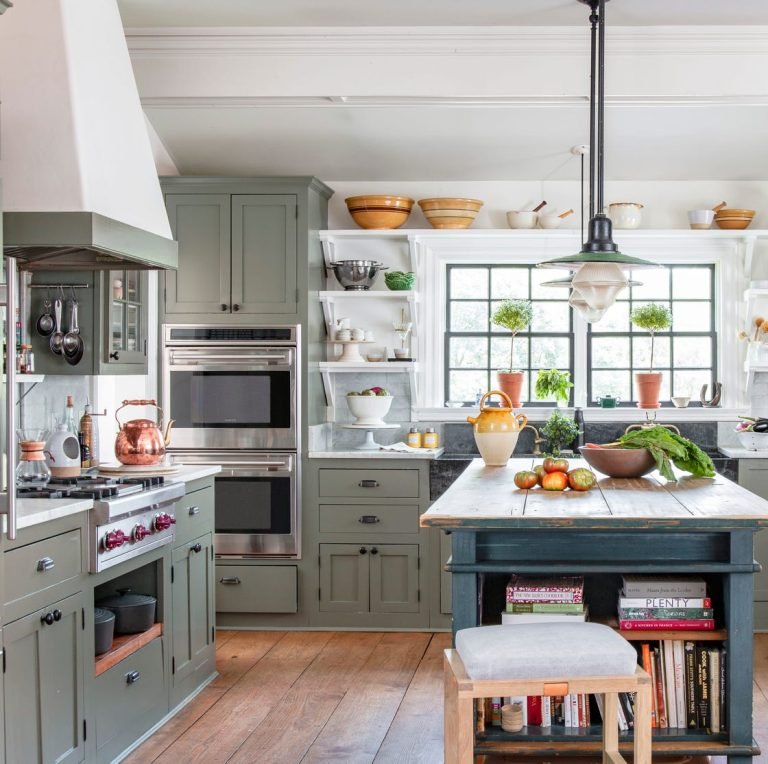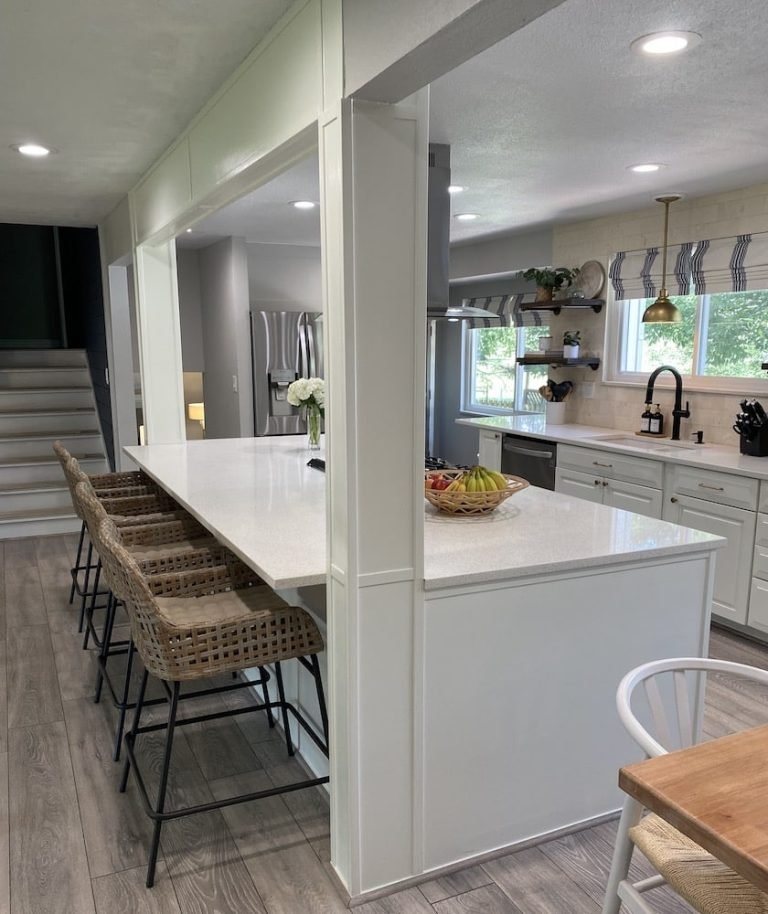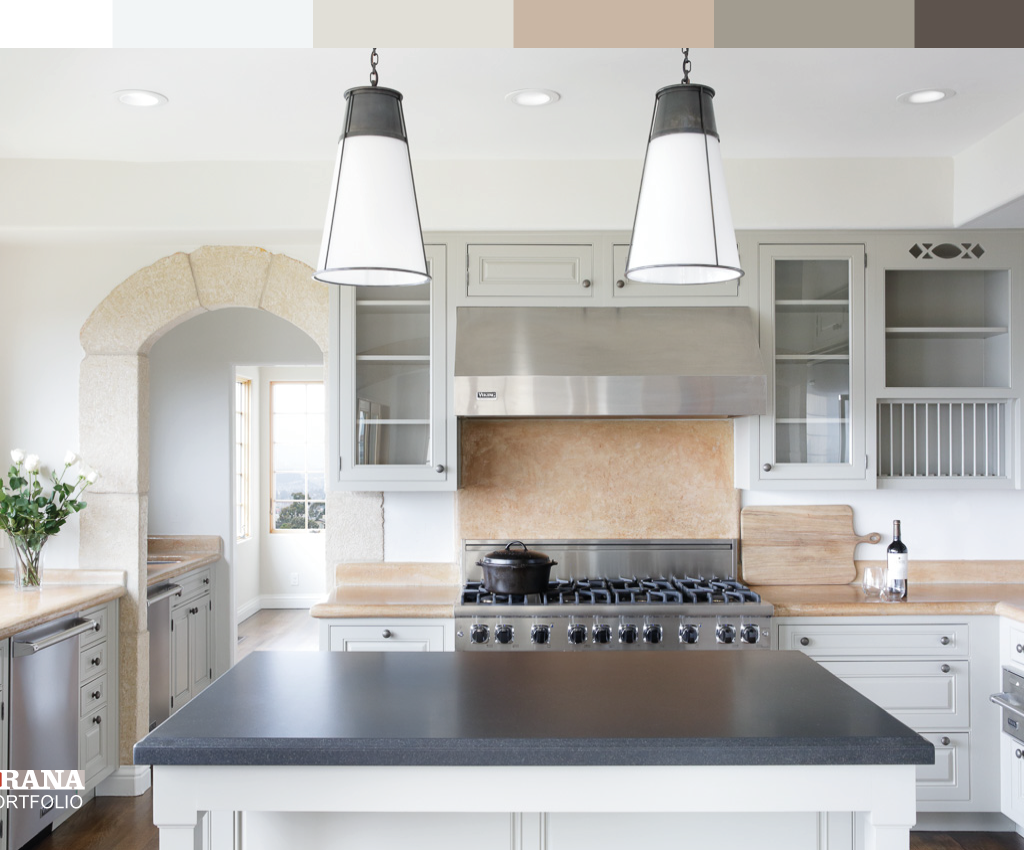
What Shade of White is Best for Kitchen Walls: Expert Picks
Choosing the perfect shade of white for your kitchen walls can feel surprisingly tricky. You might think white is just white, but the truth is, each shade can change the entire mood and look of your space.
Are you aiming for a bright, clean feel or a warm, cozy vibe? The right white can make your kitchen look bigger, brighter, and more inviting—or leave it feeling cold and dull. You’ll discover which shades of white work best for different kitchen styles and lighting.
By the end, you’ll know exactly how to pick the perfect white that fits your taste and makes your kitchen truly shine. Keep reading to transform your kitchen with the power of the right white!
Choosing White For Kitchen Walls
Choosing white for kitchen walls creates a fresh and timeless look. White shades brighten the space, making kitchens feel larger and cleaner. This color pairs well with many styles and materials. It offers a neutral backdrop that highlights cabinets, countertops, and decor. Picking the right shade of white is key to achieving the desired mood and look.
Why White Works In Kitchens
White reflects light, which makes kitchens appear more open. It hides less dirt than darker colors but shows cleanliness easily. This helps keep the kitchen looking fresh. White walls also match any cabinet color or appliance. They create a simple and calm feeling. White encourages a sense of order and neatness in busy kitchen spaces.
Impact Of Lighting On White Shades
Lighting changes how white paint looks on walls. Natural light makes white appear bright and warm. Artificial light can add cool or yellow tones. Different bulbs affect white’s true color. Consider the kitchen’s lighting type before choosing a white shade.
- Warm light works well with creamy whites.
- Cool light suits crisp, pure whites.
- Dim lighting may make white look dull or gray.
Test paint samples in the kitchen at different times. This helps pick the white that fits best with your lighting. Correct lighting and white shade create a welcoming kitchen space.
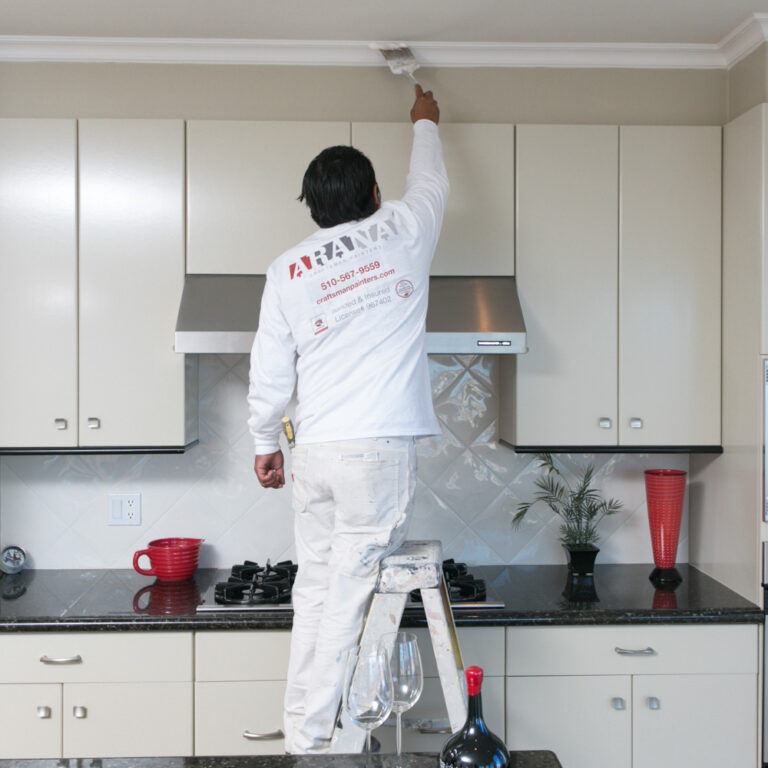
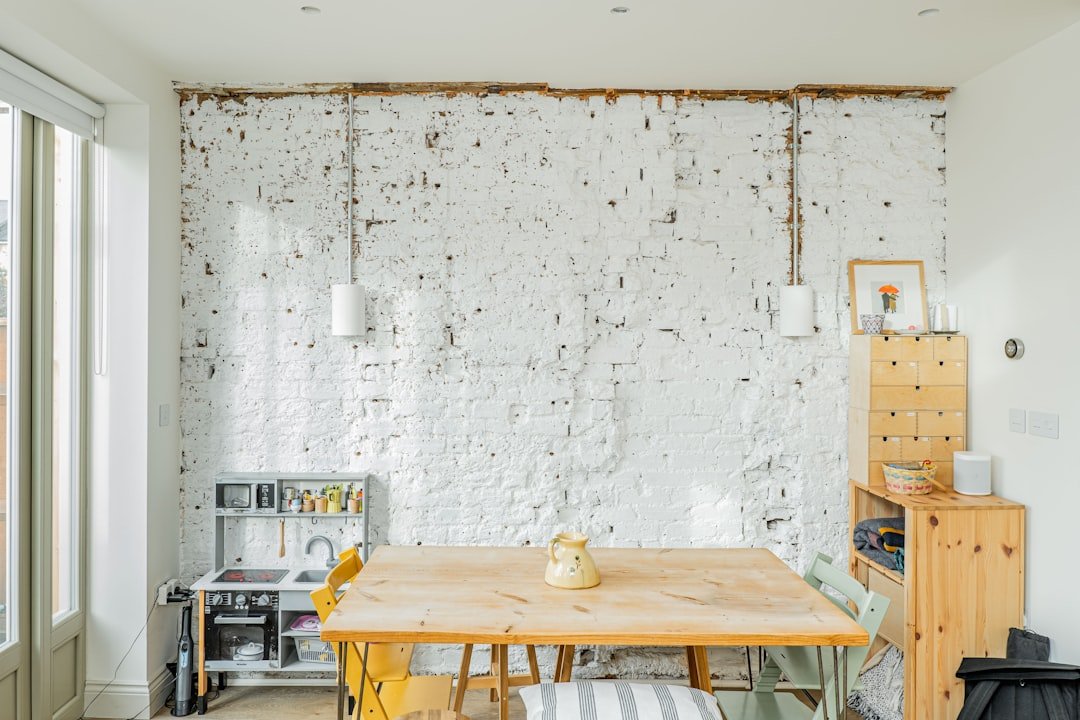
Credit: www.craftsmanpainters.com
Warm Whites For Cozy Kitchens
Choosing warm white for your kitchen walls creates a welcoming and comfortable atmosphere. These shades add a gentle glow that invites you to linger longer, whether you’re cooking or chatting with family. Warm whites balance brightness without feeling stark, making your kitchen truly cozy.
Popular Warm White Shades
Some warm whites stand out because of their subtle undertones, which make a big difference in mood.
- Benjamin Moore’s White Dove:Soft and creamy, it’s perfect if you want warmth without yellow overpowering.
- Sherwin-Williams Alabaster:A favorite for its gentle warmth and versatility across different lighting conditions.
- Behr Swiss Coffee:Slightly richer, this shade offers a cozy feel with a hint of beige.
- Farrow & Ball Slipper Satin:Adds a touch of warmth with a smooth, calming finish.
Have you noticed how the same white can look completely different depending on your kitchen’s lighting?
Pairing Warm Whites With Cabinetry
Warm whites work best when you consider the color and style of your cabinets. For example, creamy whites complement natural wood tones beautifully, enhancing the kitchen’s inviting feel.
If your cabinets are painted in cool greys or blues, a warmer white on the walls can balance the coolness and prevent the space from feeling cold or clinical.
Thinking about contrast? Warm white walls can make darker cabinetry pop, creating a balanced and stylish look without overwhelming the senses.
What kind of mood do you want to set in your kitchen — soft and peaceful or vibrant and energetic? Your choice of warm white can help you get there.
Cool Whites For Modern Spaces
Cool whites bring a fresh, clean look to modern kitchens. They create a bright and airy atmosphere that suits sleek designs. These whites often have blue or gray undertones. This tone helps the space feel calm and open. Cool whites also pair well with stainless steel and glass. They enhance minimalist and contemporary styles beautifully.
Top Cool White Options
- Benjamin Moore Chantilly Lace – A crisp, bright white with subtle cool hints.
- Sherwin-Williams Extra White – A pure white that feels fresh and modern.
- Behr Polar Bear – A soft white with slight blue undertones for a cool effect.
- Farrow & Ball All White – Clean white with no strong warm or cool bias.
- Valspar Icicle – A pale white with a crisp, cool touch.
Creating Contrast With Cool Whites
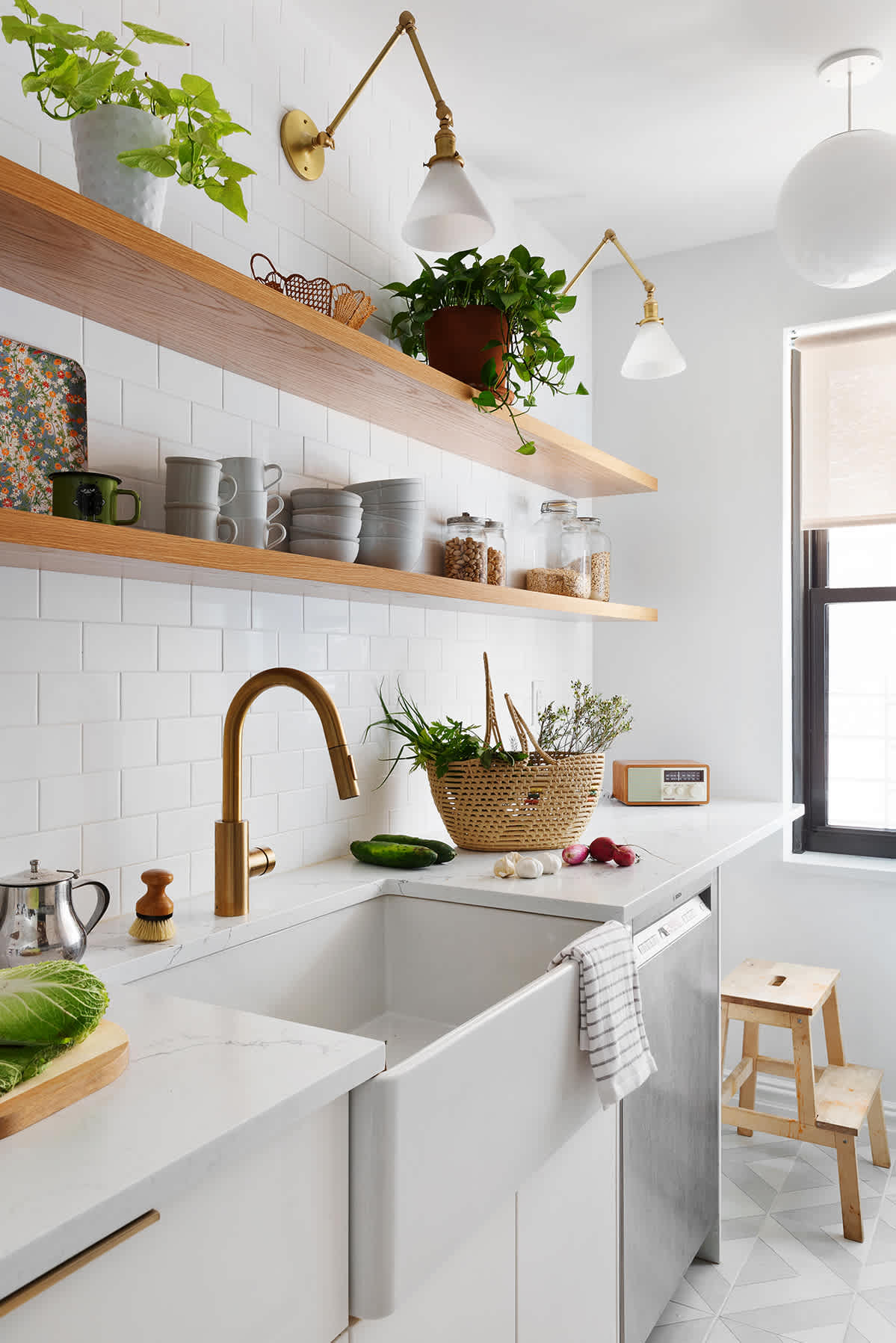
Cool whites stand out best when paired with darker colors. Use charcoal gray or navy blue for cabinets or countertops. These colors add depth and interest to the kitchen. Stainless steel appliances blend naturally with cool white walls. Matte black fixtures also create sharp, stylish contrasts. Contrast keeps the room from looking too plain or sterile.
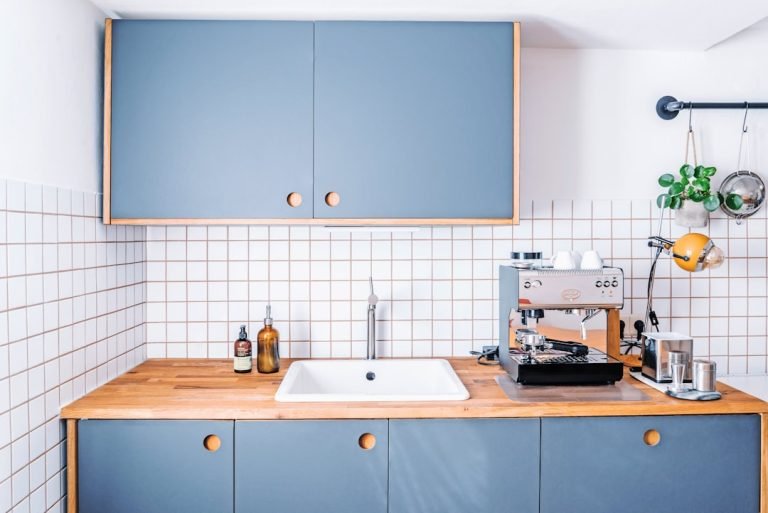
Credit: www.apartmenttherapy.com
Off-whites And Creams
Choosing the right shade of white for your kitchen walls can change the entire mood of the space. Off-whites and creams offer a warm, inviting alternative to the starkness of pure white. They bring subtle depth and character without overpowering the room.
Soft Alternatives To Pure White
Off-whites are gentle shades that lean slightly towards beige, gray, or yellow. They soften the look of your kitchen, making it feel cozy rather than cold. Shades like ivory, eggshell, and pearl add a touch of warmth while keeping the space bright.
Think about the natural light your kitchen gets. Cooler off-whites work well in south-facing rooms with plenty of sunlight, while warmer creams suit north-facing kitchens that need a little extra glow. Would you prefer a shade that hides smudges better? Off-whites often do, making maintenance easier.
Benefits Of Creamy Hues
Creamy hues create a timeless, elegant atmosphere that pairs well with almost any kitchen style. They complement wood tones beautifully and highlight colorful backsplashes or cabinetry without competing for attention.
These shades can also make your kitchen feel larger and more open without the harshness of pure white walls. If you enjoy cooking in a space that feels warm and welcoming, creams might be your best choice.
Have you noticed how creamy walls often encourage lingering and socializing? Their softness invites comfort, turning your kitchen into more than just a workspace. Could this subtle shift in color transform your daily routine?
Factors Influencing White Choice
Choosing the right shade of white for kitchen walls involves more than just picking a color. Various factors affect how white paint looks and feels in the space. Understanding these elements helps create a balanced, inviting kitchen.
Kitchen Size And Layout
Small kitchens benefit from brighter, cooler whites. These make the space feel larger and more open. Bigger kitchens can handle warmer or softer whites, adding coziness without shrinking the room. The layout also matters. Open floor plans need white shades that blend with other areas. Compact layouts require whites that enhance light and avoid feeling cramped.
Natural Vs Artificial Light
Natural light changes throughout the day, affecting white paint’s appearance. North-facing kitchens get cooler, dimmer light, so warm whites work well. South-facing rooms have bright, warm light, making cooler whites a better match. Artificial light can alter white tones too. Warm bulbs bring out yellow or cream hues. Cool bulbs highlight blue or gray tones. Testing paint samples at different times helps find the best fit.
Existing Fixtures And Appliances
The color of cabinets, countertops, and appliances influences the white shade choice. Stainless steel pairs well with cool or neutral whites. Wooden fixtures look great with warm whites that highlight natural tones. White appliances may blend better with soft whites to avoid stark contrast. Matching or complementing these elements creates a harmonious kitchen design.

Credit: www.greenbayremodeling.com
Expert Recommendations
Choosing the right shade of white for your kitchen walls can feel overwhelming. Experts recommend focusing on quality paint brands and thorough testing before committing. These steps help you avoid common pitfalls like colors that look great in the store but clash with your kitchen’s lighting and cabinetry.
Top Brands And Paint Lines
Not all white paints are created equal. Some brands offer whites with subtle undertones that can either warm up or cool down your kitchen space.
- Benjamin Moore:Their “Chantilly Lace” (OC-65) is a crisp, clean white, perfect if you want a bright and fresh look.
- Sherwin-Williams:“Alabaster” (SW 7008) is a popular warm white that adds softness without feeling yellow.
- Farrow & Ball:“All White” is a pure white with no added pigments, ideal for a minimalist or modern kitchen.
- Behr:“Ultra Pure White” is a strong, bright white that works well in kitchens with lots of natural light.
These brands also provide paint lines designed specifically for kitchens, offering durability and easy cleaning. Look for finishes like satin or semi-gloss to handle kitchen moisture and stains better.
Tips For Testing White Paints
Testing is the key to finding the perfect white. Paint large swatches on different walls to see how the color changes throughout the day.
- Observe the paint at various times—morning, afternoon, and under artificial light.
- Check how the white interacts with your countertops, cabinets, and flooring.
- Use a primer first to get a true sense of the paint’s color.
Have you ever picked a white that looked perfect in the store but turned out too cold or yellow at home? Testing prevents that frustration. Try taping several paint samples side by side to compare them directly in your kitchen environment.
Remember, the best white for your kitchen walls depends on your lighting, style, and the atmosphere you want to create. Taking the time to test and choose wisely pays off in a kitchen that feels just right every day.
Frequently Asked Questions
What Are The Best White Shades For Kitchen Walls?
Best white shades include warm whites like Alabaster, cool whites like Chantilly Lace, and creamy whites like Simply White. Choose based on your kitchen’s lighting and style for a bright, inviting look.
How To Choose White Paint For Kitchen Walls?
Consider natural light, cabinet colors, and overall style. Warm whites work well with wood tones, while cool whites match modern kitchens. Test samples before finalizing to see how the shade looks throughout the day.
Does White Paint Make Kitchens Look Bigger?
Yes, white paint reflects light and creates an illusion of space. It brightens the room and makes kitchens appear larger and cleaner, perfect for small or dark kitchens.
Can White Kitchen Walls Show Stains Easily?
White walls can show stains more clearly, especially in busy kitchens. Choose washable, semi-gloss finishes to make cleaning easier and maintain a fresh appearance.
Conclusion
Choosing the right white for kitchen walls makes a big difference. It affects the room’s mood and feel. Crisp whites create a clean, modern look. Warmer whites bring a cozy and welcoming atmosphere. Consider your kitchen’s lighting. Natural light changes how colors appear.
Sample different shades on your walls. Observe how they look at various times of the day. Trust your instincts. What feels right to you is best. Your kitchen should reflect your style and comfort. The perfect shade of white enhances your kitchen’s beauty and functionality.