

Imagine holding a piece of history in your hands—a 1935 Mickey Mouse lunch box that brings back the magic of childhood. If you love vintage collectibles or are a Disney fan, this lunch box is more than just a container; it’s a treasure filled with stories and nostalgia.
You’ll discover why the 1935 Mickey Mouse lunch box is so special, how it became a beloved icon, and what makes it a must-have for your collection. Ready to explore the charm behind this classic piece? Keep reading—you won’t want to miss it.
History Of The 1935 Mickey Mouse Lunch Box
The 1935 Mickey Mouse lunch box holds a special place in both Disney history and collectible culture. It represents one of the earliest examples of character merchandising that combined practical use with the charm of Mickey Mouse. Understanding its history helps you appreciate why it remains a sought-after item today.
Origins And Design
The lunch box was introduced in 1935, shortly after Mickey Mouse skyrocketed to fame. Its design featured a vibrant image of Mickey, capturing his playful spirit. The box itself was made of metal, which was unusual compared to the typical wooden or cloth lunch containers of the time.
What makes the design stand out is its bright colors and detailed artwork. The front showed Mickey in his classic pose, which instantly attracted children and parents alike. This lunch box was not just a container but a piece of art that kids wanted to carry every day.
Disney’s Early Merchandise
The 1935 lunch box was among Disney’s first ventures into merchandise tied directly to its characters. Before this, Disney’s revenue came mostly from films and shorts. This product showed that Disney could extend its brand beyond the screen.
It was a smart move. Disney realized that fans wanted to own a piece of Mickey’s magic in their daily lives. The lunch box became a symbol of this strategy, paving the way for countless other merchandise items over the decades.
Manufacturing Details
The lunch box was produced by the American Thermos Company, known for its quality metal containers. The use of tinplate made the box durable and lightweight, perfect for kids to carry to school.
The manufacturing process involved lithography, which allowed detailed and colorful images to be printed directly onto the metal. This technique ensured that Mickey’s image remained sharp and vibrant, even after repeated use.
Have you ever thought about how the combination of quality materials and design can affect a product’s longevity? This lunch box is a clear example of how attention to manufacturing details can turn a simple item into a timeless collectible.

Credit: www.liveauctioneers.com
Design Features And Artwork
The 1935 Mickey Mouse lunch box stands out for its charming design and artwork. Each element reflects the era’s style and Disney’s early animation charm. The lunch box is a piece of nostalgia that captures Mickey Mouse’s playful spirit. Its design features are simple yet effective in drawing attention and delighting fans.
Iconic Mickey Mouse Imagery
The lunch box showcases Mickey Mouse in his classic form. This early design shows Mickey with large eyes and a cheerful smile. His gloves and shoes add to the character’s instantly recognizable look. The image captures Mickey’s friendly and adventurous personality. It invites children to enjoy their meals with a beloved cartoon friend.
Materials And Build Quality
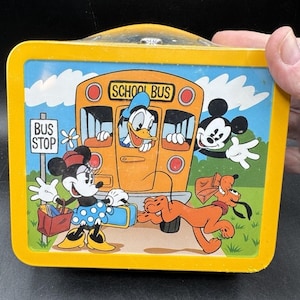
Made from sturdy tin, the lunch box was built to last. The metal surface protects the artwork and the contents inside. The handle is strong and comfortable to hold. The box’s metal latch secures the lid tightly. This combination of materials made it practical for daily use by kids.
Color Palette And Graphics
The lunch box uses bright colors to grab attention. Red, yellow, and black dominate the design. These colors highlight Mickey and make him stand out. The graphics are simple but bold, fitting the 1930s style. The painted details remain vivid, even after years of use. This color scheme adds to the box’s cheerful appeal.
Collectibility And Rarity
The 1935 Mickey Mouse Lunch Box holds a special place in vintage collectibles. Its charm and age make it highly sought after by collectors. The lunch box’s rarity adds to its value. Few have survived in good condition over the decades.
Collectors prize these lunch boxes for their nostalgic appeal and historical significance. The more rare and well-preserved the item, the higher its worth in the market.
Production Numbers And Survivability
Exact production numbers are unclear, but estimates suggest thousands were made. Many lunch boxes were used daily, leading to wear and tear. Few have remained intact after nearly 90 years.
Survivability depends on storage conditions and handling. Rust, dents, and fading reduce value. Lunch boxes kept indoors and away from moisture survive best.
Factors Affecting Value
- Condition: Mint or near-mint items fetch top prices.
- Original paint and graphics improve desirability.
- Complete parts, including handles and clasps, increase value.
- Provenance or history can add collector interest.
- Market demand fluctuates but remains strong for rare models.
Common Variations And Models
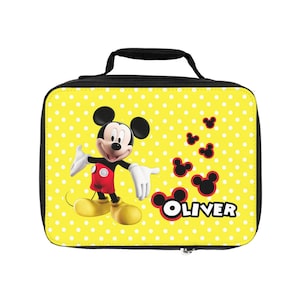
The 1935 Mickey Mouse lunch box has several known versions. Variations include differences in color shades and handle design. Some feature different character poses or logos.
Collectors seek rare models with unique features. Identifying these variations helps in assessing value and rarity accurately.
Credit: www.etsy.com
Caring For Vintage Lunch Boxes
Caring for vintage lunch boxes like the 1935 Mickey Mouse Lunch Box requires special attention. These collectibles hold sentimental and monetary value. Proper care helps keep their colors bright and metal parts rust-free. It also preserves their overall condition for years.
Understanding how to clean, store, and protect these lunch boxes is important. Small steps make a big difference in maintaining their charm and quality. Follow these simple tips to keep your vintage lunch box looking great.
Cleaning And Preservation Tips
- Use a soft cloth or sponge with mild soap and water.
- Wipe gently to avoid scratching paint or designs.
- Dry thoroughly with a clean, dry cloth to prevent rust.
- Avoid harsh chemicals or abrasive cleaners that damage surfaces.
- Use a small brush for corners and crevices.
- Apply a thin layer of clear wax for metal protection.
Storage Recommendations
- Keep lunch boxes in a cool, dry place away from direct sunlight.
- Store upright on shelves to avoid dents or warping.
- Use acid-free tissue paper inside to maintain shape.
- Avoid stacking heavy items on top to prevent damage.
- Keep away from damp areas to stop rust and mold.
Avoiding Damage And Wear
- Handle with clean, dry hands to prevent stains and corrosion.
- Limit opening and closing to avoid weakening the hinges.
- Do not expose to extreme temperatures or humidity changes.
- Keep away from sharp objects that can scratch the surface.
- Check regularly for any signs of wear or rust.
- Address minor damages early to stop further deterioration.
Market Trends And Auction Records
The market for vintage collectibles like the 1935 Mickey Mouse Lunch Box has grown steadily, reflecting a blend of nostalgia and investment potential. Tracking auction records offers valuable insight into how much collectors are willing to pay. Understanding these trends can help you make smarter buying or selling decisions.
Recent Sale Prices
Recent auction results show that well-preserved 1935 Mickey Mouse Lunch Boxes often fetch between $5,000 and $15,000. Condition plays a huge role; boxes with original paint and minimal rust sell for the highest prices. Even small details like intact handles or graphics can add several thousand dollars to the value.
Have you noticed how some auctions surprise everyone with a sale price far above estimates? These instances reveal the passion collectors have for rare items, especially Disney memorabilia.
Notable Auctions
Major auction houses like Heritage Auctions and Sotheby’s have featured the 1935 Mickey Mouse Lunch Box in their vintage toy sales. A recent Sotheby’s event saw a mint-condition box sell for $18,500, setting a new record. Heritage Auctions often attracts serious collectors, making their sales a reliable indicator of market demand.
One auction in 2023 included a box with original packaging, which nearly doubled the expected price. This shows how provenance and packaging can dramatically affect value.
Where To Buy Or Sell
- Auction Houses:Heritage Auctions, Sotheby’s, and Bonhams provide trusted platforms with access to high-end buyers.
- Online Marketplaces:eBay and Etsy offer more frequent listings, but prices can vary widely depending on seller expertise.
- Specialty Collectors’ Shows:Events like the Chicago Toy Show bring together enthusiasts who often trade or sell rare lunch boxes directly.
Before selling, research recent auction results to set a realistic price. If you’re buying, inspect photos closely and ask for detailed condition reports. Would you rather pay a premium for certified authenticity, or take a chance on an unverified listing?
Credit: www.etsy.com
Legacy And Cultural Impact
The 1935 Mickey Mouse Lunch Box holds a special place not just as a collectible item but as a symbol of a broader cultural phenomenon. Its legacy goes beyond being a simple container for lunch; it captures a moment in time when Disney characters began to embed themselves deeply into everyday life. Understanding its impact helps you see how a small object can influence generations and shape cultural trends.
Role In Disney Memorabilia
This lunch box is a cornerstone in the world of Disney collectibles. It was one of the first items to feature Mickey Mouse prominently, making it highly sought after by collectors today. Owning one connects you directly to the early days of Disney merchandising, showing how characters moved from the screen into people’s daily routines.
Collectors value it not only for its rarity but for the story it tells about the evolution of Disney’s brand. Have you ever thought about how a simple lunch box could tell such a rich story about pop culture?
Influence On Later Lunch Box Designs
The design of the 1935 Mickey Mouse Lunch Box set a standard that many future lunch boxes followed. Its bright colors, character imagery, and durable metal construction became a template. Later lunch boxes featuring various characters owe much of their look and feel to this early model.
This lunch box showed manufacturers the power of combining function with beloved characters to create products that kids wanted to use every day. If you’ve ever picked a lunch box based on your favorite character, you’re part of this design legacy.
Connection To Mickey Mouse’s Popularity
This lunch box reflects how Mickey Mouse became more than just a cartoon figure; he became a cultural icon. In 1935, Mickey’s image on everyday items helped cement his place in American homes and hearts. It wasn’t just about entertainment; it was about identity and connection.
Think about how Mickey’s face on your lunch box might have made you feel special or part of a larger community. That emotional bond helped Disney grow into the powerhouse it is today.
Frequently Asked Questions
What Makes The 1935 Mickey Mouse Lunch Box Special?
The 1935 Mickey Mouse Lunch Box is iconic for its vintage design. It features early Mickey Mouse artwork, making it a rare collectible. Its nostalgic value appeals to Disney fans and collectors worldwide, symbolizing classic animation history and childhood memories.
How Rare Is The 1935 Mickey Mouse Lunch Box Today?
This lunch box is extremely rare due to limited production in 1935. Few original pieces survive, increasing its collectible value. Condition and authenticity greatly affect its rarity and price in the vintage market.
What Materials Were Used In The 1935 Mickey Mouse Lunch Box?
The lunch box was made primarily of metal with lithographed images. It included a metal handle and a hinged lid. These durable materials helped preserve the colorful Mickey Mouse artwork over decades.
How Much Is A 1935 Mickey Mouse Lunch Box Worth?
Its value varies based on condition, rarity, and demand. Pristine examples can fetch thousands of dollars at auctions. Collectors highly prize original and well-preserved items with minimal wear.
Conclusion
The 1935 Mickey Mouse lunch box shows classic charm and fun. It holds memories of childhood and old Disney magic. Collectors value it for its history and look. This lunch box tells a story of simpler times. It stays a favorite for fans of Mickey Mouse.
Owning one brings joy and a sense of nostalgia. A small piece of the past, still loved today.

Ethan Cole is a kitchen innovation enthusiast and food technology writer at DiningGadgets.com. With over 8 years of experience reviewing cookware, smart kitchen tools, and design trends, he helps readers discover gadgets that make cooking easier and dining more enjoyable. When he’s not testing the latest kitchen appliances, Ethan enjoys experimenting with recipes and sharing practical tips for modern homes.